

In the realm of gaming, visual artistry has always played a pivotal role in shaping player experiences adn immersing them in fantastical worlds. From the charming simplicity of 8-bit sprites that defined the early consoles to the breathtaking realism of 4K graphics that transport us into hyper-detailed realms, the evolution of game graphics mirrors the technological advancements and creative aspirations of each era. This journey through pixels and polygons not only highlights the innovations in rendering techniques and hardware capabilities but also reflects the changing tastes and aspirations of gamers around the globe.Join us as we explore this dynamic progression, celebrating the milestones that have redefined our visual encounters and laid the foundation for future innovations in the gaming universe.
The Dawn of Pixels: A Glimpse into 8-Bit Gaming Aesthetics
In the realm of gaming, the mesmerizing simplicity of 8-bit graphics marked the beginning of a digital revolution. During the 1980s, game designers were constrained by technological limitations, yet thay crafted vibrant and imaginative worlds that captured the hearts of players. This era, characterized by blocky characters and pixelated landscapes, unleashed creativity in unexpected ways. Developers fashioned intricate narratives, using minimalism to evoke emotion and draw players into their whimsical universe.The use of vivid colors, diagonal lines for motion, and sound effects created a memorable atmosphere that lingered in the minds of players long after the console was turned off.

The enduring legacy of 8-bit aesthetics can be seen in the myriad of indie games and retro-inspired titles that continue to thrive in today’s gaming landscape. The charm of pixel art lies in its ability to convey a sense of nostalgia while remaining relevant to contemporary audiences. Developers often embrace the aesthetics through various strategies, such as:
- Color Palettes: Utilizing limited color choices to create distinctive characters and environments.
- Chiptune Music: Harnessing simplistic soundtracks that resonate with the 8-bit vibe, often played on synthesizers.
- Gameplay Mechanics: Implementing straightforward,accessible gameplay that invites both seasoned gamers and newcomers.
To further explore the evolution from the genesis of pixels to today’s high-definition marvels, it’s crucial to acknowledge how these foundational design choices shaped the gaming industry as a whole.
The Transition to 16-Bit: Enhancements in Color and Detail
The leap to 16-bit graphics marked a significant milestone in the evolution of video games, as developers began to harness the power of improved color palettes and increased detail in their visual representations.This transition opened up a world of possibilities, allowing artists to create richer and more immersive environments. A 16-bit color depth provided a staggering array of 65,536 colors, compared to the meager 256 that defined its 8-bit predecessors. This expansion not only resulted in more vibrant and lifelike graphics but also offered game designers the capacity to depict complex gradients, intricate textures, and nuanced shading techniques, wich were almost impractical in earlier generations.
These advancements greatly influenced the overall gaming experience, leading to a notable enhancement in the emotional and narrative depth of games. As graphics became more detailed, developers began to experiment with sprites and background layers, adding depth and dimension that allowed for parallax scrolling effects. Players were treated to beautifully crafted worlds, infused with meticulously designed characters and animations that breathed life into digital landscapes. Moreover, the improved audio capabilities that accompanied 16-bit systems complemented these visual enhancements, creating a multi-sensory experience that captivated audiences and set the stage for the progression towards 32-bit and beyond.
The 3D Revolution: Shifting Perspectives in Game Graphics
The transition from 2D to 3D gaming altered the landscape of video game aesthetics forever, inviting players into a realm where immersion took precedence. This leap not only enriched visual fidelity but also expanded narrative possibilities.Once confined to pixelated sprites,game progress now offered artists the chance to construct fully realized worlds,populated with intricate polygons. The end of the 20th century witnessed groundbreaking titles like Doom and Quake, which served as catalysts, ushering in a new era of immersive experiences characterized by dynamic lighting, realistic textures, and a sense of depth that was previously unimaginable.

This revolution sparked a race among developers to push the boundaries even further. With advancements in hardware and software, game graphics became increasingly refined. Noteworthy breakthroughs included real-time rendering, bump mapping, and the advent of physically-based rendering (PBR), allowing for materials to react to light more realistically. Players could now traverse vast open-world landscapes, marvel at lush environments brimming with detail, and experience nuanced animations that breathed life into characters. The evolution didn’t stop there; it continues to propel gaming into the era of 4K resolutions and ray tracing, creating lifelike simulations that elevate storytelling and gameplay to an art form.
| Era | graphics Technology | Notable Games |
|---|---|---|
| 1980s | 2D sprites | Super Mario Bros., Pac-Man |
| 1990s | 3D polygons | Doom, Final Fantasy VII |
| 2000s | Shader Model 3.0 | half-life 2, Gears of War |
| 2010s | Physically-Based Rendering | The Witcher 3, Cyberpunk 2077 |
| 2020s | Ray Tracing and 4K | Control, Cyberpunk 2077 |
- Increased immersion: Players are now enveloped in breathtaking environments that enhance their experience.
- Dynamic storytelling: The cinematic quality of graphics allows for deeper narratives and character development.
- Technological advancements: Continued evolution in graphics technology paves the way for future innovations.
The Rise of Realism: Techniques in High-Definition and 4K
The advancement of gaming graphics has revolutionized the way players engage with virtual worlds,notably marked by the advent of realism through high-definition and 4K technology. This leap has allowed developers to craft detailed environments that mimic real life with astonishing accuracy. Central to this realism is the application of advanced techniques that enhance visual fidelity.Techniques such as ray tracing and ambient occlusion create dynamic lighting and realistic shadows, resulting in an immersive experience that highlights even the smallest details in a game landscape. Additionally, texture mapping and normal mapping play crucial roles in adding depth and dimensionality to surfaces, further bridging the gap between the game and reality.
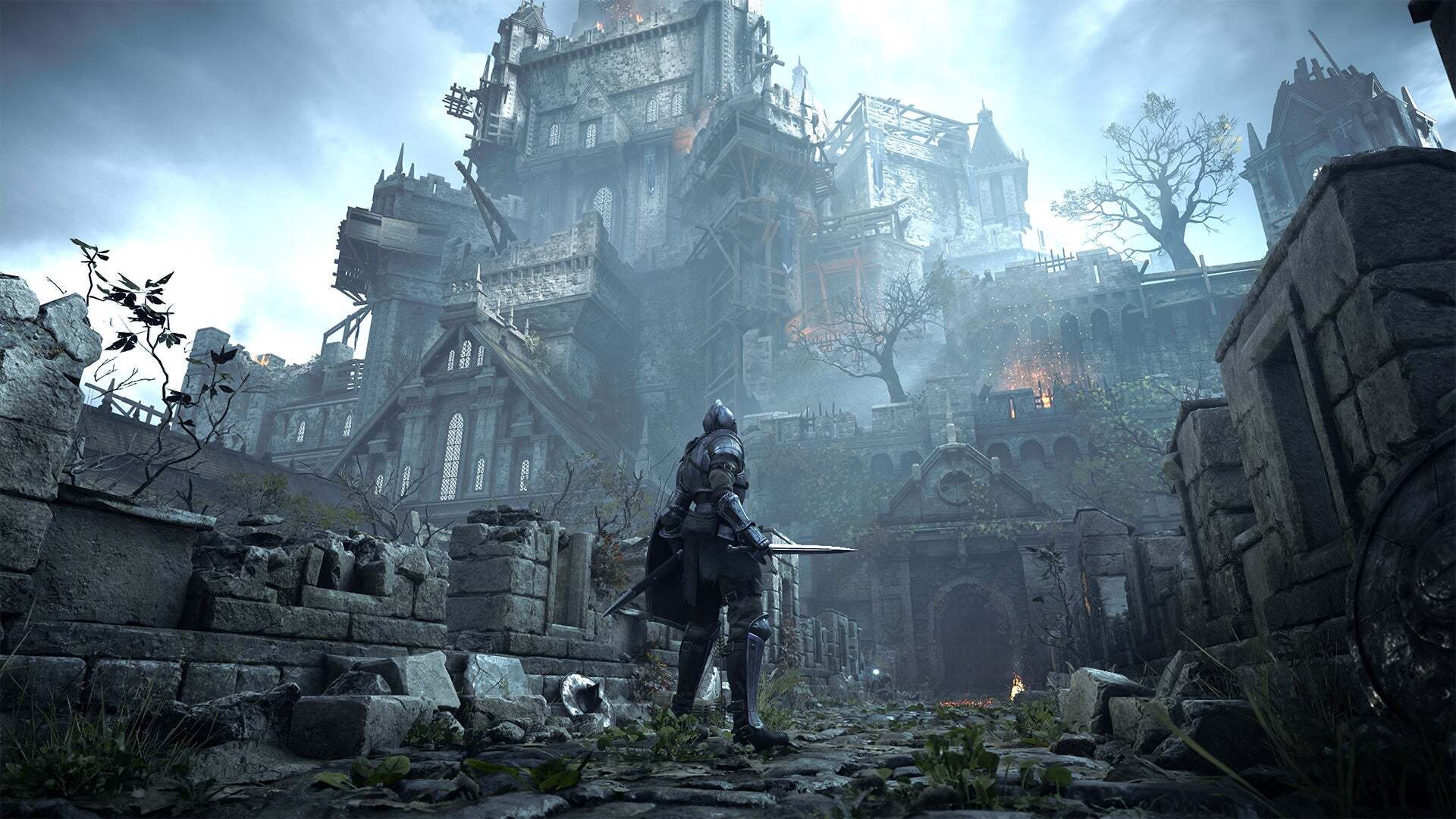
Another significant factor contributing to this surge of realism is the incorporation of photogrammetry, a technique that utilizes photographs of real-world objects to create 3D models with unprecedented detail. This approach not only enriches texture quality but also allows for authentic reproduction of environments, from sprawling urban landscapes to minute natural details.Moreover, the power of GPU technology cannot be overstated; thanks to cutting-edge graphics cards, developers can push the envelope even further. Consequently, gamers today can revel in graphics that are not just visually stunning but also capable of creating emotional depth through lifelike animations and intricate narratives, making virtual explorations an unforgettable experience.
Future Visions: Predictions and innovations in Game Graphics Technology
The trajectory of game graphics technology is poised for revolutionary advancements as we look toward the future. With the advent of ray tracing, we are witnessing a new standard of realism where light interactions create stunningly lifelike environments. Innovations such as AI-driven graphics enhancement are transforming existing games into visually compelling experiences by intelligently upscaling textures and enhancing frame rates. The integration of virtual reality (VR) and augmented reality (AR) technologies will further blur the lines between the digital and physical worlds, inviting gamers into immersive realms where graphics not only depict realities but also interact dynamically with players in real-time.
Emerging concepts like procedural generation are set to redefine how we perceive game worlds, enabling developers to create vast, unique landscapes that can evolve and change with player interaction. Coupled with advancements in cloud gaming, we can expect a shift in how graphics are rendered and streamed, making high-fidelity graphics more accessible irrespective of a player’s hardware capabilities.The continued growth of machine learning in animation and character design promises to deliver more nuanced and responsive environments and avatars,enriching storytelling and gameplay. The evolution of game graphics will not merely enhance aesthetics; it will fundamentally reshape how narratives are presented, experienced, and engaged with, putting players at the center of an ever-expanding universe of interactive artistry.
| Technology | Impact on Graphics | Future Potential |
|---|---|---|
| Ray Tracing | Realistic lighting and shadows | Enhanced immersion and detail |
| AI-Driven Enhancements | Upscaled textures and frame rates | Accessibility of high-quality visuals |
| Procedural Generation | Vast, unique environments | Infinite replayability |
| Virtual and Augmented Reality | Immersive interactive experiences | Blending of real and digital worlds |
| Machine Learning | Nuanced animation and responses | Dynamic storytelling opportunities |
in Retrospect
As we close the chapter on the evolution of game graphics from the humble beginnings of 8-bit pixels to the breathtaking clarity of 4K resolution, it becomes clear that this journey is about more than just visual fidelity. It’s a testament to the relentless pursuit of creativity and innovation that defines the gaming industry. Each leap in graphical technology not only reshapes the player’s experience but also pushes the boundaries of storytelling, art, and interactivity.
In an era where players frequently enough find themselves immersed in vividly detailed worlds,it’s easy to forget the 8-bit sprites that sparked our creativity and laid the groundwork for today’s masterpieces. The transition from simple, blocky characters to hyper-realistic environments reflects not just technological advancements but also the evolving expectations of a global gaming community.
Looking ahead, we can only wonder what astonishing visuals the future holds. Will we see even more immersive experiences with augmented and virtual reality? How will the next generation of consoles and gaming PCs redefine our understanding of ‘realism’? While the pixels may continue to evolve, what remains constant is our passion for play, our desire to connect, and the boundless possibilities that lie ahead.the pixels may have changed, but the heart of gaming—our love for adventure—remains timeless.