
In the vibrant tapestry of the gaming industry, where pixels and polygons blend into immersive worlds, the visual identity of a game stands as its most striking signature. From the surreal landscapes of indie gems to the polished aesthetics of blockbuster titles, the artistry behind each game not only captivates players but also tells a story without words.In this exploration of “Games with the Most Unique Visual identity,” we delve into the distinctive styles that have redefined conventional visuals and pushed the boundaries of creativity. Join us as we uncover the innovative designs, striking color palettes, and imaginative art directions that have set these games apart, creating unforgettable experiences that linger long after the final credits roll. Whether through bold abstraction or intricate realism, these titles showcase how the visual narrative is an essential pillar in the broader dialog of game design, inviting players into worlds where every frame is a work of art.
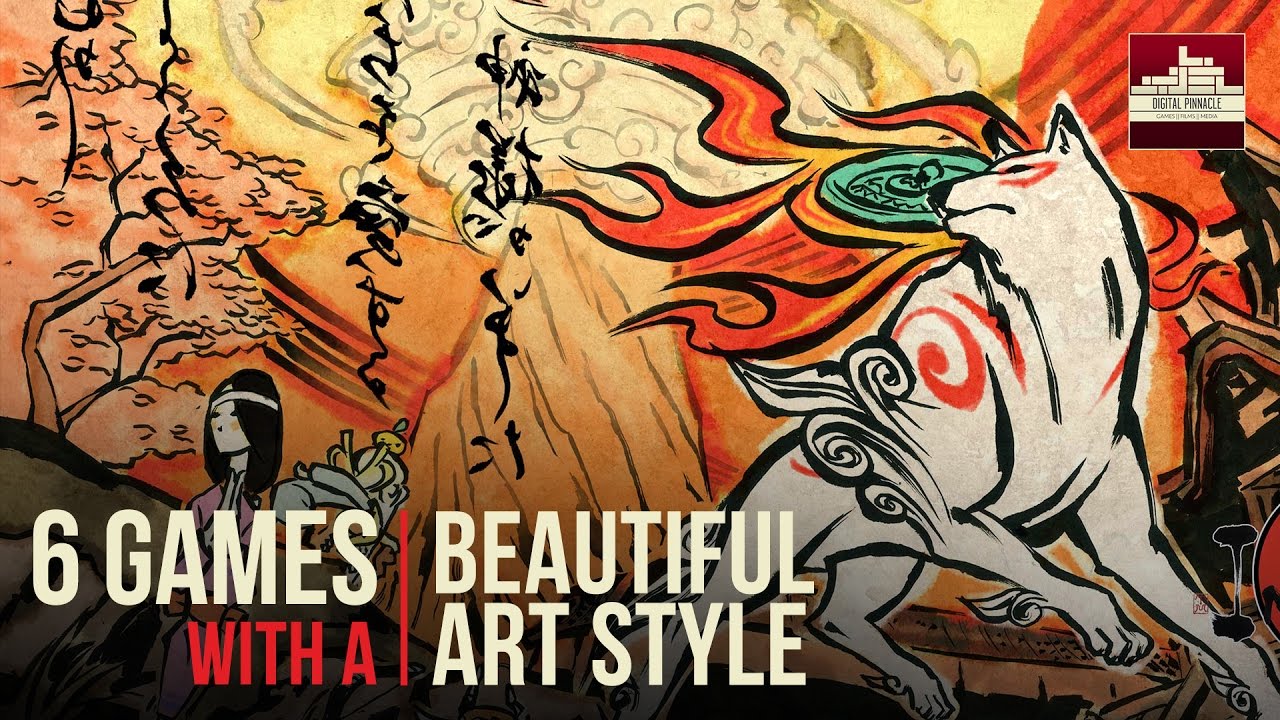
Exploring Artistic Innovation in Gaming Landscapes
The landscape of gaming has transformed remarkably over the years, with visual artistry reaching unprecedented heights. Developers are now crafting worlds that feel both immersive and ethereal, blending storytelling with unique artistic techniques. A few standout titles have showcased the potential of this synergy, demonstrating that visual identity in games is not merely an afterthought but a core component of gameplay and engagement.Here are some notable examples:
- Journey: An emotional odyssey, this game employs a minimalist aesthetic with vibrant colors, guiding players through vast deserts filled with subtle metaphors.
- Gris: With watercolor artistry and fluid animations, Gris presents an experience that feels like stepping into a living painting, with each level reflecting themes of loss and recovery.
- Firewatch: This first-person adventure game masterfully uses environmental storytelling, employing a striking color palette that echoes the beauty and isolation of the wyoming wilderness.
Beyond simply aesthetic choices, many games resonate deeply with their audience through innovative styles that foster an emotional connection. the integration of art and gameplay has spawned genres of their own, offering players experiences that challenge conventional narrative structures. Games such as:
| Game | Visual Style | Unique Element |
|---|---|---|
| Celeste | Pixel Art | Challenging platforming with a heartfelt narrative |
| Ori and the Blind Forest | Hand-painted Art | Dynamic storytelling through rich environments |
| The legend of Zelda: Breath of the Wild | Open World Cell Shading | Freedom of exploration in a vast, beautiful world |
With the ongoing evolution of technology and artistic trends, the future of gaming promises even more innovations that challenge our perceptions of visual storytelling. As players, we’re not just spectators consuming art; we become part of the artistic process, interacting with environments designed to evoke emotion and provoke thought. In this realm, every detail, color choice, and animation rhythm contributes to the larger narrative tapestry, making it vital for developers to invest in their artistic vision.
Unconventional Color Palettes That Captivate Players
When it comes to creating immersive gaming experiences, the visual identity of a game plays a critical role. unconventional color palettes can shift the player’s emotional response and enhance the overall narrative. A daring blend of vivid colors can evoke feelings of euphoria, while muted tones may evoke nostalgia or introspection. Games like Journey and Gris exemplify how choosing unexpected color combinations can transform simplicity into profound artistry. By utilizing colors in unconventional ways, developers can create a visually striking atmosphere that remains etched in the minds of players long after thay finish the game.
Some games take bold strides in their color choices to stand out in a crowded market. For instance, hyper Light Drifter utilizes a mix of bold pinks and cool blues, creating a contrast that feels both alien and familiar. similarly, The Witness employs a bright and serene palette, allowing players to feel a sense of peace amidst its puzzling challenges. Below is a quick overview of a few other games that exemplify unique color selections:
| Game Title | Color Palette Description | Player Emotional Response |
|---|---|---|
| Ni no Kuni II | Vibrant pastels with fairy tale hues | Joy and whimsy |
| Celeste | Rich blues and pinks, with minimalist tones | Tension and triumph |
| Outer Wilds | Muted autumn colors mixed with deep-space tones | Curiosity and wonder |
| Furi | Neon colors against dark backgrounds | Adrenaline and urgency |
Along with creating distinctive identities, these palettes can establish thematic connections and reinforce gameplay mechanics. A game like Dead Cells employs a variety of shades ranging from earthy greens to fiery reds,visually guiding players through the ever-changing landscape while simultaneously embracing a sense of danger. The careful selection of colors not only enhances the gaming environment but helps players navigate complex narratives. Innovative use of color transcends mere aesthetics; it becomes a core storytelling device that can immerse players in the intended mood and atmosphere.
Symbolism and Storytelling Through Visual Design
Visual design in games transcends mere aesthetics; it serves as a critical medium for storytelling and emotional engagement. By integrating symbolism into their visuals, designers can create a rich narrative experience. As an example, the use of color can convey mood and tone—shades of blue can evoke feelings of sadness or loneliness, while vibrant oranges and yellows can radiate warmth and happiness.Additionally, the choice of shapes plays a meaningful role in how players interpret the environment; sharp angles might suggest danger, whereas soft curves can impart a sense of safety. The layering of these elements results in a cohesive visual language that communicates the underlying themes, character development, and world-building without a single word being spoken. Such thoughtful design encourages players to decipher the symbolic visuals, deepening their engagement and connection to the story being told.
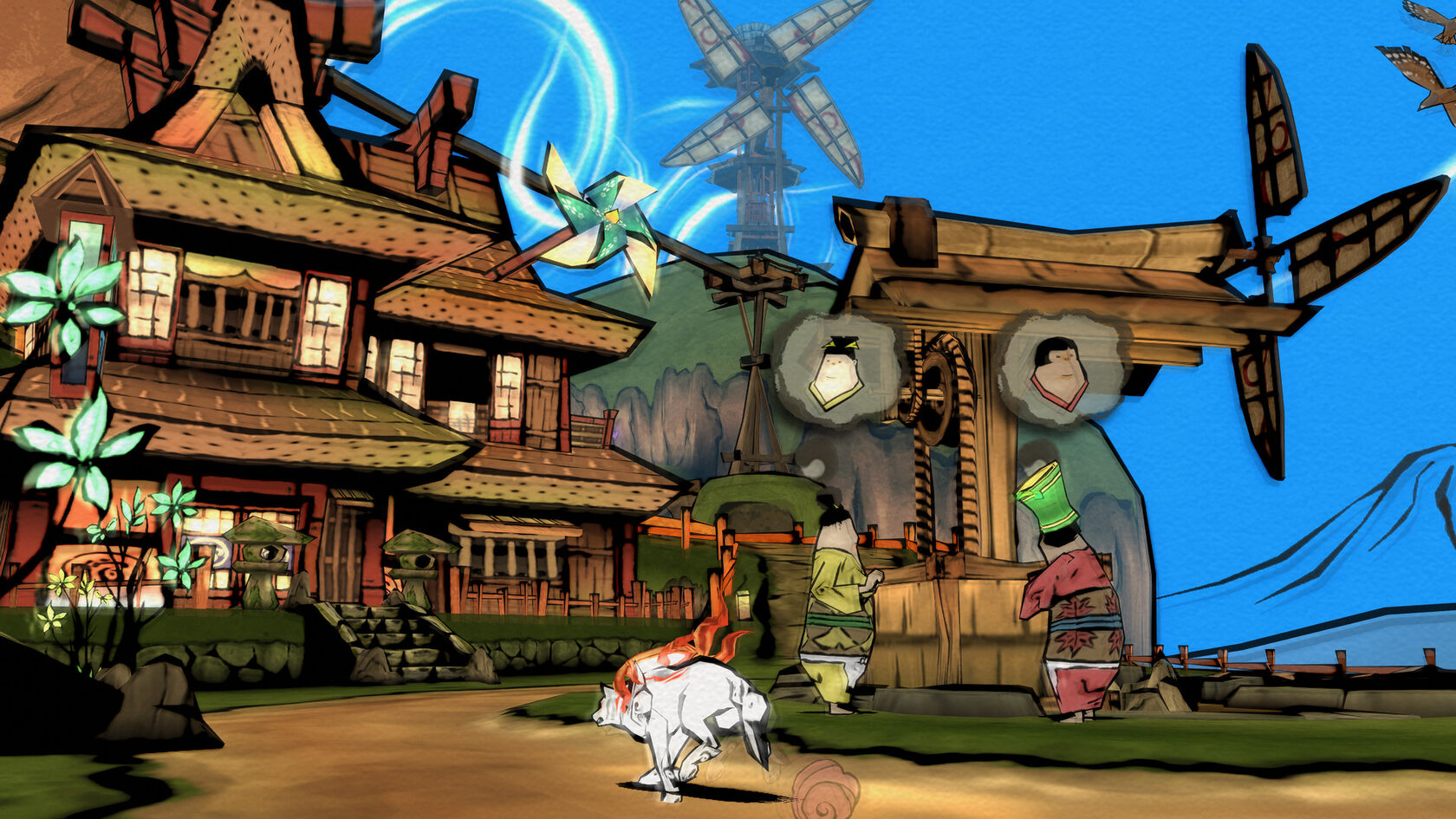
Moreover, the world itself can be designed to reflect the narrative arc and emotions of the characters. Unique environmental storytelling can be achieved by embedding objects and architecture that represent the character’s journey or hidden lore. For instance, meticulously placed relics might signify past events that shaped the current world, functioning as pieces of a greater puzzle for players to explore.To illustrate this, consider the following aspects that contribute to a game’s unique visual identity:
- Color Palette: Reflects the emotional tone and atmosphere.
- Geometric Shapes: Influences perception of safety or danger.
- symbolic Objects: Provides deeper insights into the lore and narrative.
- character Designs: Enhances connection and immersion through visual representation.
- World Architecture: Informs players of a story’s history and progression.
| Game Title | Visual Symbolism | Story Elements |
|---|---|---|
| Journey | Sandy landscapes representing isolation and discovery | A personal pilgrimage reflecting growth |
| Gris | Shifting color palettes representing emotional states | A narrative of grief and recovery |
| Celeste | Vertical landscapes symbolizing challenges to overcome | Struggles with mental health and perseverance |
| Hollow Knight | Dark and mysterious environments reflecting an ancient, forgotten world | Exploration of themes of loss and resilience |
Ultimately, games that harness the power of visual design elevate their storytelling to new heights, inviting players not just to engage but to actively participate in deciphering meaning and emotion. Each hue a storyteller, every shape a character in its own right, these games weave together threads of visual artistry and narrative depth that resonate long after the screen goes dark. As we see with titles like Journey, Gris, Celeste, and Hollow Knight, the melding of visuals and narrative constructs a unique identity that leaves an indelible mark on the player’s experience, fostering a lasting connection between them and the game world.
The Role of Animation Styles in Creating Memorable Worlds
Animation styles serve as the brushstrokes of digital worlds, painting experiences that linger in the hearts and minds of players.Each unique style—ranging from the flat and whimsical to hyper-realistic—crafts a narrative that is not only visually compelling but also emotionally resonant. Cel shading, as a notable example, combines classic cartoon aesthetics with modern techniques to create environments that feel both nostalgic and new. On the other hand, pixel art evokes a sense of retro charm, inviting players to delve into worlds reminiscent of the 8-bit and 16-bit eras. This nostalgic approach can connect with players on a deeper level,acting as a time capsule of their earlier gaming experiences. The varied animation methods allow developers to shape not merely the appearance of their games but the very essence of their narratives,immersing players in environments that reflect their thematic cores.
Moreover, distinct animation styles contribute significantly to the overall atmosphere and mood of a game. for instance, titles employing a hand-drawn aesthetic often transport players into fantastical realms, with deeply textured landscapes that feel like living illustrations. In contrast, minimalistic designs may evoke a sense of tranquility or existential contemplation, with their sparse visuals allowing players to focus on gameplay and story intricacies. To highlight these styles, consider the following examples:
| Game Title | Animation Style | Impression |
|---|---|---|
| Gris | Watercolor & Hand-Drawn | Emotional & Poignant |
| Cuphead | 1930s Cartoon Style | Nostalgic & Quirky |
| Journey | Minimalistic & Fluid | Serene & Profound |
| hyper Light Drifter | Pixel Art | Adventurous & engaging |
The transformative power of animation styles allows players not just to see worlds but to feel them. Stylization can elicit specific emotions, reinforcing the gameplay experience and creating a strong connection between the player and the narrative unfolding before them. The animation choices a developer makes are akin to a composer selecting instruments; each has the power to elevate the existing narrative layers,adding richness to the storytelling experience. By meticulously crafting their animation techniques, developers can create unique visual identities that stand as a hallmark of their creative vision, leaving an indelible mark on the gaming landscape.
Recommendations for Immersive Experiences Beyond the Norm
To truly immerse yourself in experiences that transcend conventional gaming, consider delving into realms where visual artistry meets innovative gameplay mechanics. Each of these titles offers a distinctive aesthetic that challenges the norm,encouraging players to explore stunning landscapes and reimagine the boundaries of creativity. For instance,games like GRIS transport players through a watercolor world that ebbs and flows like an emotional journey,while Journey invites exploration through a vast desert adorned with striking visuals that evoke a sense of solitude and discovery. The blending of art and gameplay crafts an unforgettably immersive experience, allowing players to engage with their surroundings in an emotionally resonant manner.
Along with the artistic journey, certain games draw upon unique mechanics that enhance their visual identity. Titles such as Mirage mesmerize players with optical illusions that challenge perception and spatial awareness, creating an experience that feels both puzzling and enlightening. Similarly, The Witness uses its breathtaking landscapes as a backdrop for intricate puzzles, where environmental storytelling fosters a deeper connection with the game world. These experiences not only push the boundaries of visual design but also invite players to interact with the game in ways that feel fresh and innovative.
| Game Title | Visual Style | Unique Mechanic |
|---|---|---|
| GRIS | Watercolor | Emotional Journey |
| Journey | Desert Aesthetics | Multiplayer Exploration |
| Mirage | Optical Illusions | Perception Challenges |
| The Witness | Mesmerizing Landscapes | Environmental Storytelling |
- Expand your horizons by exploring lesser-known indie titles that offer mind-blowing creative visuals.
- Engage with interactive installations that blur the lines between gaming and fine art, creating a multisensory experience.
- Participate in gaming conventions that highlight innovative artists and developers committed to enriching the visual landscape of gaming.
In Retrospect
As we wrap up our exploration of games that stand out with their unique visual identities,it becomes clear that the artistry behind each title transcends mere aesthetics. These games invite players into worlds meticulously crafted with originality, challenging our perceptions of what gaming visuals can be.from distinctive color palettes to innovative design choices,each game presents a fresh outlook,fostering emotional connections and unforgettable experiences.
In a medium often defined by its ability to immerse and engage,the visual identity of a game serves as the gateway to its narrative and gameplay. As developers continue to push boundaries, we can only anticipate the breathtaking artistry that lies ahead in the gaming landscape. So, whether you’re a seasoned player or a curious newcomer, remember to keep an eye out for those unique visuals that beckon you to explore beyond the screen and into worlds that redefine inventiveness. Happy gaming!