
In the realm of video games, few names evoke as much reverence and intrigue as Hidetaka Miyazaki. As the mastermind behind fromsoftware’s acclaimed titles, Miyazaki has transformed the gaming landscape, infusing it with a distinctive flavor of challenge and immersion that captivates players. From the haunting world of Demon’s Souls to the expansive vistas of elden Ring, his vision has not only redefined difficulty but has also sparked a broader dialog about the very essence of gameplay. As we delve into the evolution of challenge within Miyazaki’s works, we will explore how his unique design philosophy has shaped player experiences and set the stage for the future of FromSoftware. What lies ahead as gaming technology advances and player expectations evolve? Join us as we navigate the intricate tapestry of challenge, creativity, and innovation that defines Miyazaki’s legacy and the path forward for FromSoftware.
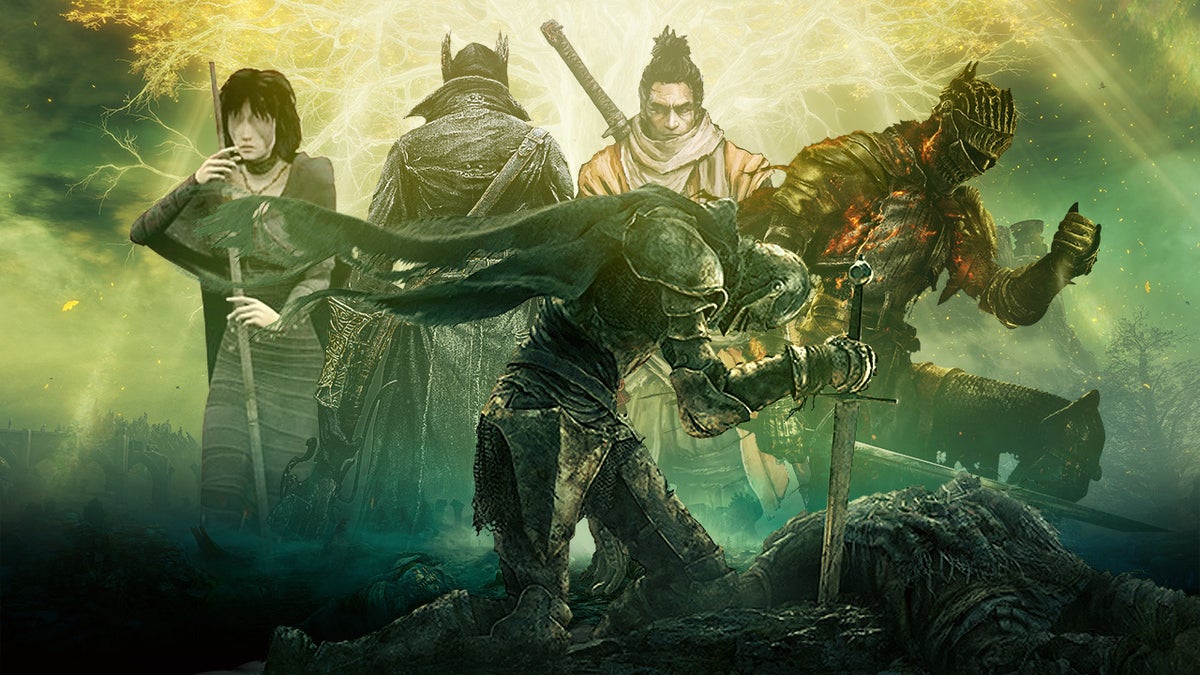
The Rise of Challenge in Gaming: Hidetaka Miyazaki’s Vision
Hidetaka Miyazaki’s approach to game design has profoundly transformed the landscape of challenge in video games. Rather than relying on traditional mechanics of difficulty, he has woven elements of intensity and emotion into the fabric of gameplay, creating a unique narrative experience. His games, most notably the dark Souls series, invite players to engage with difficulty in a way that feels both punishing and rewarding. This intricate balance is achieved through meticulous world design, where players stumble upon hidden paths and lore, leading to a sense of discovery that counters the hardship of relentless enemies and unforgiving environments.
Miyazaki’s vision extends beyond just challenging gameplay; it cultivates a profound player community that thrives on shared experiences and collective knowledge. In this context, the essence of challenge morphs into a social construct, where players exchange tips, develop multiplayer strategies, and forge friendships over mutual hardships. The elements that define this vision can be categorized as follows:
- Exploration: Open-world environments that reward curiosity.
- Progression: Systems of growth that feel personal and earned.
- Death Mechanics: Forgiving failure that emphasizes learning over frustration.
- Atmosphere: An immersive world filled with rich lore and unique adversaries.
| Element | Description |
|---|---|
| Challenge | Intricate mechanics that push player skills. |
| community | A shared experience fostering collaboration. |
| Curiosity | Encouraging exploration through hidden secrets. |
From Punishment to Growth: Understanding Challenge in Dark Souls
The world of Dark Souls is a masterclass in adversity,portraying difficulty not merely as a path of punishment but as a crucible for personal growth. Players dive into a rich tapestry of lore, with each death serving a dual purpose: a lesson in failure and an possibility for skill refinement. The intentional design choices reflect this philosophy; enemies are not just obstacles but rather instructors, teaching timing, strategy, and patience through trial and error. The game invites players to embrace thier struggles, transforming moments of defeat into valuable insights that make eventual victories all the more rewarding.
As Hidetaka Miyazaki continues to evolve FromSoftware‘s approach to challenge, we see a distinct shift from punishing mechanics to a framework that fosters resilience and adaptability. This evolution is evident in the way the narrative intertwines with gameplay, where the stakes are high but the emotional payouts are even higher. Future titles may include:
- Dynamic difficulty adjustments that respond to player performance.
- Expanded narratives that delve deeper into character motivations and backstories.
- Cooperative elements that promote community engagement and shared learning.
By reimagining challenge as a vehicle for growth, Miyazaki not only enhances the player experience but also sets a precedent for upcoming games that aspire to balance difficulty with accessibility.
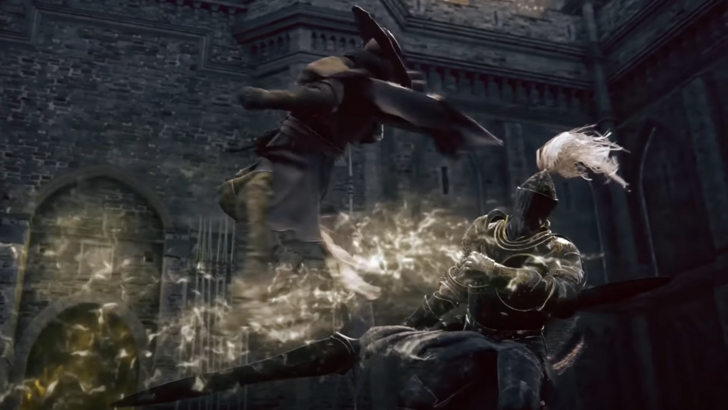
Harmonizing Difficulty and Accessibility: A New Era for FromSoftware
As FromSoftware navigates the evolving landscape of gaming,the challenge lies in maintaining the essence of difficulty while ensuring that accessibility is not an afterthought.Hidetaka Miyazaki,the visionary behind titles like *Dark souls* and *Elden Ring*,has laid the groundwork for a design philosophy that embraces a more inclusive gaming experience. By introducing features such as adjustable difficulty settings and complete tutorials, the studio aims to bridge the gap between veteran gamers and newcomers. Gamers crave a sense of achievement,yet the frustration that often accompanies steep difficulty curves can alienate potential players. Creating an equilibrium will require careful consideration, balancing the thrill of overcoming challenges with the satisfaction of progress.
This new direction prompts innovative gameplay mechanics that cater to both hardcore fans and a broader audience. Elements such as:
- Dynamic Difficulty Adjustment: Modifications that react to player performance.
- Guided Exploration: Enhanced navigation aids to help players uncover the rich lore and expansive environments.
- Community-Driven content: Tools to allow sharing strategies and experiences among players.
As FromSoftware moves forward, a refined approach will not only redefine their reputation but could also set a precedent within the industry. The development team is poised to reimagine what challenge means, creating a tapestry where every player can engage meaningfully. A commitment to fostering a diverse community while preserving core gameplay mechanics will ensure that every encounter—whether daunting or approachable—contributes to a cohesive, exhilarating journey.
The role of Player Agency in Crafting Engaging Challenges
In the landscape of interactive entertainment, player agency serves as a cornerstone in creating meaningful and engaging challenges. FromSoftware, under the visionary direction of Hidetaka Miyazaki, has valiantly embraced this concept, allowing players to dictate their approach to gameplay. This design philosophy creates a sense of ownership over the experience, where the myriad paths players can take lead to distinct, memorable encounters. Through immersive environments, demanding foes, and intelligent world design, players are invited to explore their capabilities and the consequences of their choices, setting the stage for unique narratives intertwined with individual skill development.
by embedding player agency into their games, FromSoftware elevates challenge from mere difficulty to a layered exploration of strategy and improvisation. As players face formidable adversaries, the decisions made in combat—not just in terms of direct offense but also in how they navigate the surroundings—transform each encounter into a vibrant dance of tactics.Elements such as character builds, weapon selections, and timing become critical components that enhance the experience. Players are not simply passive participants; they become key architects of their own setbacks and triumphs. This intricate relationship between agency and challenge fundamentally shifts how players interact with the game world, paving the way for an enriched storytelling experience.
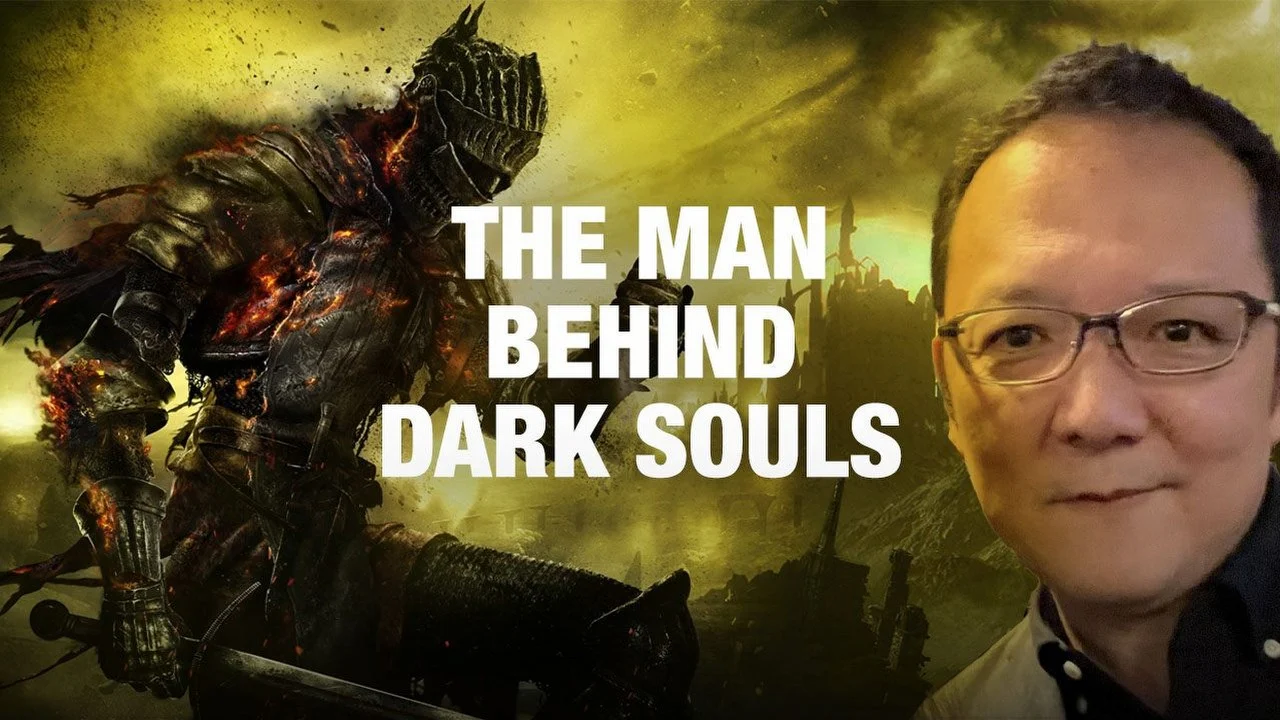
Future Innovations: Balancing Tradition with Emerging Design Practices
As the gaming landscape continues to evolve, creators face the challenge of integrating time-honored principles with new innovations. Hidetaka miyazaki’s design philosophy embodies this balance, emphasizing a deep respect for player autonomy and crafted environments while effectively leveraging modern technology. Key aspects of this approach include:
- Environmental Storytelling: By intricately designing worlds that unveil their own lore, FromSoftware appeals to both veteran players and newcomers.
- Player Agency: Empowering players through choices and consequences fosters a sense of immersive engagement.
- Inclusive Difficulty Settings: Exploring ways to retain challenging gameplay while welcoming a broader audience opens paths for wider acceptance.
Looking ahead, the integration of advanced technologies such as AI-driven narratives and procedural generation presents an exciting frontier. By examining the appropriate blend of these tools with traditional game design philosophies, Miyazaki and his team can establish a new framework for success. Consider the potential attributes in a future game:
| Attribute | Traditional Aspect | Emerging Technology |
|---|---|---|
| Dynamic NPC Behaviour | Fixed Storylines | AI Learning |
| Player Customization | predefined Classes | Procedural Design |
| Branching Quests | Linear progression | Player Choices |
Blending these innovations with FromSoftware’s legacy not only preserves the essence of challenge in their design but also opens up new avenues for exploration. The fusion of creativity and technology has the power to redefine what a gaming experience can be, enriching player encounters and expanding the universe of possibilities.
Q&A
Q&A: The Evolution of Challenge: Hidetaka Miyazaki and the future of FromSoftware’s Design Philosophy
Q1: Who is Hidetaka Miyazaki, and what role has he played in shaping FromSoftware’s games?
A1: Hidetaka Miyazaki is the acclaimed director and designer at FromSoftware, known primarily for his pivotal role in developing influential titles like Demon’s Souls, the Dark Souls series, Bloodborne, and Sekiro: Shadows Die Twice. His innovative approach blends intricate world-building, deep lore, and, most notably, a distinct philosophy toward challenge and player experience that has defined the company’s games. Under his guidance, FromSoftware has embraced difficulty not just as a gameplay mechanic but as a vessel for personal growth and narrative engagement.
Q2: How has the concept of challenge evolved in FromSoftware’s games over the years?
A2: Initially, the challenge presented in Demon’s Souls was rooted in punishing gameplay that demanded patience and perseverance from players.As Miyazaki’s vision matured, so did the nuances of challenge.The Dark Souls series emphasized learning patterns and timing, rewarding players not only for their skill but also for their ability to adapt.In contrast, Sekiro introduced a more proactive form of challenge, focusing on precise timing and strategic deflection, pushing players to master the combat system. This evolution signifies a shift in design philosophy from simple difficulty to a multifaceted experience where the sense of achievement arises from deep engagement with the game world.
Q3: What role does storytelling play in the challenge of fromsoftware’s games?
A3: Storytelling in FromSoftware’s titles is intricately woven with the gameplay experience. Miyazaki believes that challenge enriches narrative engagement; the trials players face often reflect the struggles of the characters within the story.The lore is often cryptic, encouraging exploration and interpretation, which aligns with the difficulty of the games. By overcoming challenges,players unveil pieces of the narrative,making each victory not just a personal triumph but a narrative achievement as well. This fusion of challenge and storytelling creates a unique emotional connection, immersing players not only in gameplay but in the overarching world Miyazaki has crafted.
Q4: How does Miyazaki’s design philosophy influence player-community interaction?
A4: Miyazaki’s design philosophy has nurtured a vibrant community of players who share tips,strategies,and lore interpretations. The inherent challenge of FromSoftware’s games fosters a sense of camaraderie; players often band together to tackle tough bosses or discuss cryptic story elements. This interaction is encouraged by features such as cooperative multiplayer elements, invasions, and unique messaging systems. The challenge becomes not only an individual journey but a shared experience, prompting discussions and collaborations that extend beyond the game itself, demonstrating a testament to Miyazaki’s belief in community as part of the gameplay experience.
Q5: What can we expect from FromSoftware and Miyazaki’s future projects regarding challenge and design philosophy?
A5: As Miyazaki and FromSoftware continue to evolve, we can anticipate an exploration of challenge that transcends traditional boundaries. Future titles may incorporate new gameplay mechanics, innovative narratives, or even shifts in artistic direction.The ongoing trend suggests that while challenge will remain at the forefront, it may also adapt to incorporate accessibility without sacrificing the enriching experience that fans cherish. Whether through new gameplay innovations or narrative explorations, Miyazaki’s ongoing legacy will likely embrace the feedback and desires of the community, forging a path that remains as unpredictable as the worlds his games inhabit.
—
Q6: How does Miyazaki’s vision reflect broader trends in gaming?
A6: Miyazaki’s vision reflects a growing recognition of the role challenge plays in video game design across the industry. As more developers explore intricate difficulty scales and the emotional impacts of challenge, FromSoftware’s approach serves as a blueprint for balancing skill, narrative, and player engagement. This trend emphasizes the idea that difficulty is not merely a hurdle but a key component that can enhance storytelling and player investment. In a gaming landscape that often seeks inclusivity, Miyazaki’s philosophy inspires dialogues about how challenges can evolve to foster richer experiences while respecting the spirit of traditional gaming.
Closing Remarks
as we reflect on the intricate tapestry woven by Hidetaka Miyazaki and his team at FromSoftware, it becomes clear that the evolution of challenge is not merely a design choice but a philosophical stance.Each title, from the labyrinthine depths of “Dark Souls” to the sprawling landscapes of “Elden Ring,” invites players into a realm where perseverance and ingenuity are rewarded, shaping a unique dialogue between the creator and consumer.
As we gaze into the future of FromSoftware’s design philosophy, it is likely that we will continue to see the hallmark traits of their approach—unforgiving yet fair encounters, rich world-building, and a profound sense of discovery. With their ability to adapt and innovate, Miyazaki’s vision suggests that the dialogue between challenge and accessibility will evolve further, inviting new players while still resonating with veterans of their craft.
As we anticipate what lies ahead, one thing remains certain: the interactive experiences crafted by FromSoftware will continue to challenge our perceptions of difficulty and reward. The journey may be arduous, but it is precisely this odyssey that draws players into a deeper connection with both the game and themselves—a testament to the enduring legacy of Miyazaki’s design philosophy. In a world where the essence of challenge is ever-changing, fromsoftware stands poised to redefine it once again.