
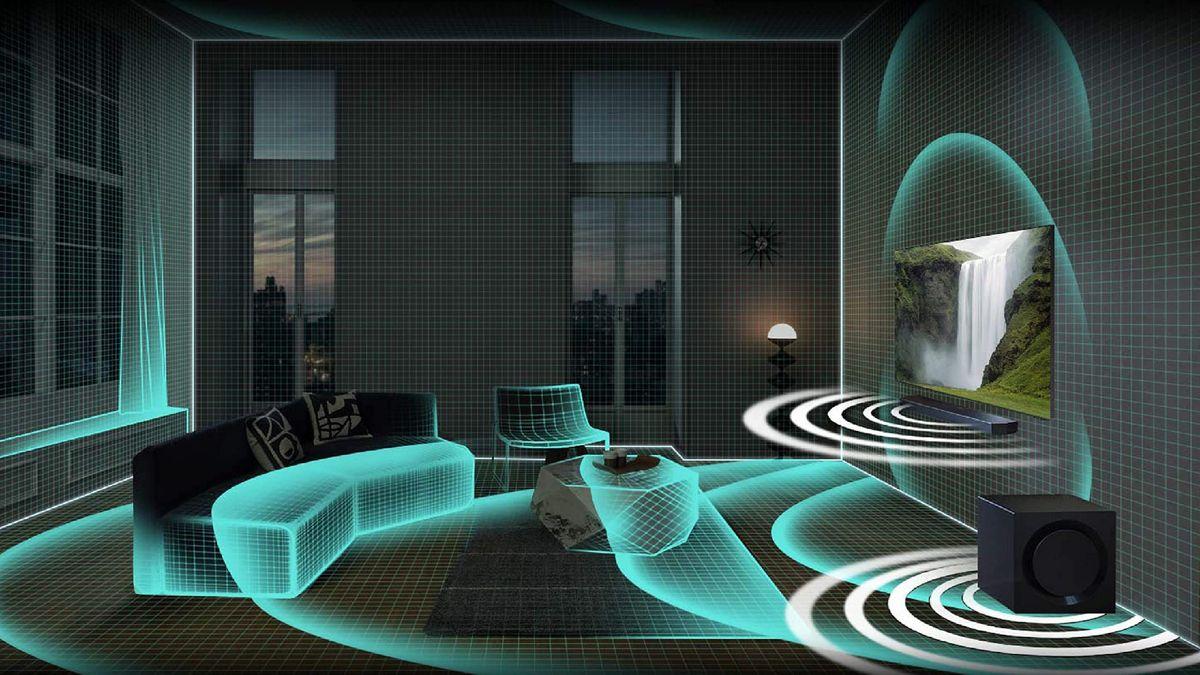
In a bold move that promises to reshape the audio landscape, Samsung has unveiled Eclipsa Audio, its latest innovation poised to challenge the supremacy of Dolby Atmos. As the demand for immersive sound experiences continues to grow, Eclipsa Audio emerges as an open-source contender, providing a fresh alternative for developers and audiophiles alike. With its promise of enhanced spatial sound and compatibility across various platforms, this groundbreaking technology invites a new era of creativity in audio design. As the battle for audio supremacy heats up, Eclipsa Audio stands at the forefront, ready to redefine how we experience sound in our homes, theaters, and beyond. In this article, we will explore the features, potential impact, and implications of Samsung’s Eclipsa Audio on the future of immersive audio.
A Game Changer in Sound Technology: Introducing Eclipsa Audio
In a revolutionary shift for audio experiences, Samsung has introduced Eclipsa Audio, an open-source platform designed to elevate sound technology to new heights. This innovative system offers a refreshing alternative to Dolby Atmos, positioning itself as a formidable player in the realm of immersive sound. By integrating advanced algorithms and a community-driven approach, Eclipsa Audio enables developers and creators to customize audio settings, resulting in a level of personalization that has never been seen before in surround sound technology. The platform encourages collaboration, allowing sound engineers to contribute to a collective library of sound enhancements.
What sets Eclipsa Audio apart is its focus on accessibility and versatility, ensuring that high-quality audio is attainable for everyone. Key features include:
- Open-Source Accessibility: developers can modify and enhance the audio framework as per specific project needs.
- Multi-Platform support: Compatible with various devices, from smartphones to smart home systems, extending its reach.
- Seamless Integration: Designed to easily pair with existing audio equipment and surround systems,offering a hassle-free upgrade path.
To illustrate the advantages of Eclipsa Audio, consider the following comparison with Dolby Atmos:
| Feature | Eclipsa Audio | Dolby Atmos |
|---|---|---|
| Open Source | ✔️ | ❌ |
| Customization | High | moderate |
| Compatibility | Multi-Platform | Limited |
| Community Support | Active | Moderate |
With its commitment to innovation and user flexibility, Eclipsa Audio is positioned not just as an alternative but as a possibly transformative force in the audio landscape, appealing to both everyday consumers and industry professionals alike.
Exploring the Technical Innovations Behind Eclipsa Audio
The emergence of Eclipsa Audio marks a notable leap forward in immersive sound technology, leveraging advanced algorithms and open-source principles to enhance soundscapes. Through the integration of spatial audio rendering techniques, Eclipsa Audio offers a dynamic and fluid sound experience that mimics real-world acoustics. Key innovations include:
- Object-Based Audio Processing: this allows sound to be treated as distinct objects within a three-dimensional environment, enabling more precise control over where and how audio is placed.
- Dynamically Adaptive Sound Fields: Eclipsa Audio’s technology can adjust sound fields in real time, responding to user interactions and changing environments efficiently.
- Compatibility with Multi-Device Ecosystems: Designed to work seamlessly across various devices, Eclipsa Audio promotes accessibility in immersive experiences.
To further illustrate its technical framework, here’s a brief comparison between eclipsa Audio and conventional sound technologies:
| Feature | Eclipsa Audio | Dolby Atmos |
|---|---|---|
| Open-Source | Yes | No |
| Real-Time Sound Field Adaptation | ✔️ | ❌ |
| Object-Based Control | ✔️ | ✔️ |
| Cross-Platform Compatibility | ✔️ | Limited |
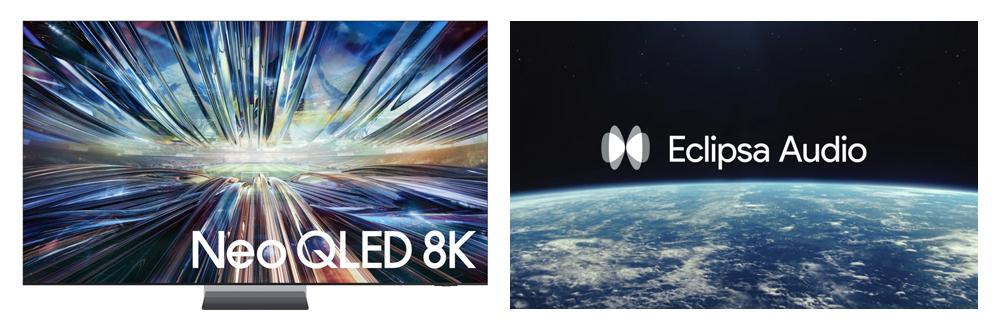
Comparing Eclipsa Audio to Dolby atmos: Key Differences and Similarities
The landscape of immersive sound experiences is evolving with the introduction of Samsung’s Eclipsa Audio, positioning itself as a formidable alternative to Dolby Atmos. Both technologies aim to elevate audio quality, but their approaches and functionalities differ considerably.Eclipsa Audio is built on an open-source framework, allowing developers to tailor sound experiences without the restrictions of proprietary licenses, while Dolby Atmos relies on a closed ecosystem that integrates with various hardware and software products for a cohesive experience. the independence of Eclipsa Audio invites a wide array of creative possibilities, whereas Dolby Atmos provides a robust, industry-standard offering that guarantees compatibility with numerous devices.
When it comes to sound rendering, Eclipsa Audio and dolby Atmos share the ambition of creating three-dimensional auditory environments, but they employ distinct methodologies. Eclipsa utilizes innovative object-based audio that allows sound to be treated as individual objects in a 3D space, providing a customizable experience. In contrast, Dolby Atmos uses a more established framework of sound mixing, with the ability to use audio channels and objects to enhance spatial sound constantly. The following table outlines some key differences and similarities between the two systems for speedy reference:
| Feature | Eclipsa Audio | Dolby Atmos |
|---|---|---|
| Source Model | Open-source | Proprietary |
| Customization | Highly customizable | Limited customization |
| Compatibility | varied devices | Wide range of certified products |
| Sound Rendering | Object-based audio | Channel and object-based audio |
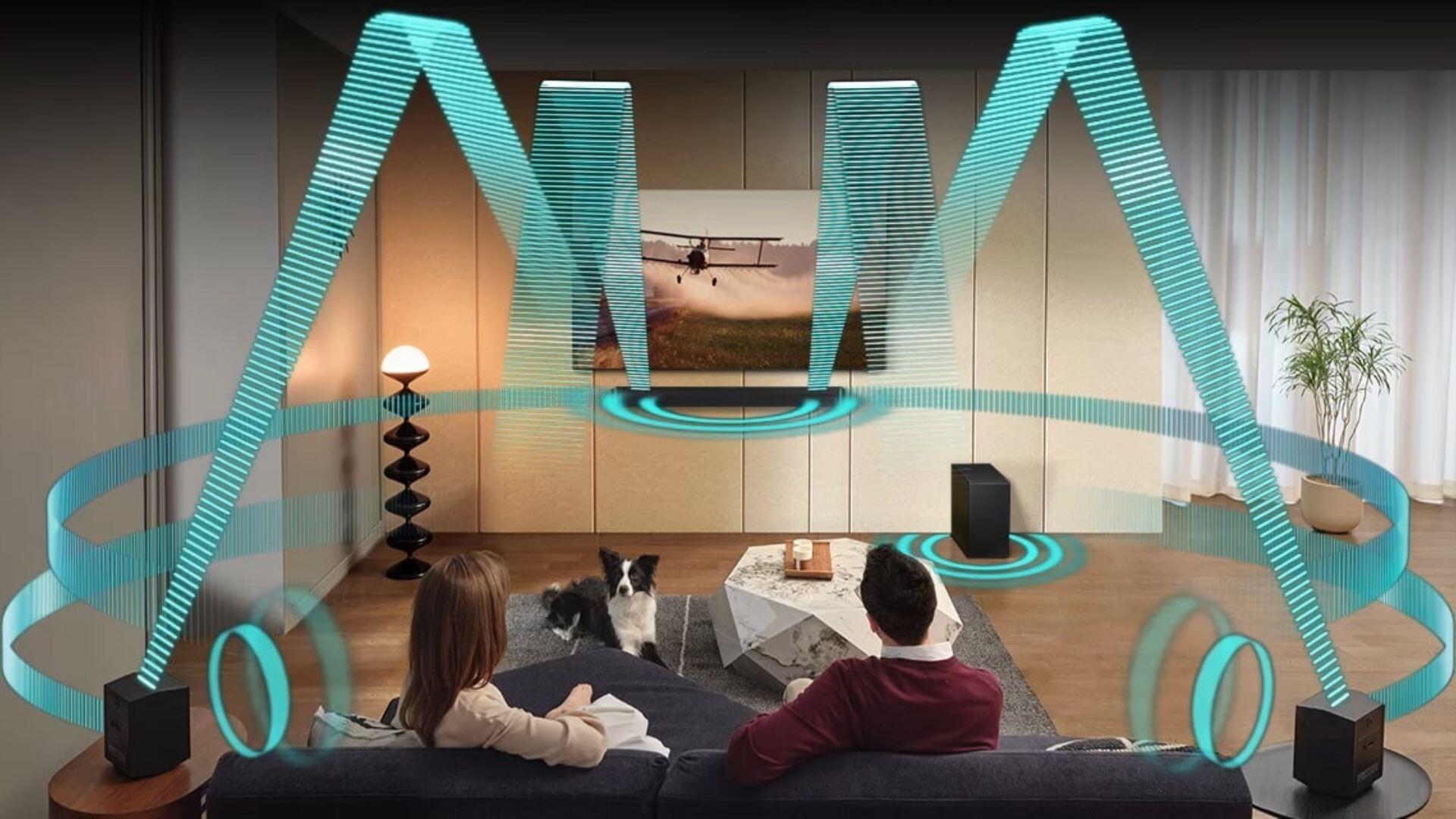
Potential Applications and use Cases for Eclipsa Audio in Various Industries
The introduction of Eclipsa Audio opens up exciting possibilities across a spectrum of industries. In the entertainment sector, filmmakers and game developers can harness this open-source technology to create stunning auditory landscapes that mimic real-world environments. This will not only enhance the viewer’s immersion but also allow content creators to embrace innovative storytelling techniques by surrounding audiences with sound. Additionally, the music industry stands to benefit from Eclipsa Audio, allowing artists to explore multidimensional soundscapes that can redefine spatial audio experiences during live performances and recordings alike. By making refined audio technology more accessible, emerging artists may gain the ability to elevate their work through high-quality audio production without the constraints of costly licensing fees.
Moreover, sectors such as education and virtual reality are poised to leverage the capabilities of Eclipsa Audio for training simulations and interactive learning environments.Educational content can be enriched with spatial audio that promotes better retention and engagement, particularly in subjects like science or history. In the realm of healthcare,Eclipsa Audio could play a vital role in therapeutic sound applications,providing environments conducive to healing and relaxation in hospitals or wellness centers. The possibilities extend to corporate training and advertising, where immersive sound experiences have the potential to enhance the effectiveness of presentations and campaigns.Here’s a glimpse of some potential applications:
| Industry | Submission |
|---|---|
| Entertainment | Immersive movie and gaming soundscapes |
| Music | spatial audio-enhanced recordings and performances |
| Education | Interactive audio for enhanced learning |
| Healthcare | Therapeutic sound environments |
| Corporate | engaging training sessions and presentations |
Getting Started with Eclipsa Audio: Hardware and Software Recommendations
To embark on your journey with eclipsa Audio,selecting the right hardware and software is crucial for achieving an immersive sound experience. For the best results,consider investing in high-quality headphones or speakers that support spatial audio capabilities.Opt for audio interfaces that feature low latency for real-time sound processing, such as models from renowned brands like Focusrite or PreSonus. Additionally, a powerful computer equipped with advanced processing capability will enhance the performance of Eclipsa Audio, ensuring smooth playback and editing.Setting up a suitable acoustic environment with soundproofing panels can also help you in capturing the richness of sound without unwanted interference.
On the software side, make sure to incorporate a DAW (Digital Audio Workstation) that is compatible with Eclipsa audio, with options like Pro Tools, Ableton Live, or FL Studio standing out for their versatility. Pairing your DAW with plugins specifically designed for spatial audio processing can elevate your audio projects, allowing for detailed enhancements and effects. Don’t forget to take advantage of open-source applications that work harmoniously with Eclipsa Audio; platforms like Audacity or Reaper can onboard new users easily and offer powerful features without breaking the bank. Here’s a compact comparison of recommended software and their features:
| Software | Compatibility | Key Features |
|---|---|---|
| Pro Tools | Windows, macOS | Industry-standard, comprehensive audio editing |
| Ableton Live | Windows, macOS | Live performance, versatile MIDI control |
| Audacity | Windows, macOS, Linux | Open-source, multi-track editing |
Community and Collaboration: The Open-Source Advantage of Eclipsa Audio
The launch of Eclipsa Audio marks a significant shift toward community-driven innovation in sound technology.by embracing an open-source model, Samsung invites developers, audiophiles, and sound designers to contribute and refine the platform, enhancing its capabilities beyond traditional barriers. With this collaborative approach, users are empowered to share their inventions, ideas, and modifications, accelerating the evolution of immersive sound experiences. The collective insights from a broad range of contributors foster creativity that frequently enough goes untapped in proprietary systems.
Moreover, the open-source framework provides a obvious pathway for integration and adaption, allowing for unique implementations tailored to niche markets. Key benefits include:
- User-Centric Development: Input from the community ensures that Eclipsa Audio evolves based on actual user experiences and needs.
- Rapid Innovation: With more minds engaged in development, features can be added and refined swiftly.
- Cost Efficiency: Users can access advanced sound technologies without hefty licensing fees typically associated with proprietary audio formats.
Q&A
Q&A on Samsung’s Eclipsa Audio: A New Open-Source Contender to Dolby Atmos
Q1: What is Eclipsa Audio and how does it differ from Dolby Atmos?
A1: Eclipsa Audio is Samsung’s latest innovation in sound technology, designed to provide enhanced immersive audio experiences. Unlike Dolby Atmos, wich is a proprietary format, Eclipsa Audio is open-source, allowing developers and manufacturers to customize its features without licensing restrictions. This accessibility could lead to broader adoption and a variety of applications across different devices.
Q2: What are the primary features of Eclipsa Audio?
A2: Eclipsa Audio boasts several key features aimed at elevating sound fidelity and user experience. It offers three-dimensional sound mapping, allowing users to perceive audio from multiple directions, similar to Dolby Atmos.Additionally, it supports higher resolution audio formats and features adaptive sound technology, meaning it can adjust audio settings based on listening conditions and environments.
Q3: Why has Samsung opted for an open-source approach with Eclipsa Audio?
A3: Samsung’s decision to adopt an open-source approach for Eclipsa Audio aims to foster collaboration within the tech community. By eliminating licensing fees, they encourage developers to innovate and tailor the sound technology to specific products or applications. This could accelerate the growth of immersive audio technology beyond traditional entertainment platforms, potentially making it accessible in various settings like gaming, virtual reality, and even smart home devices.
Q4: How will Eclipsa Audio impact the market for immersive audio technologies?
A4: The introduction of Eclipsa Audio is expected to increase competition in the immersive audio market. As an open-source platform, it could challenge the dominance of established players like Dolby and DTS, driving innovation and reducing costs for consumers. With more manufacturers likely to adopt Eclipsa Audio, we may see a surge in differentiated audio features, enhancing overall user choice and experience.
Q5: Can consumers expect any immediate products featuring Eclipsa Audio?
A5: While Samsung has unveiled Eclipsa Audio, specific product launches featuring this technology have yet to be announced. though, industry experts anticipate that Samsung’s own devices, such as televisions, soundbars, and mobile devices, will likely support Eclipsa Audio in the near future. Additionally, other manufacturers may also start integrating this technology into their offerings, broadening its reach.
Q6: What potential challenges could Eclipsa Audio face in the industry?
A6: While the open-source model presents numerous advantages, Eclipsa Audio may encounter challenges related to compatibility and standardization. As various manufacturers implement the technology in different ways, consumers may experience inconsistencies in performance. Additionally, the success of eclipsa Audio will depend on how well it differentiates itself from established solutions like Dolby Atmos and how quickly it garners developer support.
Q7: In what ways could Eclipsa Audio enhance everyday listening experiences for consumers?
A7: Eclipsa Audio has the potential to transform everyday listening experiences by making high-fidelity sound more accessible. It could improve audio quality in casual settings, such as home entertainment systems, personal devices, and even smartphones.By enabling richer, more immersive sound, it may enhance the overall enjoyment of music, movies, and interactive media for a wider audience.
By addressing these questions, this Q&A aims to clarify Samsung’s exciting venture into immersive audio with Eclipsa Audio, highlighting both its potential and implications for the industry.
Key Takeaways
Samsung’s unveiling of Eclipsa Audio marks a significant step forward in the quest for more accessible and versatile sound experiences. By introducing an open-source alternative to Dolby Atmos, the tech giant not only democratizes high-fidelity audio technology but also invites developers and audio enthusiasts alike to contribute to its evolution. As the landscape of immersive sound continues to evolve, Eclipsa Audio stands poised to offer a fresh perspective, fostering creativity and innovation within the audio community. Whether you’re a casual listener or an audiophile, the potential for richer, more engaging soundscapes is now just on the horizon. As we look forward to the future of audio technology, Eclipsa Audio invites us all to tune in and explore the possibilities.