
In an era where visual communication reigns supreme, the significance of crafting a compelling visual identity cannot be overstated, especially within the vibrant world of gaming. As brands jostle for attention in an increasingly crowded marketplace, the artistry of game design transcends mere aesthetics—it becomes a crucial pillar of brand identity. “Crafting visual Identity: Establishing Brands Through game Art” delves into the dynamic interplay between creativity and commerce, exploring how evocative imagery and thoughtfully designed characters help forge connections with audiences. From pixelated landscapes that transport players to fantastical realms to the intricate details that breathe life into iconic heroes and villains, this article will illuminate the profound impact that game art has on brand perception and loyalty. Join us as we unravel the threads that bind visual storytelling to brand identity, revealing how effective game art not only enhances the player experience but also cultivates a distinctive and enduring brand presence in the minds of consumers.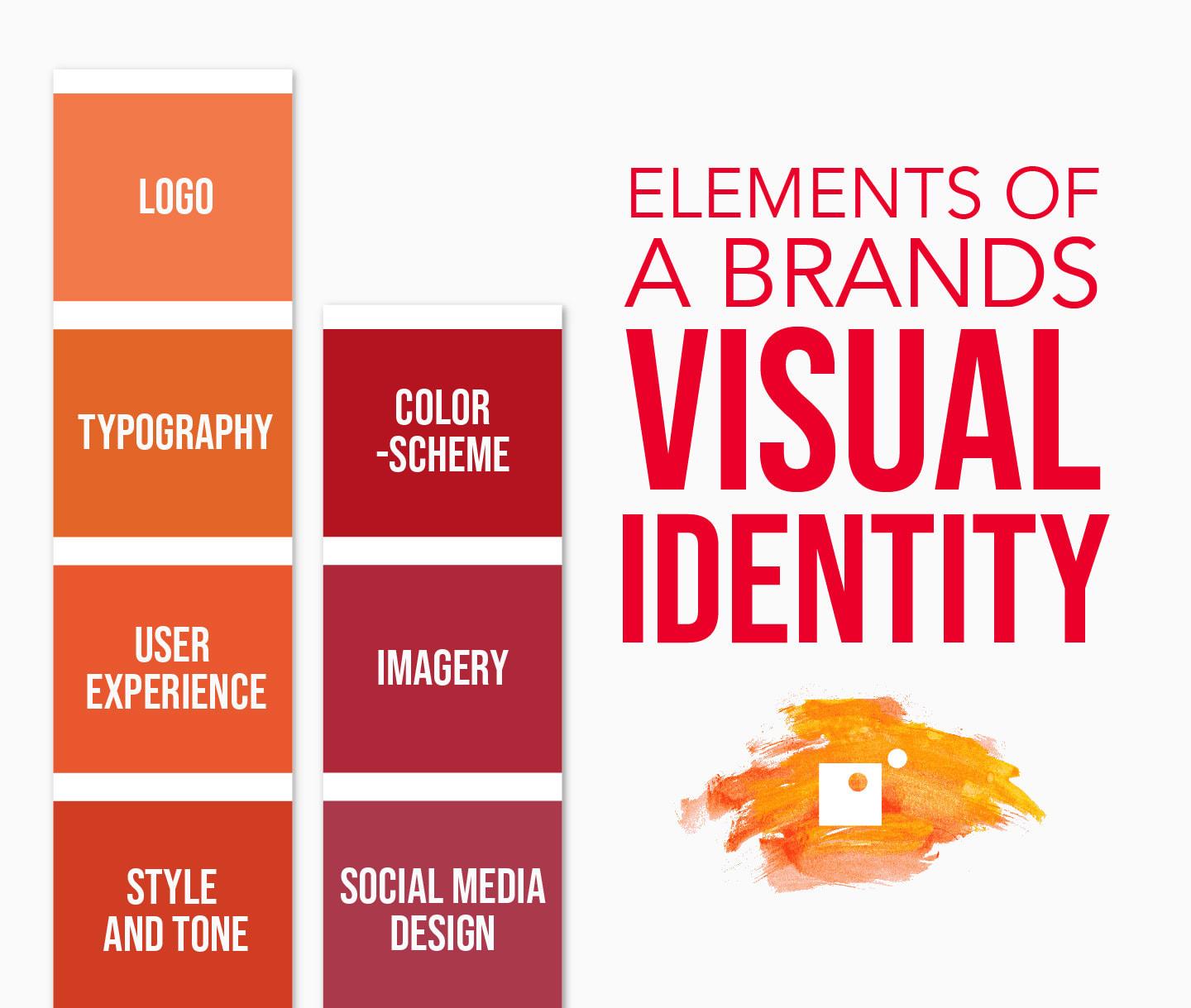
Understanding the Essence of Visual Identity in Game Art
Visual identity serves as the visual backbone of a game’s brand,encapsulating its core values,themes,and the emotional journey players can expect to experience. Achieving a cohesive visual identity is not merely about aesthetics; it is indeed about crafting a holistic experience that resonates with the target audience. Every aesthetic choice, from character design to environmental art and UI elements, contributes to the narrative woven throughout the game.This synergy helps players build a strong, emotional connection with the game’s world, characters, and universe.
At the heart of visual identity are distinct elements that need to be carefully curated. the following components harmonize to create a memorable visual experience:
- Color Palette: The colors chosen can evoke specific emotions and set the overall mood of the game.A vibrant color scheme can suggest excitement and adventure, while muted tones may convey mystery.
- Typography: Fonts used in-game can significantly influence player perception.Unique typefaces can add personality to UI elements and lore, reinforcing the game’s theme.
- Iconography: Strong icons and symbols can act as visual shorthand for the game’s mechanics, helping players quickly understand complex systems.
- Style Consistency: Whether opting for realism, surrealism, or cartoonish styles, maintaining a consistent art direction across all aspects of the game solidifies identity.
Creating a compelling visual identity also involves seeking inspiration from various sources while maintaining originality. Designers often draw from existing art forms and cultures, experimenting with how these influences can be uniquely reinterpreted. This process not only enriches the game’s visuals but also pays tribute to the artistic heritage that underpins the medium. As an example:
| Aspect | Inspiration Source | Artistic Style |
|---|---|---|
| Characters | Folklore and Mythology | Exaggerated Features |
| Environments | Naturism | Realistic Textures |
| Storytelling | cinema | Dynamic Composition |
| Gaming Mechanics | Classic Board Games | Minimalist Icons |
Lastly, the evolution of a game’s visual identity should not be static; it must adapt as the gaming landscape changes. Player feedback, technological advancements, and market trends all shape the way visual identity can be expressed. Continuous iteration and refinement allow for an organic growth of the brand’s presence, ensuring it remains relevant and appealing to new and returning players alike. Designers must stay attuned to the pulse of both the gaming community and the broader cultural context to keep the visual identity fresh and engaging.
Key Elements of Game Art that Shape Brand Recognition
When creating unforgettable gaming experiences, the role of visual elements in establishing brand identity cannot be overstated.Game art serves as the first point of contact between a player’s expectations and the immersive world of the game. Different components come together to create a cohesive and memorable visual narrative that helps in building a strong brand. Among these elements, color palettes, character design, environmental aesthetics, and iconic imagery stand out as vital components.
Color Palettes are not merely aesthetic choices; they evoke emotions and set the tone of the entire gaming experience. A well-thought-out color scheme can trigger feelings of excitement, nostalgia, or even suspense, effectively pulling players into the game’s narrative. For instance, vibrant colors may indicate a whimsical or adventurous theme, while darker tones can suggest mystery or danger. To illustrate this further, consider the color schemes used in various games:
| Game Title | Color Palette | emotional Impact |
|---|---|---|
| Fortnite | Luminous, vibrant colors | Energy and excitement |
| Dark Souls | Muted, dark tones | Mystery and tension |
| Journey | earthy, warm hues | Calmness and reflection |
Character Design is another crucial aspect that enables players to form attachments and establish a sense of identity within the game. Unique and relatable characters can become synonymous with the brand itself. Take iconic figures like Mario or Lara Croft, whose designs and personalities have evolved but still retain their core traits, ensuring brand familiarity. Effective character design balances aesthetics with functionality, allowing players to feel invested in the character’s journey while fostering a connection with the brand.Key factors in successful character design include:
- silhouette: A recognizable shape helps players instantly identify the character.
- Color Scheme: Characters that match the game’s overall palette enhance the visual coherence.
- Accessories and Details: Unique elements that give characters personality and depth.
Environmental aesthetics play a vital role in immersing players in the game world. The surrounding elements not only help define the game’s setting but also communicate its lore and themes. Whether it’s the sprawling landscapes of an open-world RPG or the intricate interiors of a puzzle game, well-crafted environments contribute significantly to gameplay experience. Engaging environments create a sense of place that players can remember long after they’ve finished the game. The following aspects are essential in creating compelling environments:
- Cohesive Design: Ensures every aspect of the environment complements the overall theme.
- Dynamic Elements: Features like weather changes or day-night cycles can enhance immersion.
- Attention to Detail: Small details create depth and make the world feel alive.
iconic imagery holds the power to transform game art into lasting brand symbols. These images often become synonymous with the game, making them easily identifiable at a glance. Logos, emblems, and specific art styles can transcend the game’s narrative, making it a cultural touchstone for players. think of the simplicity of the Pac-Man character or the mastery of the Triforce from The Legend of Zelda.simple yet recognizable motifs enable players to form emotional connections with the brand, making them more likely to engage with future iterations or associated media.
Color Theory and Its Impact on Brand Perception in Gaming
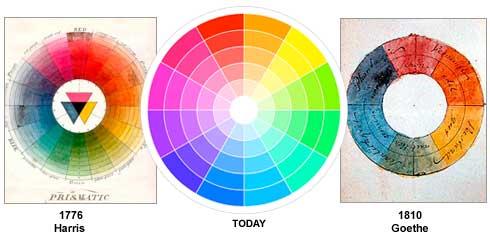
Color isn’t just a visual confetti in gaming; it’s a powerful language that tells players what to feel and how to perceive a brand. In the world of game art, every hue and shade is meticulously chosen not only for aesthetic appeal but also to communicate a brand’s identity. For instance, cool colors like blues and greens often evoke feelings of tranquility and reliability, making them ideal for brands aiming to project trustworthiness in a competitive market. Conversely, warm colors, such as reds and yellows, can create a sense of urgency and excitement, drawing players into an immersive world filled with action.
when designing a brand through game art, it’s essential to consider cultural perceptions of color, as these can vary drastically around the globe. A palette that resonates positively in one culture might carry negative connotations in another. For instance, while white signifies purity and peace in many Western cultures, it may represent mourning in certain Eastern traditions. Thus, a well-thought-out color palette not only strengthens brand identity but also enhances its global appeal, making it more immersive and approachable for diverse audiences.
Brand consistency is another critical aspect where color theory plays a crucial role. When gamers can promptly recognize a brand through its distinct color scheme, it builds familiarity and trust. Here are several key elements that illustrate how color impacts brand perception in gaming:
- emotional Resonance: Colors can evoke specific feelings,aligning the game experience with the desired emotional journey.
- Memorable Branding: A unique color palette can make a brand stand out in a crowded marketplace.
- Gameplay Enhancement: Appropriate color choices can influence the gameplay experience, guiding players through different elements seamlessly.
- Market Differentiation: Utilizing unconventional color schemes can help a game distinguish itself from its competitors.
To help illustrate the importance of color theory in gaming,consider the following table showcasing notable games and their corresponding color schemes,along with the feelings they are intended to evoke:
| Game Title | Primary Color Scheme | Intended Emotion |
|---|---|---|
| The Legend of Zelda: Breath of the Wild | Natural Greens and Earthy Browns | Exploration and Wonder |
| Fortnite | Vibrant Purples and Bright Reds | Excitement and Energy |
| Celeste | Pastels with Dark Accents | Calmness and Reflection |
| Dead Space | Dark Blues and Grays | Tension and Fear |
game art is not just about creating visually appealing graphics; it’s about crafting a cohesive brand identity powered by the psychological implications of color. By understanding and leveraging color theory, game developers can enhance player engagement, shape perceptions, and foster an emotional connection with their audience.By weaving together vivid colors with thoughtful design, a brand can create an unforgettable visual identity that resonates deeply with players around the world.
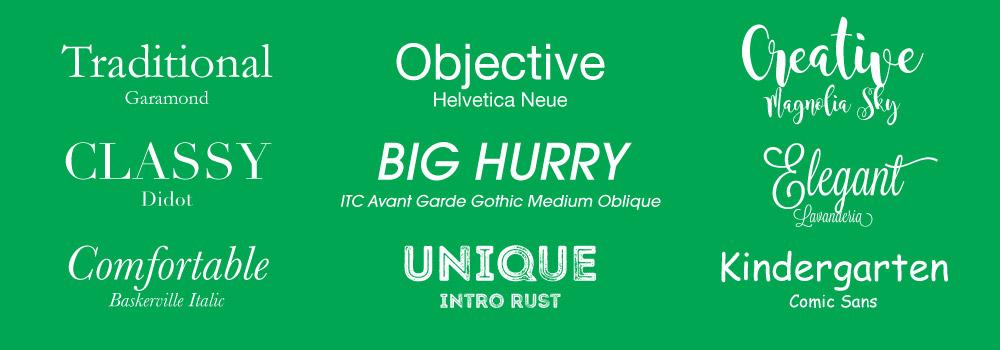
Typography Choices: Crafting a Unique Voice Through Text
Typography is an frequently enough-overlooked element in the world of game art. It holds the power to infuse character and distinction,guiding players not just through the storyline but also amplifying the brand identity. Different typefaces can evoke a multitude of emotions: a bold serif might convey tradition and authenticity, while a sleek sans-serif could embody modernity and sophistication. Selecting the right font goes beyond mere aesthetics; it’s about crafting the narrative and setting the tone for the entire gaming experience.
when designing a game’s visual language, consider how typography interacts with other design elements.Hierarchy is crucial; it determines wich text elements catch the player’s eye first and how the facts is prioritized. Establishing a clear typographic hierarchy can be achieved through adjustments in:
- Size: Larger type sizes can signal importance.
- Weight: Bold fonts can emphasize key messages.
- Color: Contrasting colors draw attention to certain texts.
- Placement: Positioning text strategically can affect readability and focus.
Moreover, it’s essential to align typography with the narrative and setting of the game. If a game is set in a dystopian future,a distressed typeface may enhance that sense of decay and struggle. conversely, a whimsical font might be more fitting for a fantasy adventure aimed at a younger audience.Here’s a rapid reference table that illustrates various genres and corresponding typeface recommendations:
| Game Genre | Recommended Typeface Styles |
|---|---|
| Action/Adventure | Strong Serif, Bold Sans-serif |
| Role-Playing Game (RPG) | Fantasy script, Decorative Serif |
| Puzzle/Educational | Simple Sans-serif, Geometric Fonts |
| Horror | Stark Serif, Distressed Fonts |
brand recognition heavily relies on consistency.A unique typographic voice enhances memorability and distinguishes a game from its competitors. Once you’ve defined a specific typeface for the game’s title or vital information, it’s imperative to maintain that choice throughout menus, marketing materials, and promotional graphics. This cohesive approach fosters familiarity, making the gaming experience more immersive. Typography choices seamlessly weave into the fabric of game art, transforming simple text into a powerful tool for connection and expression.
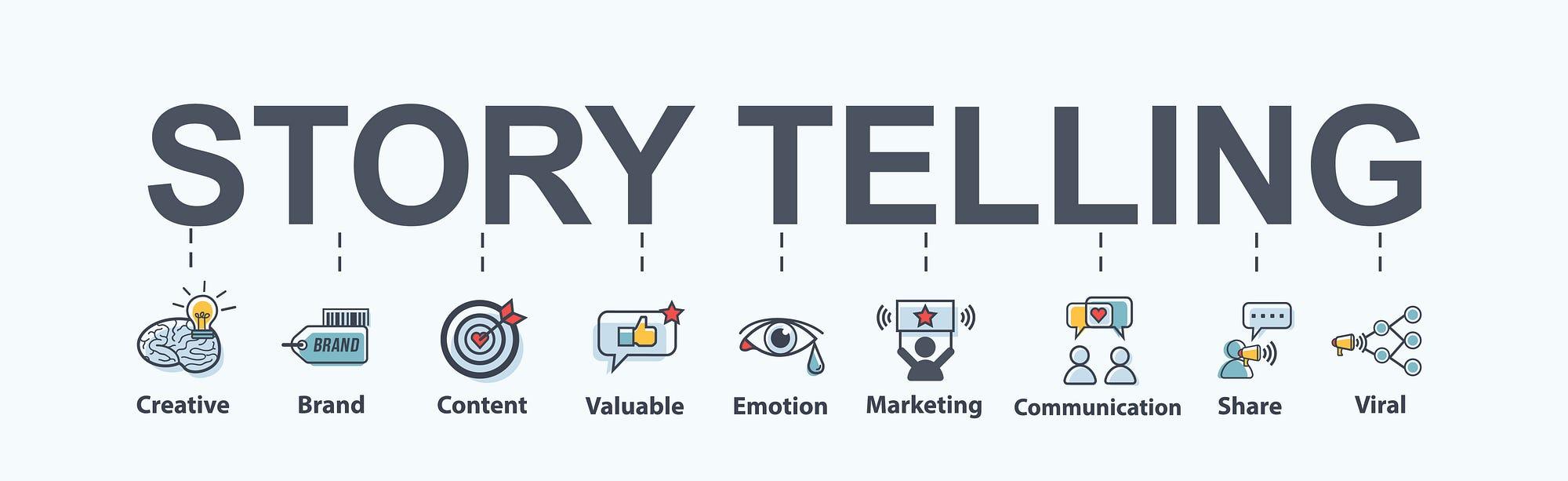
harnessing Visual Storytelling to Engage Your Audience
In a digital landscape saturated with fleeting content, the importance of capturing attention through imagery cannot be overstated. Brands now have an arsenal at their disposal to create memorable narratives that resonate deeply with audiences. Game art serves as a compelling medium for visual storytelling, infusing passion and emotion into branding efforts. By employing a rich tapestry of visuals, companies can forge connections that extend far beyond traditional marketing strategies.
To truly engage audiences, brands should prioritize elements that elevate their visual storytelling. Consider these key components:
- character Design: Well-crafted characters can serve as relatable icons, tapping into the emotions of your audience. They can embody the brand’s values and narratives, making your messaging more personal and engaging.
- Color Palette: Colors evoke feelings and reactions. A thoughtful palette can express brand personality and influence consumer behavior.Each hue communicates intent,from the vibrancy of action to the tranquility of nostalgia.
- Environment Design: The world in which characters operate can mirror the brand’s message. Whether a fantastical landscape or a gritty urban setting, the environment should encapsulate the essence of the brand story, drawing viewers in.
- Animation and Motion: Dynamic visuals hold attention longer than static images. Animations provide a narrative flow that can enhance storytelling, guiding audiences along an emotional journey.
The intersection of game art and branding creates a unique space where narrative and design collaborate to shape consumer perceptions.By analyzing successful case studies, brands can identify trends and strategies that resonate with their target demographics. For instance, examining an iconic game character’s evolution reveals how visual storytelling adapts to audience expectations while remaining true to core brand identity.
| Brand | Character | Narrative Element | Visual component |
|---|---|---|---|
| Nintendo | Mario | Hero’s Journey | Bright colors, playful environments |
| Blizzard | Overwatch Heroes | Diversity in Unity | Diverse designs, vibrant skins |
| Epic Games | Fortnite Characters | Customization and Personalization | Dynamic animations, seasonal themes |
Adapting these practices requires understanding your audience—what inspires them, what challenges they face, and how your brand can fit seamlessly into their story. By utilizing game art as a storytelling device, you don’t just showcase products or services; you create immersive experiences. Encouraging customers to envision themselves in your narrative transforms passive viewers into active participants, deepening brand loyalty and engagement.
ultimately, harnessing the full potential of visual storytelling via game art involves not just creativity in design but also strategic thinking behind the narrative. The marriage of art and narrative can forge lasting emotional connections, turning consumers into advocates of your brand. As the boundaries between gaming and commercial branding continue to blur, seizing the opportunities presented by innovative visuals not only enhances brand identity but also redefines engagement in a rapidly evolving digital market.
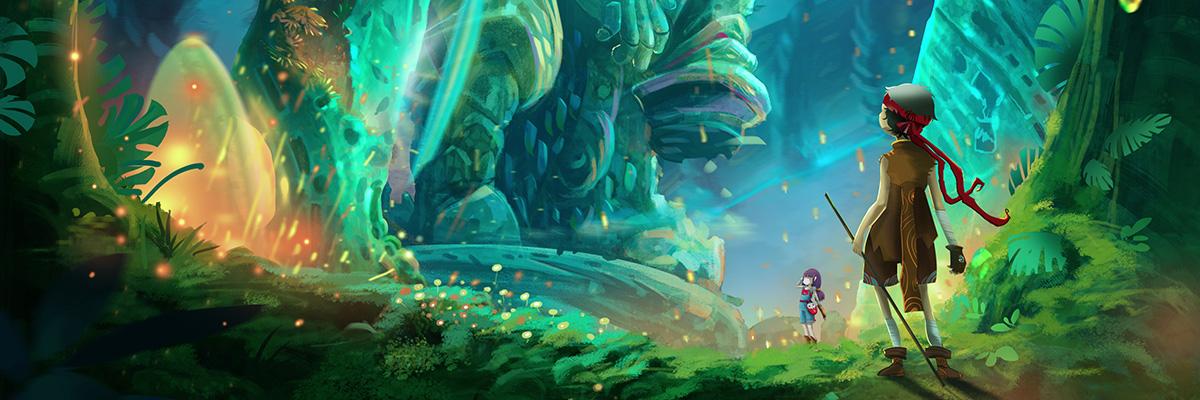
Best Practices for Consistency Across Game Art Assets
creating a visually cohesive brand across game art assets is crucial for establishing a memorable identity. To achieve this, it’s vital to set foundational guidelines that govern every aspect of the game’s visual presentation. By maintaining a consistent style and thematic elements, developers can ensure that players have a unified experience throughout their adventures.
To ensure uniformity, consider implementing the following guidelines:
- Color Palette: Establish a distinct color palette that reflects the game’s mood and tone.This should be documented and referenced consistently across all asset types, ensuring characters, environments, and UI elements harmonize visually.
- Typography: Choose a font or set of fonts that resonate with the game’s theme. Using the same font family for titles,in-game text,and promotional materials can enhance recognition.
- Shapes and Silhouettes: Create a series of recognizable shapes and silhouettes that embody the game’s aesthetic. This can help players quickly identify characters or objects and can be particularly effective for mobile games where quick recognition is key.
Moreover, establishing a comprehensive asset library is essential. This library should include:
| Asset Type | Description | Examples |
|---|---|---|
| Character models | Detailed designs of player characters and NPCs | Hero, Villain, Sidekick |
| Environment Textures | Surface textures for different settings | Forest, Urban, Underwater |
| User Interface Elements | Buttons, icons, and menus | health Bars, Inventory, Skill Icons |
Regular reviews of the asset library can help maintain consistency.schedule design reviews within your team to assess how well the assets align with your established guidelines. By inviting constructive feedback, you can ensure that every addition or modification adheres to the visual standards set at the project’s outset. Additionally, consider creating a mood board or style guide to visually communicate the desired aesthetic, which can serve as a reference point and help reduce misinterpretations about the game’s direction.
it’s worthwhile to document every artistic decision in a shared resource. This will not only facilitate smoother collaboration but also serve as a valuable reference for future projects or expansions. By compiling asset specifications,style reasoning,and submission examples,developers can create a robust repository that informs current and upcoming creative decisions. Such resources will help sustain the visual identity of the game, ensuring that it remains cohesive and true to its original vision.
Future Outlook
as we draw the curtains on our exploration of crafting visual identity through game art, it’s clear that the synergy between artistry and branding is a powerful tool in the ever-evolving landscape of the gaming industry.From the initial spark of inspiration to the final stroke of design, every element contributes to a brand’s persona, resonating with players on a basic level.
By understanding the nuances of color, form, and storytelling, creators can weave intricate narratives that not only captivate audiences but also establish a lasting connection with them. As game art continues to push boundaries, brands have the opportunity to innovate and evolve, forging identities that stand the test of time.
In an era where visual storytelling reigns supreme, investing in a strong visual identity is not just beneficial—it’s essential. Whether you’re an indie developer or part of a larger studio, remember that your art is more than just graphics; it’s the heartbeat of your brand. As you embark on your journey to create compelling game experiences, let your visual identity shine as a beacon that draws players into your unique universe.