
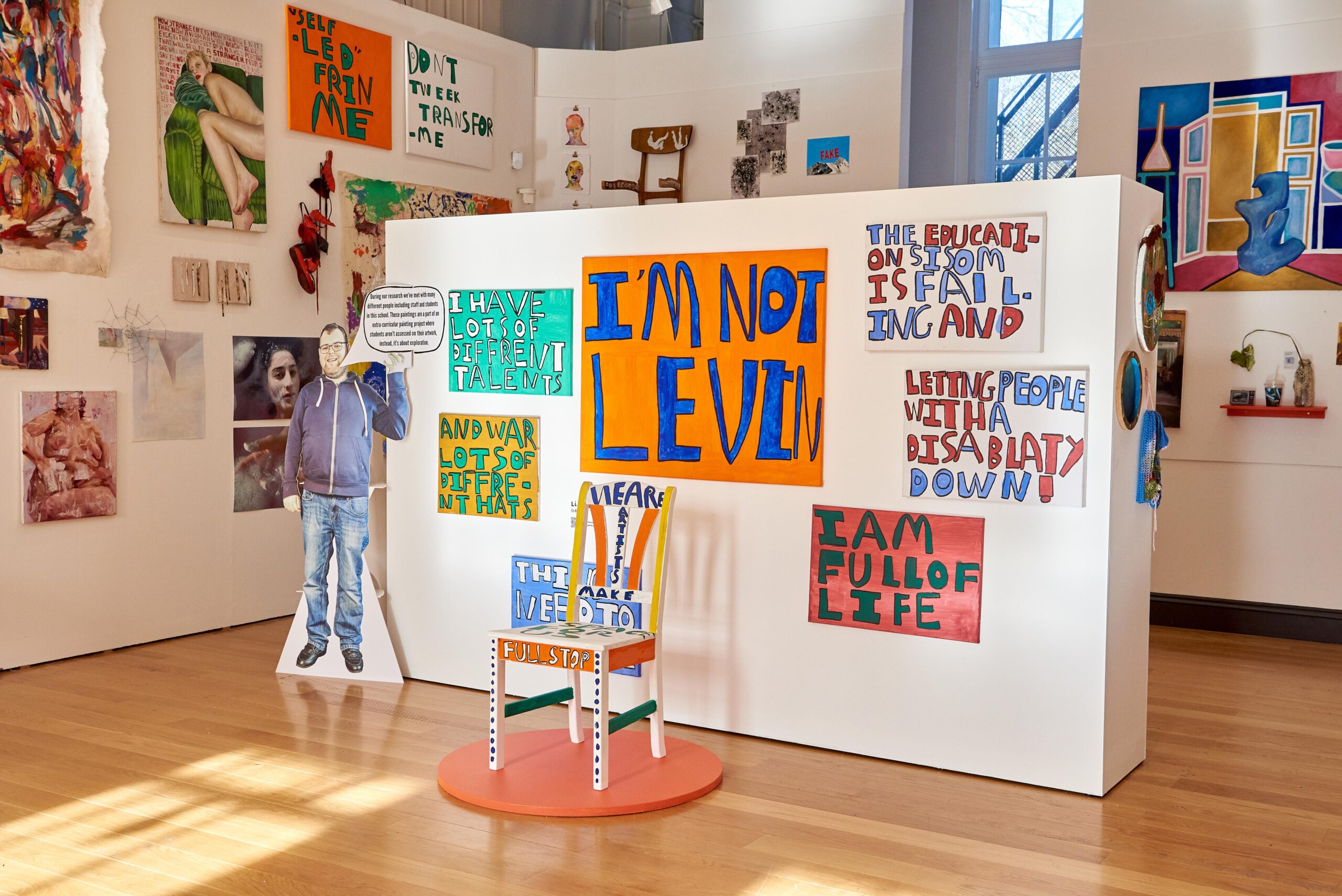
In a world where creativity knows no bounds, the realm of gaming stands at the intersection of technology and art, promising endless adventures and immersive experiences. Yet,the thrill of exploration and storytelling often remains an elusive dream for many. As the industry evolves, a crucial call emerges: too create games that welcome everyone, leaving no player behind. “Art for all: Making Games Accessible Thru Inclusive Art Design” delves into the transformative power of inclusive artistic practices in gaming. By harnessing diverse perspectives and embracing innovative design strategies, we can tear down barriers and forge a gaming landscape that is not only visually captivating but also universally approachable. Join us as we explore how the art of games can be reimagined to reflect a broader spectrum of human experience, ensuring that every player, regardless of ability, can join in the adventure.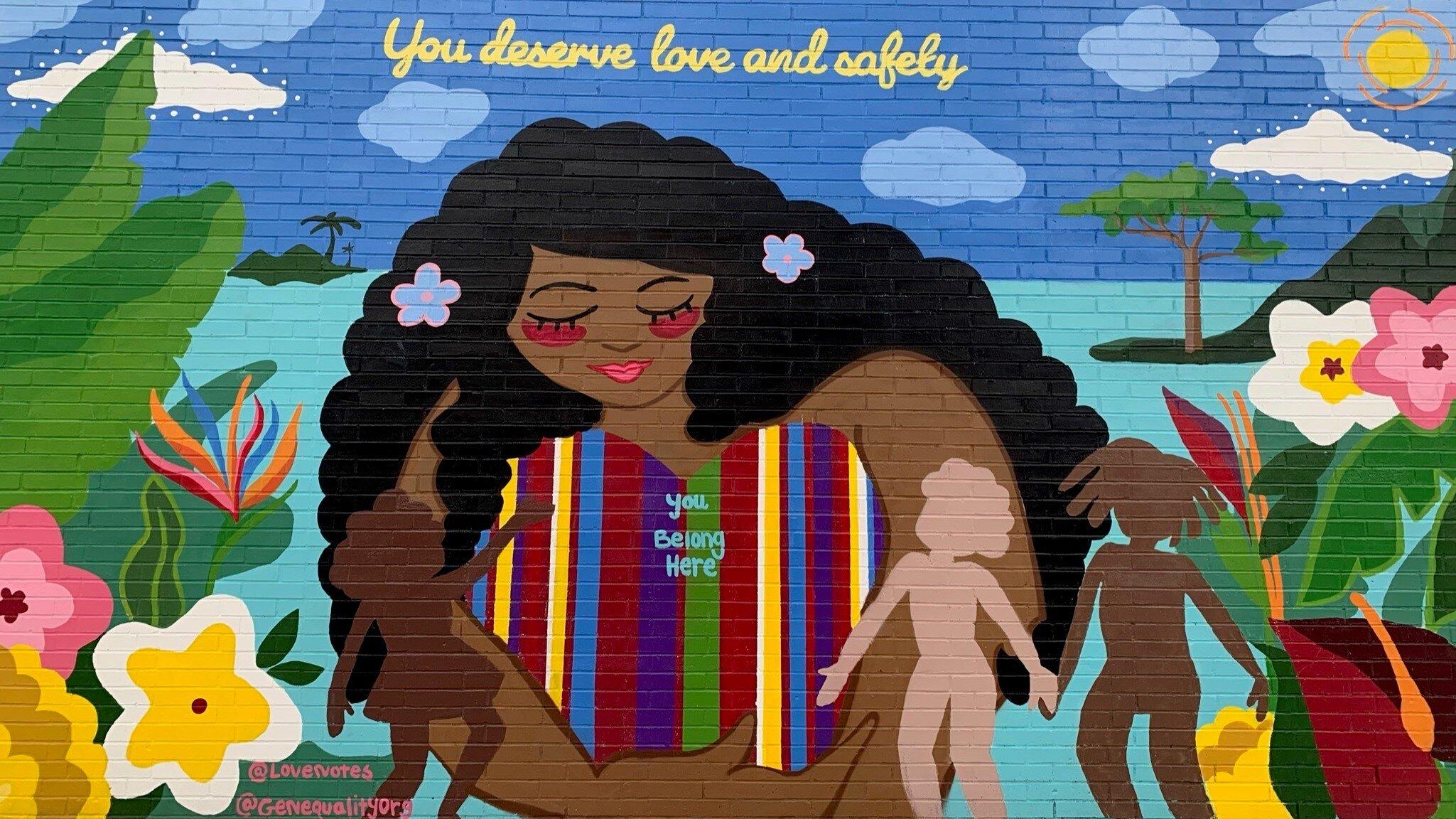
Embracing Diversity: The Importance of Inclusive Art in Game Design
In a world where representation matters more than ever, the role of art in game design has never been more critical. Inclusive art not only broadens the scope of storytelling but also allows diverse audiences to see themselves within the games thay play. Embracing varied cultural perspectives, artistic styles, and personal experiences can lead to richer environments and compelling narratives that resonate with a broader player base. When game developers prioritize inclusive art, they create a mosaic of experiences that connect players in novel ways, fostering community and understanding.
One significant aspect of inclusive art is its ability to challenge stereotypes and break down barriers. By showcasing a multitude of identities—be it race, gender, or disability—games can subvert customary tropes that have long dominated the industry. This not only enhances the storytelling but also allows players from diverse backgrounds to feel valued and acknowledged. An effective approach involves the following:
- Collaboration with Diverse Artists: Bringing onboard artists from various backgrounds ensures authenticity in representation.
- inclusive Design Workshops: Hosting workshops with diverse communities helps in gathering direct feedback and inspiration.
- Focus on Accessibility: Art design should consider visual impairments, incorporating high-contrast colors and clear symbols.
Moreover, the integration of cultural elements in art can transform a game into a celebration of global diversity. Artistic choices such as color palettes, architectural designs, and character aesthetics can draw upon rich histories, unique folklore, and traditional practices. This not only enriches the gameplay but also educates players about different cultures. By carefully blending these elements, developers can create an immersive experience that encourages thankfulness and respect for diversity.
To illustrate the impact of inclusive art, consider the following comparative table that represents two different artistic approaches in game design:
| Traditional Approach | Inclusive Art approach |
|---|---|
| Limited representation of characters, often based on stereotypes. | Broad representation of characters from various cultures and backgrounds. |
| Uniform art style that doesn’t cater to diverse preferences. | Eclectic art styles inspired by different cultural narratives, enhancing visual appeal. |
| Gameplay often centered on familiar tropes and settings. | Innovative gameplay that explores unique stories from around the globe. |
Ultimately, incorporating inclusive art in game design transcends entertainment—it’s a movement towards equity and respect in a medium that has the power to shape perceptions. When artists and developers come together to create authentically diverse experiences, they do more than craft games; they pave the way for understanding across different cultures, showcasing the beautiful spectrum of human experience. As the industry grows, so too should its embrace of inclusivity, recognizing that the diversity of art can lead to a brighter, more connected gaming world.
Understanding Unique Needs: A Dive into Accessibility Challenges
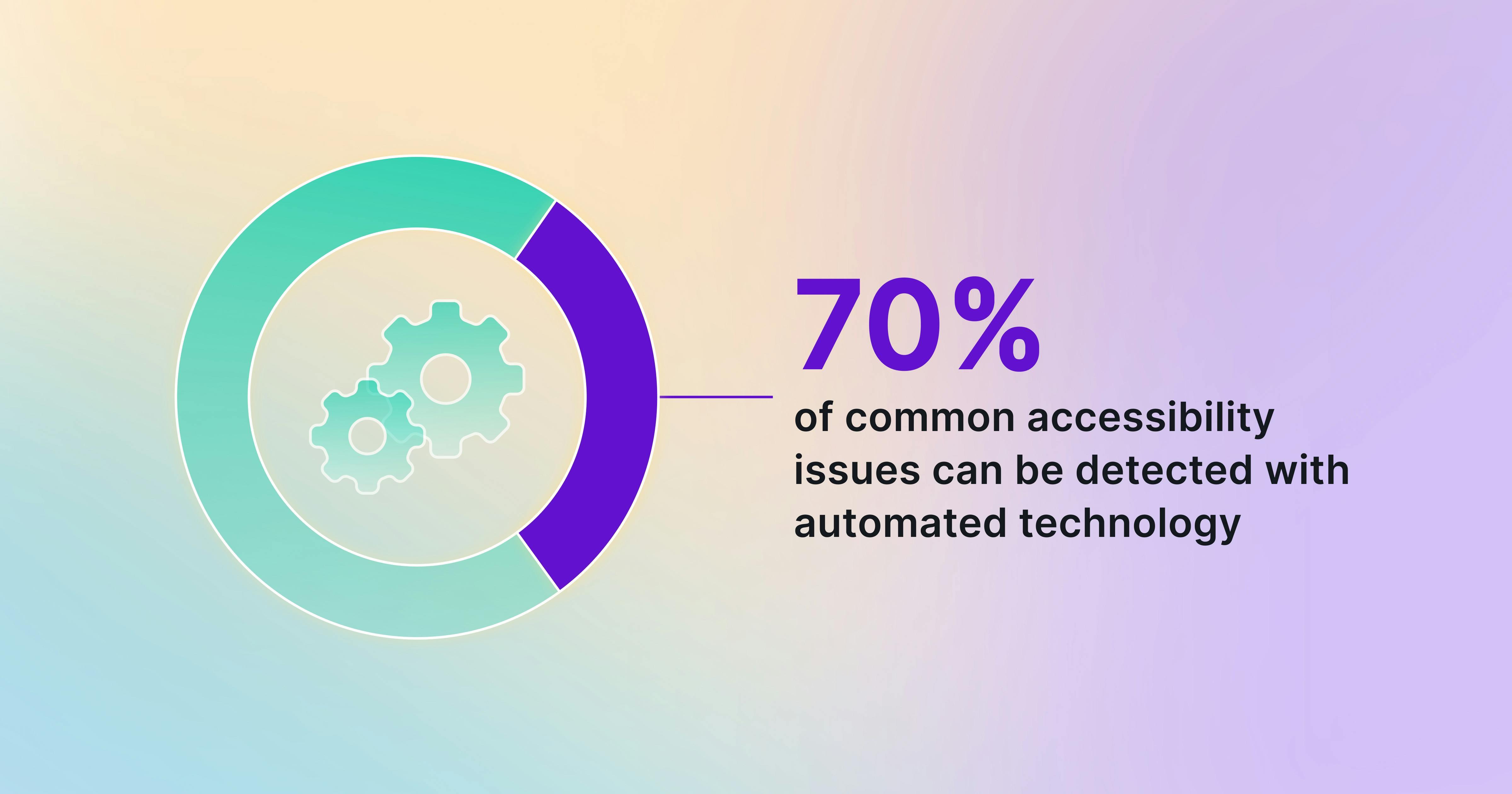
Creating an inclusive gaming environment means understanding the diverse spectrum of accessibility challenges that players encounter. these challenges often stem from various components, including physical, cognitive, and sensory barriers that affect gameplay experience. For artists and designers in the gaming industry, navigating these complexities requires a commitment to empathy and innovation.
One significant area to focus on is visual accessibility. Players with visual impairments face challenges that require careful consideration in game art design. As an example:
- Utilizing high-contrast colors to aid visibility.
- Employing clear icons and typography for readability.
- Adding descriptive audio cues to enhance understanding of game elements.
Addressing these points can enable an enriching experience for players who rely on visual aids or who are colorblind. Designers can consult with accessibility experts and collaborate with affected communities to ensure their games offer sufficient options for character design, HUD customization, and environmental cues, making gaming more equitable.
Cognitive accessibility is another vital consideration. games that feature complex mechanics or narratives may alienate players with cognitive disabilities.To mitigate this, developers can:
- Provide tutorial levels that gradually introduce new concepts.
- Incorporate simple language and instructions within the game.
- Offer adjustable difficulty settings to cater to varying skill levels.
These adjustments ensure that the game’s challenges do not hinder a player’s enjoyment and engagement. By creating user-pleasant design, developers can foster a space where every player feels competent and valued.
Sensory challenges, particularly auditory ones, can also interfere with gameplay. Instead of defaulting solely on audio cues, it’s crucial to provide options for non-auditory feedback.Implementing:
- visual signals for critical game events or alerts.
- Vibration or haptic feedback as an alternative to sound notifications.
- Subtitles and visual representations for in-game dialogues.
This multi-faceted approach to accessibility in gaming art design creates a more welcoming atmosphere,allowing individuals to engage with the content in a manner that suits their unique needs.
to better encapsulate the various challenges and potential solutions, the following table summarizes key points regarding accessibility considerations:
| Accessibility Challenge | Design Considerations |
|---|---|
| visual Impairments | High contrast, clear icons, audio descriptions |
| Cognitive Challenges | Tutorials, simple instructions, adjustable difficulty |
| Sensory Impairments | Visual alerts, haptic feedback, subtitles |
Through a extensive understanding of these dimensions, game designers can craft products that are not only enjoyable but also accessible to as wide an audience as possible. Emphasizing the importance of inclusive design practices can truly change the landscape of gaming, allowing for a rich tapestry of voices and experiences to flourish. This endeavor, though complex, fosters engagement, creativity, and ultimately, an art form that belongs to all.
design Principles for All: Creating Universally Enjoyable Visual Experiences
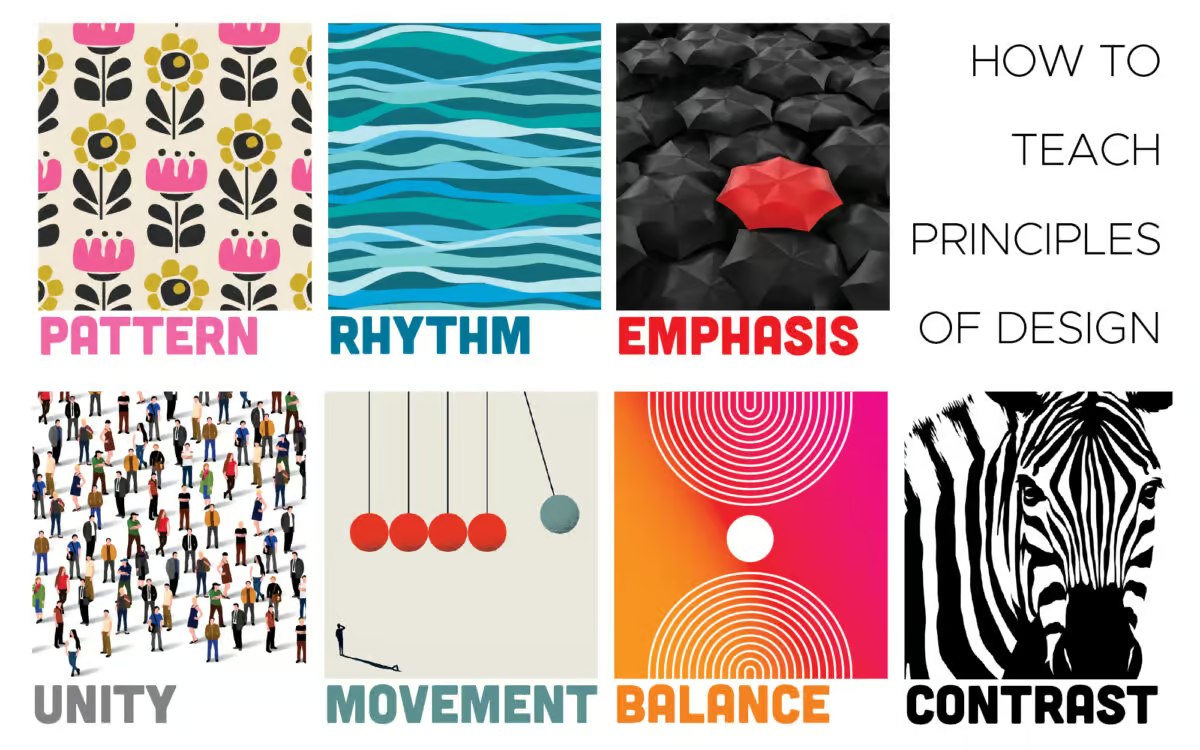
Creating visually appealing experiences that resonate with everyone requires a thoughtful application of design principles tailored to diverse audiences. Inclusivity should be at the forefront of art design in games, ensuring that all players—regardless of ability, age, or background—can engage fully. To achieve this, designers may implement several critical guidelines.
- Contrast and Color accessibility: Utilizing colors with high contrast ensures that all players can distinguish between elements. Incorporating tools and resources, like the WebAIM contrast checker, helps in achieving optimal readability.
- Clear Iconography: The use of recognizable symbols made simple and intuitive can aid comprehension. Avoiding ambiguous visual cues allows players to navigate without confusion.
- Responsive Design: Embracing a flexible structure that adapts to different screen sizes ensures an enjoyable experience across devices. This encompasses not only aesthetics but also functionality for players using assistive technologies.
Providing options enhances user experience considerably. Customization tools allow players to adjust visuals to their preferences, such as:
- Text Size: Offering scalable text ensures readability for all.
- Color Schemes: Allowing players to select their preferred color palettes can make a world of difference for those with color vision deficiencies.
- Animation Control: Enabling options to reduce or eliminate motion can cater to those sensitive to movement or suffering from motion sickness.
In addition to aesthetic considerations, the overall layout and flow of visual elements play a crucial role in accessibility. A coherent visual hierarchy helps organize information logically, where players can easily focus on essential components. Implementing progressive disclosure—revealing information as players advance—saves them from information overload, guiding their experience intuitively.
Furthermore, offering multiple forms of feedback can enhance engagement and understanding. Visual notifications, audio cues, and haptic feedback provide a rich tapestry of signals that cater to different sensory preferences. Consider the following elements of feedback:
| Feedback Type | Description |
|---|---|
| Visual Indicators | Use of flashing icons or color changes to signify key actions. |
| audio Alerts | sound cues that accompany achievements or warnings enhance awareness. |
| Vibration Feedback | Haptic responses during critical events create a tactile layer of interaction. |
Ultimately, the goal is to foster a unifying atmosphere where creativity knows no bounds, allowing players to traverse the game’s environment with ease. By adhering to these principles, designers can create immersive worlds that invite everyone to participate, making sure that art, in all its forms, becomes a shared space. When inclusion becomes a foundational element of design, it not only enriches the gaming experience but also broadens its audience, reflecting society’s diverse tapestry.
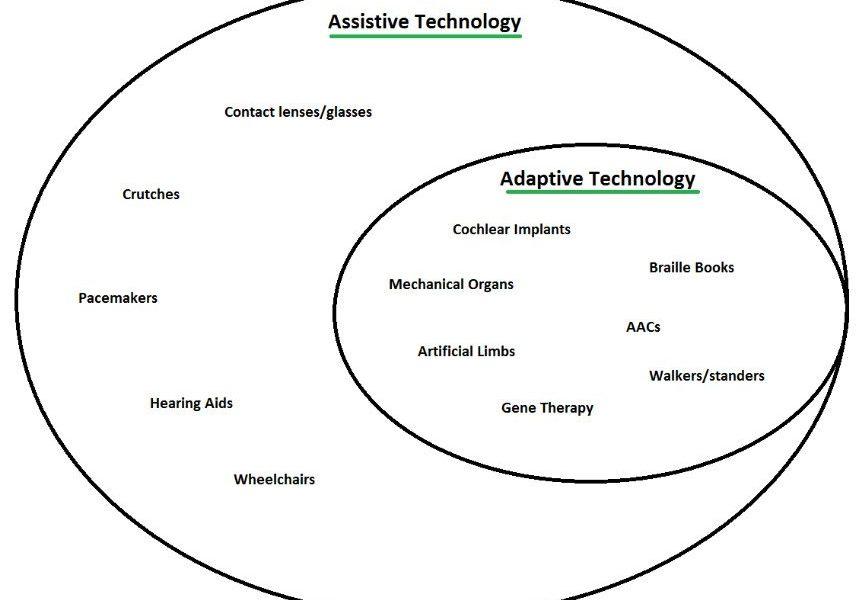
Adaptive Techniques: Innovative Art Strategies for Enhanced Inclusion
In the realm of game design, creating inclusive art that caters to a diverse audience is essential. By adopting adaptive techniques, artists and developers can pioneer innovative strategies that ensure every player can engage meaningfully with their creations. These techniques revolve around understanding varied needs and preferences,promoting accessibility at every visual touchpoint.
One basic aspect is the use of color contrasts and palettes. Designing art that accommodates players with visual impairments can be achieved through careful selection of colors that stand out against one another. Utilizing high contrast color combinations not only enhances visibility but also enriches the overall aesthetic of the game. Techniques include:
- Implementing colorblind-friendly palettes to serve a broader audience.
- Testing color schemes in various lighting conditions to ensure consistency.
- Using patterns and textures along with color to convey information.
Moreover, iconography and imagery play a significant role in enhancing inclusion.Icons should be simple, easily recognizable, and convey their meanings without relying solely on visual cues.Players with cognitive disabilities or language barriers benefit immensely from clear visual dialog. Simple adjustments can make a world of difference:
- Utilizing universal symbols that are consistent across different cultures.
- Incorporating animations that provide additional context or narrative without needing text.
- Allowing players to customize their interface, including resizing icons or changing their layout for optimal comfort.
| Adaptive technique | impact on Inclusion |
|---|---|
| Color Contrast Adjustments | Improves visual clarity for players with low vision. |
| Simple Iconography | Facilitates easier navigation, especially for diverse audiences. |
| Customizable UI | empowers players to tailor their experience to personal needs. |
| Audio-visual Sync | Supports individuals with hearing and visual impairments together. |
Furthermore, the integration of multimodal feedback—the use of audio, visuals, and haptics—can significantly enhance engagement. By providing different sensory experiences,players receive multiple cues about their actions in the game. This approach ensures that players who may struggle with one form of feedback are supported by another. for example:
- Utilizing sound effects that complement in-game actions, allowing auditory learners to thrive.
- Adding vibrations to convey special gameplay events, crucial for players who are deaf or hard of hearing.
- Providing visual feedback alongside auditory signals to reinforce understanding.
Ultimately, the goal of adaptive techniques is to dismantle barriers that exclude players from experiencing the joys of gaming.By embracing innovative art strategies,designers can craft immersive worlds that welcome everyone—regardless of ability—into the fold. This commitment paves the way for a richer gaming landscape, where creativity flows seamlessly through an inclusive and inspired approach to art design.
Community Engagement: Collaborating with Diverse Artists and Players
In an era where inclusivity has become a fundamental pillar of creative expression, collaborating with diverse artists and players presents a unique chance to enrich the gaming experience. By bringing together voices from different backgrounds, we not only expand our artistic horizons but also forge stronger connections within the community. These collaborations often break down stereotypes and showcase the richness of individuality through art,making for a more immersive gaming experience.
Engagement with a wide array of artists opens the door to a multitude of perspectives that can shape game narrative and design. For example, incorporating the art styles of various cultures can lead to visually stunning environments that resonate with players from different walks of life, allowing them to see themselves reflected within the game.This meaning is not only aesthetic but also profoundly impactful, fostering a sense of belonging and representation that many players crave. Key strategies for fostering this collaboration include:
- Workshops and Collaborative Design Sessions: Hosting community workshops where artists and players can brainstorm together encourages an exchange of ideas that can lead to innovative designs.
- Mentorship Programs: Pairing emerging artists from underrepresented backgrounds with industry veterans creates a supportive circle of learning and creativity.
- Inclusive Advancement Teams: Assembling diverse teams not only in art but across gameplay mechanics and narrative design can lead to richer storytelling and gameplay experiences.
Not all games communicate their stories the same way, and for players from different backgrounds, the language of art can speak volumes. By highlighting artists from diverse cultures, games can utilize unique motifs and symbols that resonate deeply with various audiences. An understanding of tradition versus modern influences allows game creators to mesh contemporary relevance with ancient wisdom, forging a connection that transcends mere entertainment.
To illustrate how collaborative efforts yield results, consider implementing a simple table showcasing ongoing engagement initiatives:
| Project Name | Artist/Group | Focus Area | Status |
|---|---|---|---|
| Cultural Colors | local Art Collective | environment Design | Ongoing |
| Voices of the Game | Storytellers Guild | Narrative Development | Planned |
| Soundscapes from Around the World | Diverse Musicians | Sound Design | Completed |
Through these engagements, it’s clear that collaboration isn’t just a means to an end; it is indeed a creative journey that allows us to celebrate diversity in a meaningful way. Whether through storytelling, artistic representation, or gameplay mechanics, everyone’s voice can play a pivotal role in shaping an inclusive gaming landscape. The power of community lies not only in participation but in shared creation, and as game developers and players unite, we move closer to a world where art is truly for everyone.
Measuring Impact: Assessing the Effectiveness of Inclusive Art Design in Games
Inclusive art design in games extends beyond mere aesthetics; it actively shapes the gaming experience for diverse audiences. To measure the impact of these design choices, one must consider a variety of factors that contribute to accessibility and user engagement. Researchers and developers alike can utilize a framework that encompasses both qualitative and quantitative assessments to better understand how inclusive design influences gameplay and player satisfaction.
Qualitative Assessments
Engaging with players directly provides invaluable insights into their experiences. Focus groups and interviews can be conducted to gather personal narratives surrounding inclusive art design. Key themes to explore include:
- User Experience: How do players feel about the representation of diverse characters and environments?
- Emotional Connection: Do inclusive design choices evoke empathy or a sense of belonging?
- Barriers and accessibility: What challenges do players with disabilities face when interacting with game art?
Collecting this qualitative data allows developers to adapt and refine their visual approaches, ensuring that the art resonates with the intended audience while also making necessary improvements to accessibility features.
Quantitative Metrics
While stories and feedback are essential, numerical data can provide a more structured overview of impact. by employing metrics such as:
- Engagement Rates: Monitoring how many hours players spend in a game or specific scenes can highlight effective art design.
- Player Retention: Analyzing drop-off points can indicate where players might feel less connected or included.
- Accessibility Ratings: utilizing established guidelines, such as the Web Content Accessibility Guidelines (WCAG), can give developers a clear metric to aim for.
These elements, when combined, provide a comprehensive view of how inclusive art designs impact player behavior and satisfaction over time, lending support to the business case for such practices.
Examples of Effective Inclusive Design
| Game Title | Inclusive Design Feature | Impact Assessment |
|---|---|---|
| The Last of us Part II | Diverse character representation | Increased player retention and positive feedback from marginalized communities |
| Celeste | Customizable accessibility options | Broad demographic engagement and accolades for inclusivity |
| Forza Horizon 4 | Adaptive controller support | Enhanced satisfaction ratings from gamers with disabilities |
The above examples illustrate how intentional design can not only enhance gameplay but also foster a deeper connection with the player base. By analyzing such case studies, developers can benchmark their own efforts and adapt proven strategies to suit their game worlds.
Shaping Future Innovations
Embracing inclusive art design in games is an ongoing journey, requiring continuous feedback loops and adaptation. As technology evolves, opportunities for new immersive experiences grow, paving the way for innovative and inclusive design solutions.
Using a combination of qualitative insights and quantitative evaluations helps to create a more nuanced and impactful understanding of inclusive art design’s effectiveness. This collaborative approach not only enhances player experience but also promotes a richer gaming landscape, ultimately leading to a more inclusive community.
The Conclusion
the journey toward inclusive art design in gaming is not just a noble aspiration; it’s an essential evolution in the way we interact with digital worlds. By prioritizing accessibility and embracing diverse artistic expressions, we create a richer tapestry that welcomes all players, regardless of their backgrounds or abilities. As we continue to innovate and challenge traditional narratives, let us remember that art—and gaming—should be a universal language, a bridge that connects hearts and minds from all walks of life. With every stroke of the brush and pixel placed, we have the power to craft experiences that resonate deeply and empower players to share their unique stories. Together, let us commit to a future where art is truly for all, inspiring collaboration, empathy, and understanding in the vibrant universe of gaming.