
In the vibrant world of digital art, few styles capture the creativity quite like anime. With its expressive characters,dynamic poses,and distinctive aesthetics,anime has become a cornerstone not just in animation but also in the realm of video game design. Whether you’re aiming to create an iconic hero destined to save the day or a quirky sidekick teeming with personality, mastering the art of drawing anime-style game characters can elevate your creative endeavors. This guide will take you thru the essential techniques, from understanding foundational shapes and anatomy to infusing your characters with unique traits that bring them to life. Grab your sketchbook, unleash your creativity, and let’s embark on an artistic journey that celebrates the fusion of animation and gaming.
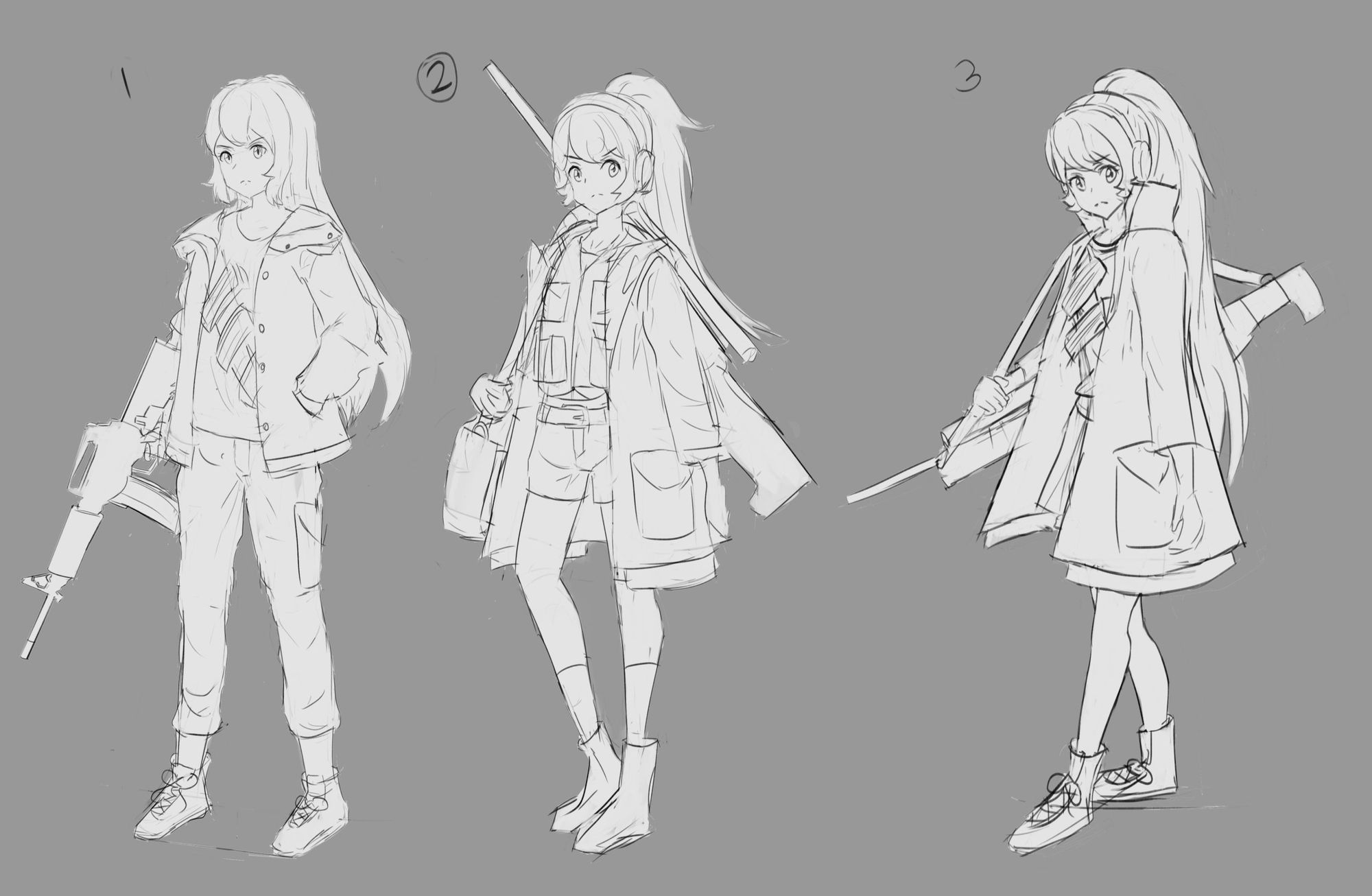
Understanding Anime Aesthetics and Proportions
To master the art of drawing anime-style game characters, it is indeed essential to grasp the unique aesthetics and proportions that define the genre. Anime often employs exaggerated features and expressiveness, making character design more vivid and engaging. Key elements to focus on include:
- Facial Features: The large,expressive eyes are crucial in anime,conveying emotions that resonate with viewers. Keep the width of the eyes approximately one-third the width of the face for balance.
- Head Proportions: A common approach is to use a head-to-body ratio of 1:7 or 1:8, with the head being slightly larger, especially in chibi styles. This helps to evoke a sense of youth and cuteness.
- Body Language: Exaggerated poses and dynamic angles breathe life into your characters. Remember to focus on the flow of lines to create movement that mirrors the action of a game.
In addition to these foundational aspects, the use of color and style enhances character depth.Anime employs vibrant color palettes and unique shading techniques. Consider these tips:
- Color Theory: Use complementary colors to make characters pop against their backgrounds. This also helps to emphasize character attributes and emotional states.
- Shading Techniques: Opt for cel shading for a more graphic look or soft shading for a smoother appearance. Experimenting with gradients can add a three-dimensional feel.
- Character Silhouettes: A strong silhouette is vital for recognition. Distinct outlines,influenced by the character’s personality and role within the game,can be effective in capturing the audience’s attention.
| Aspect | Anime Style | Game Style |
|---|---|---|
| Character Design | Exaggerated features | Realistic proportions |
| Color Palette | Vibrant and saturated | Muted and subtle |
| Detail Level | High on focal points | Balanced across the character |
Crafting Dynamic Poses and Expressions
- Line of Action: Establish a strong line of action that flows through the character’s body for more dynamic poses. This helps create a natural sense of movement.
- Exaggeration: Emphasize key features or actions. For example, if a character is excited, their pose might stretch upwards or their arms could be wide open.
- Weight Distribution: Pay attention to how weight is distributed in your character’s stance. A balanced pose can appear stable, while a pose with more weight on one side suggests action or tension.
- Three-Dimensionality: Use foreshortening and perspective to give depth to the character. this can make the pose more engaging and visually engaging.
- Facial Expressions: Combine poses with facial expressions that match the character’s emotions. A fierce pose with a wide grin can portray confidence, while a slumped figure with a frown might suggest defeat.
To further refine your character’s appearance, it is beneficial to study real-life references or observe how professional artists approach character design. Consider creating a mood board with examples of poses and expressions that resonate with you. You might find it helpful to break down the distinct elements of these references through sketches or digital thumbnails. Here’s a simple comparison table to guide you on common expressions:
| Expression | Pose Type | Character Emotion |
|---|---|---|
| Joy | Arms raised, slight tilt of the head | Happiness or Excitement |
| Anger | Arms crossed, feet planted firmly | Frustration or Defiance |
| Surprise | Wide-eyed, hands covering mouth | Shock or Awe |
| Sadness | Slumped shoulders, head downturned | Melancholy or Disappointment |
Lastly, always remember to practice regularly. The more you study the nuances of poses and expressions, the more intuitive the process will become. Try creating a variety of characters in different states of action or emotion, and don’t shy away from experimenting with unconventional poses—they can frequently enough lead to the most exciting results. As you refine your techniques, focus on not just how a character looks but how they connect with the observer through their dynamic presence and emotional range.
Mastering Facial Features and Hairstyles
When it comes to creating anime-style game characters, capturing the essence of facial features is essential. The charm of anime lies in its exaggerated expressions and striking traits. Start by defining the eye shape; large, expressive eyes can convey a multitude of emotions, while smaller, more subtle designs suggest calmness or mystery.consider variations in eyebrow shapes, which can drastically alter the character’s appearance and personality. Sharp, angular brows may suggest intensity or anger, whereas soft, round brows can evoke warmth and friendliness. Additionally,pay attention to the mouth,as different styles can communicate a range of feelings — from a simple line for seriousness to a wide smile that radiates joy. Practicing these features will help you to develop a unique style that stands out.
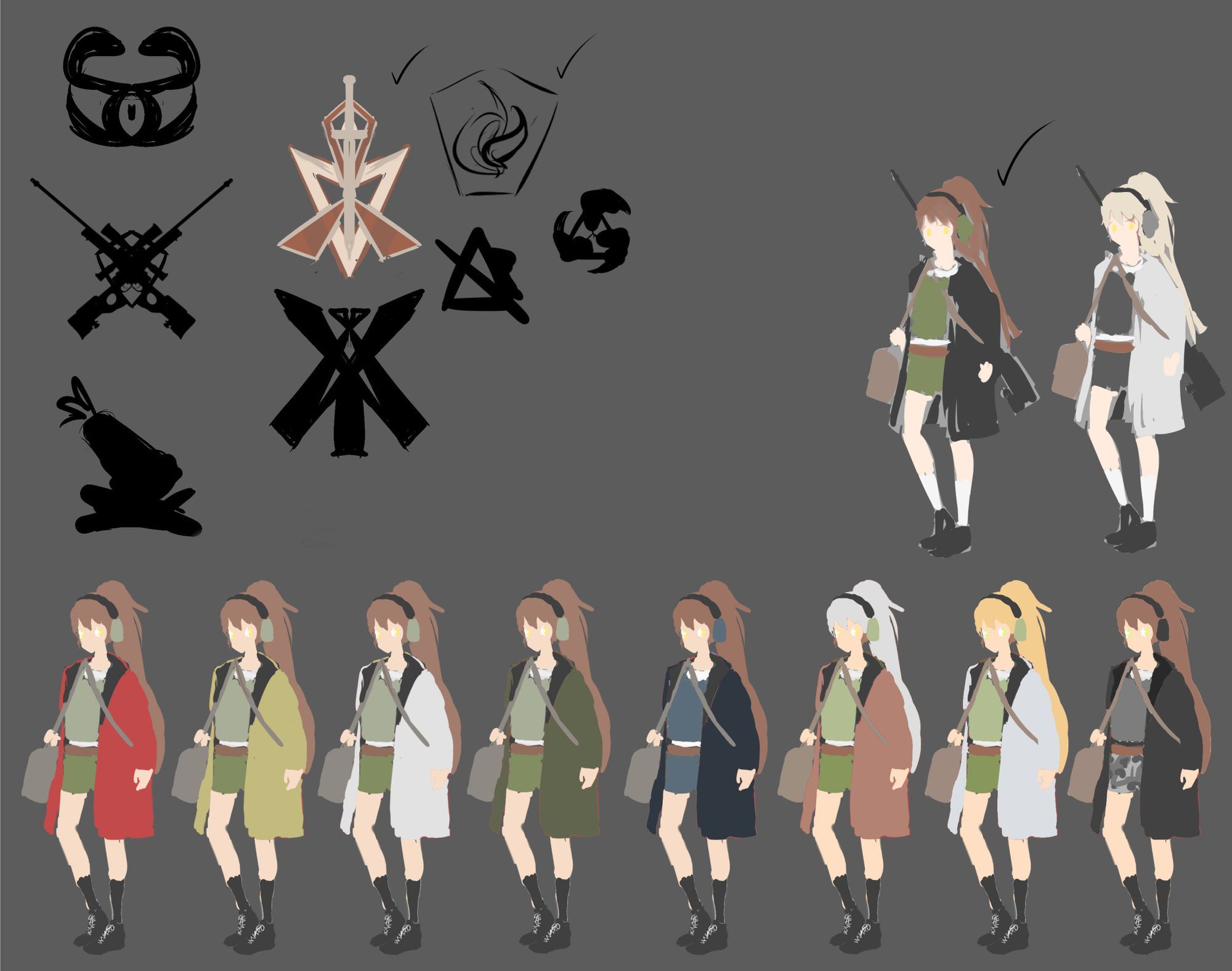
Equally critically important is mastering hairstyles,which play a pivotal role in character identity.Different hair shapes and colors can symbolize various traits or even backgrounds. Such as, flowing locks can denote elegance, while spiky hair might suggest a rebellious spirit. think about incorporating elements like bangs or side-swept hair to add depth and character to your designs. Don’t shy away from creative colors; using unconventional shades can make your character memorable. To visualize these elements, consider referencing the following table, which outlines popular hairstyles and their associated traits:
| Hairstyle | Traits |
|---|---|
| Long & Flowing | Elegance, tranquility |
| Spiky | Rebellious, energetic |
| Bob Cut | Modern, confident |
| Short & Messy | Casual, easy-going |
| Curly | Playful, lively |
Creating balance between facial features and hairstyle is crucial for your character design. Experiment with combinations of shapes, colors, and styles to discover what resonates best with your vision. Don’t forget that accessories,such as headbands or hairpins,can complement your character’s look and add an extra layer of depth. Remember to keep the overall aesthetic cohesive; the facial features should harmonize with the hair to create a unified appearance. By continually refining your technique and exploring diverse styles, you’ll unlock the potential to bring your anime characters to life with distinctive personalities and styles, making your artwork truly unique.
Selecting and Applying Color Schemes
| Color | Usage | Notes |
|---|---|---|
| Primary color | body and Clothing | main focus of the design |
| Secondary Color | Hair and Accessories | Adds contrast and interest |
| Accent Color | Eyes and Tattoos | Highlights character traits |
Incorporating Unique Accessories and outfits
When it comes to breathing life into your anime-style game characters, the incorporation of unique accessories and outfits can make all the difference. These elements not only define the character’s personality but also establish their role in the game. Start by considering the character’s background and traits, then select accessories that enhance their story. Hats, scarves, belts, and jewelry can convey much about a character’s environment and experiences. For instance, a character from a mystical forest may sport nature-inspired accessories, like leaf-patterned shoulder armor or a necklace made from stones. Similarly, a futuristic hero might don sleek goggles or tech-laden wristbands to reflect their high-tech surroundings.
next, think about layering and color schemes to create visually appealing outfits that stand out. Each piece should contribute to the character’s overall look while supporting a coherent theme. Here are some outfit elements to experiment with:
- Layered clothing: Use multiple layers to add depth, such as a tunic over a fitted shirt or a cloak draping from the shoulder.
- Textured materials: Incorporate different fabrics like leather, silk, or denim to give a tactile dimension to your character.
- Contrasting colors: Use complementary colors to create visual interest and emphasize certain features.
To visualize your ideas, consider this simple reference chart for accessories based on character types:
| Character Type | Suggested Accessories | Color Palette |
|---|---|---|
| Hero | Cloak, gloves, boots | Bold reds, blues, golds |
| Villain | Chains, spikes, dark armor | Deep blacks, purples, dark greens |
| Sidekick | Backpack, utility belt, quirky hats | Pastel colors, bright accents |
Let your imagination run wild and don’t shy away from combining unexpected elements. A whimsical character might pair a flowing dress with combat boots and oversized glasses, while a stoic warrior could sport intricate tattoos along with customary armor. Accessories should serve as both embellishments and storytelling tools that reveal aspects of your character’s journey. As you design, keep iterating on how different combinations can create unique silhouettes and impressions that resonate with the game’s atmosphere. Ultimately, crafting distinctive outfits and accessories transforms your characters into memorable icons within the anime game universe.
In Summary
As we wrap up this journey into the vibrant world of anime-style game character design, it’s essential to remember that each stroke of your pencil or click of your mouse brings you one step closer to unlocking your unique artistic voice. Embrace the techniques you’ve learned, but don’t hesitate to experiment and explore your creativity—after all, art thrives in the realm of individuality and innovation. Whether you’re crafting a noble hero, a mischievous villain, or a whimsical sidekick, let your characters reflect the stories waiting to be told. So, grab your tools, let your imagination run wild, and dive headfirst into the exhilarating world of anime art. Your next masterpiece is just a sketch away! Happy drawing!