
As we stand on the brink of a new era in digital interaction, the aesthetics of video games soar toward unprecedented heights, reflecting the rapid evolution of technology and artistic vision. Achieving hyper-realism and immersive worlds has long been the goal, but 2026 beckons with a promise of innovation that straddles the line between reality and fantasy. From the delicate brush strokes of hand-painted textures to the bold experiments with abstract representations, the landscape of game visuals is transforming. This article delves into the prevailing trends that are shaping the future of game art—examining the influence of advancements in artificial intelligence, the renaissance of stylized graphics, and the growing importance of environmental storytelling. Join us as we explore how these movements are not only redefining how games look but also how we experience and interact with them, setting the stage for the next generation of interactive art.
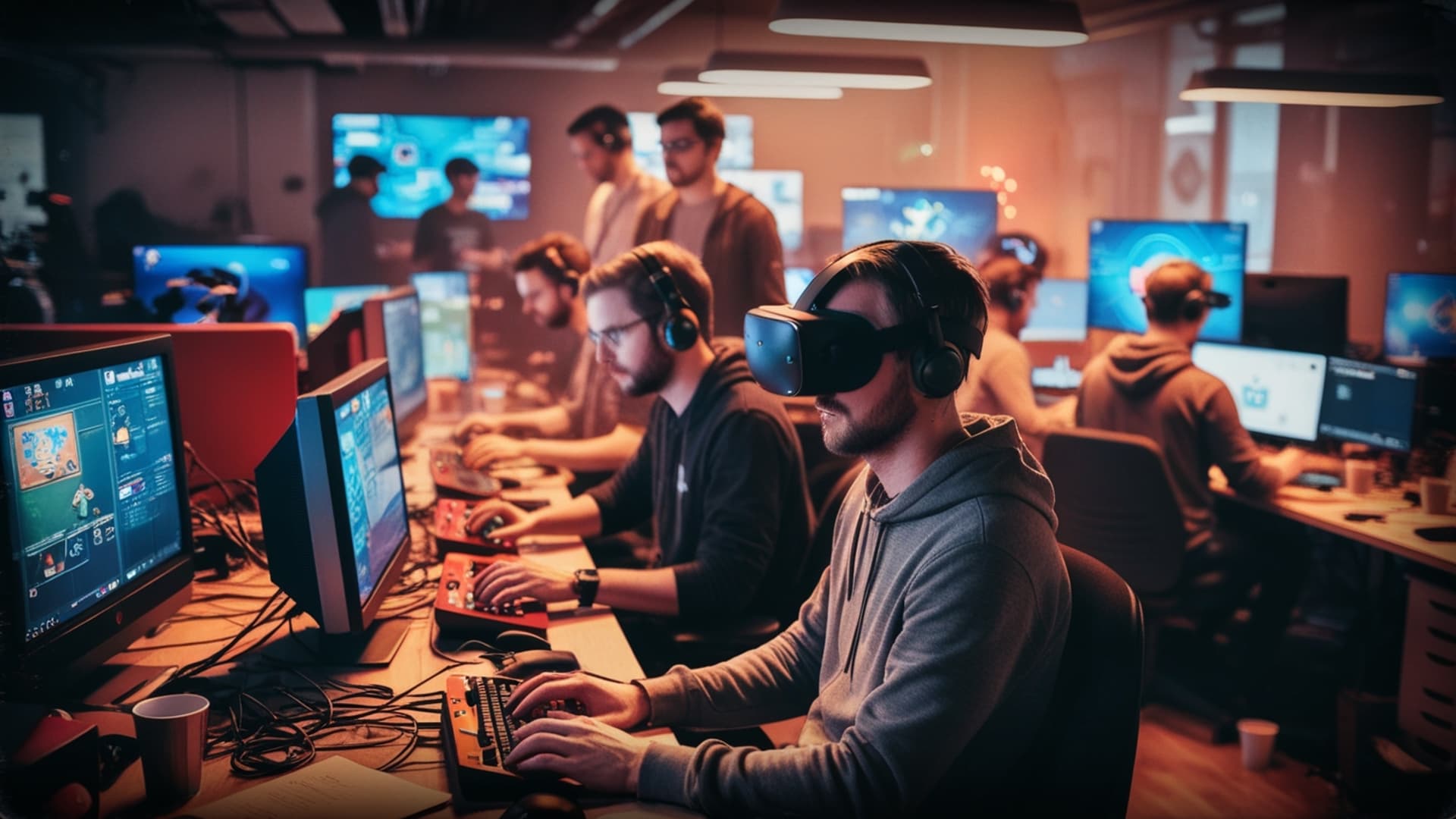
The Rise of Photorealism: Pushing the Boundaries of Realistic Environments
In recent years, the gaming industry has witnessed a remarkable conversion with the advent of photorealism, a visual trend pushing the boundaries of how realistic environments can appear. This artistic movement draws inspiration from the intricate details found in the real world, merging cutting-edge technology with meticulous craftsmanship to create stunningly lifelike visuals. The advancements in graphics processing units (GPUs) and rendering techniques have played a pivotal role in elevating game graphics to new heights. Designers now harness the power of ray tracing, global illumination, and physically-based rendering to replicate the complexities of light and shadow, breathing life into virtual landscapes.
Moreover, photorealism is not merely about visual fidelity; it also aims to evoke deep emotional connections with players through immersive experiences. The meticulous attention to detail, such as accurately modeled flora and fauna, realistic weather effects, and dynamically simulated physics, turns mere gameplay into a fully realized world.Game developers are focusing on the following core aspects to amplify this movement:
- Texture Quality: High-resolution textures that mimic real-world materials.
- dynamic Lighting: Refined lighting models that change with time and environment.
- Complex Physics: Simulated interactions that reflect real-world behavior.
- Environmental storytelling: Details that hint at a deeper narrative through the setting.
As developers strive for unprecedented realism, the line between the virtual and the actual continues to blur, captivating players and setting new benchmarks for future games.
Embracing Stylization: The Art of Unique and Expressive Game Worlds
- Surreal Landscapes: Game worlds that blur the line between reality and fantasy, allowing players to explore realms that defy the laws of physics.
- Art Movements Inspired Design: Drawing inspiration from movements such as Impressionism or Cubism, giving games a distinctive visual narrative.
- Hand-Drawn Aesthetics: A return to handcrafted elements that imbue personality and charm into every frame.
- Interactive Art Styles: Environments that change dynamically based on player actions, making personal choices a part of the visual storytelling.
This journey towards stylization intertwines creativity with technology, giving rise to new tools that empower developers to push boundaries. The use of real-time lighting engines and advanced shaders allows for dynamic environments that mirror the mood and tone of gameplay, providing a more profound connection to the narrative. The resurgence of retro aesthetics also plays a role; pixel art and low-poly designs evoke nostalgia while accommodating modern gaming sensibilities. As the digital canvas expands, diverse sources of inspiration emerge, leading to a fusion of art and technology that can be categorized as follows:
| Aspect | Description |
|---|---|
| Color Theory | Utilizing contrasting colors to evoke specific emotions or atmospheres. |
| Geometric Shapes | Incorporating simple geometric forms to create aesthetically pleasing designs. |
| Motion Graphics | Adding animation and movement that enhance visual storytelling. |
| Minimalism | Employing a ‘less is more’ approach for immersive game experiences. |
Dynamic Lighting and Shadow Techniques: Enhancing Immersion Through Visual Fidelity
| Technique | Impact on Visual Fidelity | Player Experience Enhancement |
|---|---|---|
| Dynamic Global Illumination | Realistic light behavior | Increased immersion in environments |
| Ray Tracing | Detailed reflections and shadows | Enhanced visual depth |
| Volumetric Lighting | Atmospheric effects | Emotional impact on players |
| Color Temperature Adjustments | Variety in lighting tone | Influences mood and storytelling |
| Real-time Shadows | Dynamic interaction with light | Heightened realism during gameplay |
In this rapidly advancing era of game graphics, the integration of technology and artistry can create breathtaking visuals that captivate the audience. The balance between realism and artistic interpretation is crucial; hence, techniques like ambient occlusion, shadow mapping, and post-processing effects are becoming commonplace. By merging traditional artistic methods with cutting-edge technology,developers craft worlds that feel like a blend of reality and fantasy,drawing players in and keeping them engaged. The introduction of machine learning in rendering has further enhanced these techniques, allowing for optimizations that maintain high visual fidelity while providing fluid gameplay. This symbiotic relationship between art and technology will undoubtedly shape the next generation of gaming visual trends, pushing the boundaries of what players consider to be the “standard” for immersive experiences.
AI-Driven Art Direction: Transforming Creative Processes in Game Development
The integration of artificial intelligence into art direction is setting a new precedent in the realm of game development. By harnessing the predictive capabilities of AI, creators can streamline their workflows, allowing them to explore diverse artistic styles and techniques that were once deemed impractical. AI-driven tools can assist in generating a variety of visual concepts rapidly, enabling artists to focus on refining and enhancing their ideas rather than starting from scratch. This shift encourages collaboration between artists and AI as they push the boundaries of traditional aesthetics, leading to highly innovative and engaging game worlds.Imagine a scenario where AI creates and evolves art styles dynamically based on player reactions, crafting unique experiences tailored to individual preferences.
Moreover,AI’s role in art direction extends to the customizing of visual narratives within games. By analyzing player behavior and engagement patterns, AI can suggest visual adjustments that resonate more deeply with the audience. The benefits of this approach include:
- Enhanced Personalization: Tailoring visuals to specific player demographics increases engagement.
- Streamlined Asset Creation: Automated generation of game assets reduces production time considerably.
- Data-Driven Decisions: leveraging analytics to inform artistic choices leads to better-aligned visuals with player expectations.
The collaboration between human creativity and AI promises an era of breathtaking visuals that adapt in real-time.as we progress towards 2026, it becomes imperative for game developers to embrace this technology, integrating it into their design philosophies. Such tools are not merely assistants but collaborators that can inspire creativity and challenge conventional design choices. This confluence of art and technology continually pushes gaming aesthetics into unexplored territories, making the future of game visuals not just visually stunning but also narratively rich and interactive.
The Future of User Interface Design: Crafting intuitive and Aesthetic Experiences
As we edge closer to 2026, the landscape of user interface design is evolving into a realm of seamless interactions and captivating visuals. The convergence of technology and art is forging pathways towards interfaces that not only respond to user needs but also evoke emotions through aesthetic appeal. Designers are leveraging immersive technologies, such as augmented and virtual reality, pushing beyond traditional boundaries to create interfaces that feel alive. The integration of artificial intelligence is enabling personalized experiences, allowing games to adapt dynamically to player preferences and behaviors. This shift marks a new era where customization is key, and every interaction can be tailored, effectively transforming user engagement.
The aesthetics of game visuals are also undergoing fundamental changes, emphasizing minimalism and bold design elements. As graphics technology continues to evolve, artists are experimenting with styles that blur the lines between realism and abstraction. Some anticipated trends include:
- Fluid animations that transition smoothly between states, enhancing the overall user experience.
- Neumorphism, wich merges flat design with tactile aesthetics, inviting players to engage with the environment.
- Dynamic color palettes that shift based on in-game scenarios, creating a more immersive atmosphere.
Moreover, color theory is being applied more intentionally, with emphasis on emotional responses elicited through specific colors and contrasts. by understanding the psychological impact of color, designers can craft experiences that resonate strongly with users, drawing them deeper into the narrative. As we look ahead, the future of user interfaces in gaming seems poised to provide a harmonious blend of intuitive functionality and visual artistry, promising experiences that are not just played but felt.
Concluding Remarks
As we stand at the precipice of 2026, the landscape of game visuals transforms into an intricate tapestry woven with threads of innovation, technology, and artistic vision. The trends we’ve explored not only reflect the advancements in hardware and software but also signal a broader shift in how we perceive and interact with digital art. From hyper-realistic graphics that blur the line between the virtual and physical worlds to stylized aesthetics that evoke powerful emotions,the future of gaming visuals promises to be as diverse as the players they are designed for.
As developers continue to push boundaries,blending traditional artistry with cutting-edge technology,we eagerly await the next wave of immersive experiences that will captivate our senses and ignite our imaginations. The journey of visual storytelling in games is far from over; it is evolving, and so are we. Let us embrace the artistic evolution of this unique medium, ready to discover where it may led us next. whether through stunning realism or imaginative abstraction, the art of gaming will undoubtedly continue to challenge, inspire, and define the very essence of play.