
Dragons have long been woven into the rich tapestry of Chinese culture, emerging as timeless symbols that encapsulate strength, authority, and mystique. Unlike their fearsome counterparts in Western mythology, Chinese dragons are revered creatures that embody auspiciousness and imperial power. Their serpentine forms and majestic presence evoke both awe and respect,serving as guardians of the natural world and as harbingers of fortune. This article delves into the multifaceted meaning of dragons in China, exploring their historical roots, cultural representations, and enduring legacy in the modern era. As we peel back the layers of this mythical creature, we uncover the profound reasons behind its status as a potent emblem of power, deeply embedded in the hearts and minds of the Chinese people. Join us on this journey to understand why the dragon reigns supreme in the pantheon of Chinese symbolism.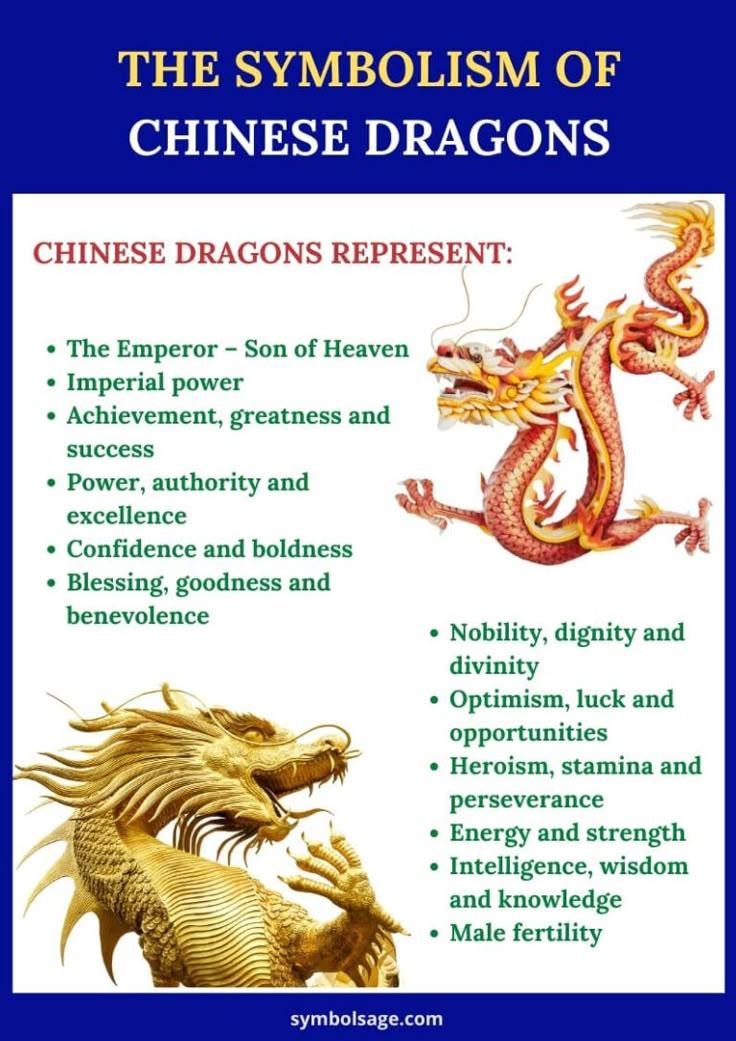
Understanding the Historical Roots of Dragon Symbolism in Chinese Culture
Dragons, often depicted soaring through the skies or emerging from enchanted waters, hold a profound significance in Chinese culture.Their history can be traced back to ancient times, where they were not merely mythical creatures but powerful symbols deeply ingrained in the fabric of society. Unlike the fearsome dragons of Western lore, Chinese dragons embody benevolence, wisdom, and strength, making them revered figures in both historical and contemporary contexts.
The earliest representations of dragons in China can be found during the Neolithic period, where they were associated with fertility and water. As agricultural practices flourished, the dragon became an essential figure linked to rain, crucial for prosperous crops. This connection gave rise to the dragon’s status as a *symbol of prosperity* and *abundance*. Over the centuries, the symbolism grew to embody various attributes, including:
- Imperial Power: Dragons became the exclusive symbol of the Chinese emperor, representing divine authority and governance.
- Wisdom: Being seen as wise creatures, they were frequently enough invoked for their insight and knowlege.
- Protection: Dragons were thought to ward off evil spirits and bring safety to communities.
In the world of mythology, dragons are frequently enough depicted as shapeshifters, capable of transforming into humans or other beings, further exemplifying their complexity and multifaceted nature. The *Five Clawed Dragon*, in particular, symbolizes the ultimate authority and is exclusively associated with emperors, reinforcing the idea that the dragon is synonymous with power and control. This exclusivity was evident in various historical Chinese dynasties, where the ruling class adopted dragon imagery in their regalia and architecture, highlighting their elevated status.
Furthermore, the symbolism of dragons is not limited to the imperial context; it permeates various aspects of everyday life, manifesting in art, festivals, and even feng shui practices. In conventional celebrations like the *Dragon Boat Festival*, communities honour these majestic creatures, celebrating unity and strength. The dragon dance, characterized by rhythmic movements and vibrant displays, symbolizes the community’s prosperity and good fortune. Dragons in art often find their way onto pottery, textiles, and architecture, embodying auspiciousness and power.
| Symbolism of Dragons | Contexts |
|---|---|
| Imperial Authority | Exclusive to Emperors, draped in regalia |
| Fertility and Water | Linked to agriculture and seasonal rains |
| Protection | Belief in warding off evil spirits |
| Wisdom | Associated with knowledge and insight |
As one delves deeper into the realm of dragon symbolism, it becomes evident that these mythical beings serve as a bridge between the earthly realm and the celestial. They are guardians of treasures and knowledge, embodying the dreams and aspirations of a culture that holds them in exalted regard. In contemporary China, this reverence for dragons persists, mirrored in the modern interpretations of power, success, and the lasting legacy of ancient traditions that continue to thrive in the hearts of the people.
The Dragon’s Role in Chinese Mythology and Folklore
In Chinese mythology and folklore, dragons are revered as powerful, benevolent creatures that embody strength, wisdom, and authority.Unlike their Western counterparts, which are frequently enough depicted as malicious beings, these dragons are seen as protectors and symbols of good fortune. They represent the natural forces of water and weather, often associated with mountain ranges, rivers, and rain. Their integral role in Chinese culture can be observed through various traditional practices and celebrations, where dragons are depicted as harbingers of prosperity and harmony.
Historically, dragons have held a important place in the hierarchy of Chinese symbolism. They are commonly viewed as the emperors of the skies and the custodians of imperial power. The emperor himself was often referred to as the “Son of the Dragon,” a title that conferred the divine right to rule. This relationship between the dragon and the emperor was so profound that many imperial robes were adorned with dragon motifs, specifically the five-clawed dragon, which symbolized the supreme authority of the emperor. In architectural designs, palaces and temples were frequently enough decorated with dragon imagery to invoke protection and favor from these celestial beings.
Dragons also play a vital role in the Chinese zodiac, where they are one of the twelve symbolic animals. Those born in the Year of the Dragon are believed to possess qualities such as courage, charisma, and ambition. They are seen as natural leaders, destined to achieve greatness. It is indeed said that owning traits of the dragon will lead to prosperity, thereby reinforcing their status as symbols of power and success. Celebrations like the Spring Festival often feature dragon dances, where the movements of the dragon mimic the flow of Chi, the vital energy that runs through all things, further symbolizing the connection between humans, nature, and the cosmos.
In addition to their representation of power, dragons are also associated with the elemental force of water. As guardians of rivers and seas, their presence is believed to regulate rainfall and ensure bountiful harvests. This connection emphasizes their role not just as symbols of imperial might, but as key components of the natural order. Many ancient Chinese communities would engage in rituals to appease dragon deities,showcasing their respect and veneration for these mighty creatures.Such practices highlight the belief that the favor of a dragon could not only determine an individual’s fortune but also the prosperity of an entire community.
| Symbol | Meaning |
|---|---|
| Dragon King | Guardian of rivers and seas, and controller of weather |
| Five-Clawed dragon | Symbol of imperial authority |
| Dragon Dance | A celebration of strength and prosperity |
| Year of the Dragon | Symbolizes ambition and natural leadership |
Across centuries, dragons have maintained a multifaceted legacy in Chinese culture, serving as a bridge between humanity and the divine. Their majestic presence is felt through various art forms, poetry, and festivals that celebrate their significance. In contemporary society, dragons continue to inspire awe and respect, reminding people of their rich heritage and the innate desire for strength and prosperity. Each swirl of a dragon’s tail, each glint of its emerald scales tells a story of resilience, power, and the boundless potential of nature.
Exploring the Aesthetic Representation of Dragons in Art and Architecture
Dragons hold a profound place in Chinese culture, symbolizing power, strength, and good fortune. These mythical creatures, frequently enough depicted as benevolent beings, play a significant role in traditional art and architecture, embodying the essence of imperial authority. In ancient times, the emperor was often referred to as the “Son of the Dragon,” a title that underscores the dragon’s representation as the ultimate symbol of power within the social hierarchy. The dragon’s majestic form has been artistically rendered in numerous ways, from intricate carvings to vibrant paintings, all celebrating its attributes that resonate deeply within Chinese society.
The aesthetic representation of dragons is characterized by a distinctive visual language that captivates the observer. Common motifs include the dragon’s elongated body,shimmering scales,and vibrant colors,primarily red,gold,and emerald green. These colors are not arbitrary; they are imbued with cultural significance:
- Red: Signifies luck and joy.
- Gold: Represents wealth and prosperity.
- Green: Symbolizes nature and tranquility.
In architectural designs, dragons are often incorporated into roofs, doorways, and wall decorations, symbolizing protection and the divine right to rule. The roofs of palaces frequently exhibit dragon ridges, where the creature is depicted in various poses, either coiled in a resting state or soaring through the clouds. These representations manifest the belief that dragons harness the power of weather, particularly rain, essential for agriculture in an agrarian society.
This visual prominence of dragons is not limited to residential designs but extends to religious structures as well. Temples are adorned with dragon motifs, signifying their importance in the spiritual realm. A striking instance is the Forbidden City in Beijing, whose architectural grandeur is amplified by its dragon imagery. The iconic Hall of supreme Harmony, for instance, showcases dragons in majestic reliefs, emphasizing the emperor’s connection to the heavens and the divine mandate bestowed upon him.
Moreover, the symbolism of the dragon extends beyond visual representation; it is indeed also steeped in folklore and literature. Dragon dances during festivals serve to honor this revered creature while bringing communities together, instilling a sense of unity and cultural pride. This performance art not only elevates the dragon’s status as a symbol of power but also reinforces its role as a harbinger of blessings and prosperity for the people.
| Aspect | Significance |
|---|---|
| Mythological Origins | Seen as descendants of celestial beings. |
| Artistic Depiction | A blend of strength, elegance, and divine attributes. |
| Architectural Role | Integrative designs reflect imperial authority. |
| Cultural Impact | Influences festivals and community activities. |
The dragon’s role in auspicious symbolism has persisted through centuries, reflecting the resilience of cultural identity. From ancient dynasties to modern interpretations, the dragon has evolved yet maintained its prominence as a symbol of power and benevolence in China. Contemporary artists continue to explore this mythical creature, merging traditional symbolism with modern aesthetics, ensuring the dragon’s legacy endures for future generations.
As we explore the multifaceted representation of dragons, it is clear that their depictions serve not merely as artistic expressions but as a repository of the rich cultural heritage that shapes the narrative of power and prosperity in Chinese history. The dragon epitomizes the aspirations of the people, reminding us that power is not limited to the ruling class but celebrated by all who embrace its legacy.
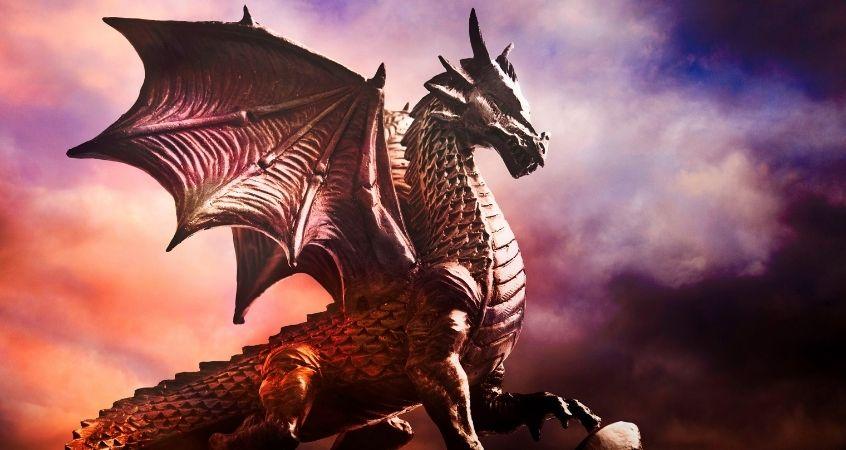
Dragons as emblems of Imperial Authority and Governance
In the vast tapestry of Chinese culture, dragons emerge not merely as mythical creatures but as profound symbols of imperial authority and governance, rooted deeply in history and tradition. Throughout centuries, these magnificent beings have transcended the realms of folklore to embody the essence of strength, power, and imperial legitimacy. In ancient China, the dragon was closely associated with the ruling class, often seen as the divine protector of the emperor and the nation as a whole. This sacred relationship solidified the dragon’s status as a symbol of sovereignty, capable of invoking respect and reverence among the populace.
The dragon’s significance extended beyond mere representation; it was intrinsically linked to the concept of the “Mandate of Heaven” (天命),which asserted that emperors ruled by divine right. The dragon was perceived as a manifestation of cosmic energy that bestowed upon the emperor the authority to govern wisely and justly. This profound connection is illustrated in various aspects of governance:
- Imperial Insignia: The dragon adorned royal robes, thrones, and seals, serving as a constant reminder of the emperor’s divine right to rule.
- Architectural Symbolism: Many imperial buildings, including the Forbidden City, prominently featured dragon motifs, reinforcing the idea of the dragon’s protective role over the state.
- Political Mythology: Emperors often styled themselves as ‘Dragons on Earth,’ linking their rule directly to the celestial order embodied by these mythical creatures.
As time progressed, dragons evolved in their representation to encapsulate broader themes of governance. During the Tang and Ming Dynasties, such as, the dragon became a symbol of prosperity and harmony, mirroring the flourishing culture and economic stability of the empire.Art and literature from these periods often depicted dragons in scenes of abundance, linking their image to the well-being of the people. The famous “Nine Dragons” theme, frequently encountered in Chinese art, illustrates the multi-faceted nature of dragons—depicting a balance of power, prosperity, and the mandate to nurture the land and its people.
Furthermore, as a national emblem, the dragon reflects the unity and identity of the Chinese people. The People’s Republic of china adopted the dragon as a national symbol, recognizing its historical importance while creating a modern narrative of strength and resilience. in this contemporary context, dragons symbolize not just imperial authority but the spirit of the nation, embodying the collective aspiration towards progress and prosperity. This evolution from imperial iconography to a symbol of national pride highlights the dragon’s enduring legacy as a formidable emblem that continues to shape the consciousness of a nation.
| Period | Symbolism | Notable Features |
|---|---|---|
| Ancient China | Divine Authority | Imperial Insignia, mythical Protector |
| Tang Dynasty | Prosperity and Harmony | Artistic Flourish, Cultural Growth |
| Ming Dynasty | Strength in Governance | Architectural Symbols, Royal Motifs |
| Modern Era | National identity | Symbol of Unity and Resilience |
The dragon’s role as a symbol of governance is not only expressed in cultural artifacts but also resonates in rituals and celebrations that honor the connection between rulers and their subjects. The Dragon Boat Festival, as an exmaple, is imbued with historical significance and ritualistic respect, reinforcing the bond between the community and the dragon as a harbinger of good fortune. Such traditions cultivate a shared cultural memory that persists through generations, intertwining with collective national identity. Thus,the dragon’s legacy as a symbol of imperial authority thrives,adapting to the evolving socio-political landscape while maintaining its core essence of power and protection.
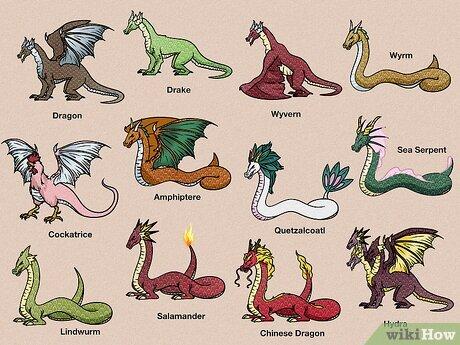
The influence of Dragons on modern Chinese Identity and global Perception
Throughout history, dragons have been revered in Chinese culture as powerful symbols of strength, prosperity, and authority. Unlike their frequently enough malevolent Western counterparts, Chinese dragons are seen as benevolent creatures that control rain and floods, embodying the natural elements vital for life. This positive portrayal has led to their integration into various facets of society, from art and folklore to politics and national identity.
The dragon is deeply embedded in traditional Chinese mythology, considered a divine and auspicious entity. this is reflected in the role of emperors, who often associated themselves with dragons to legitimize and amplify their power. The imperial dragon, with its five claws, became a symbol of sovereignty, representing not only the emperor himself but also the unity and strength of the nation. This historical connection has continued to resonate in modern China, shaping national pride and cultural identity.
- Festivals and Celebrations: The dragon dance, a traditional cultural performance, is prominent during festivals such as the Lunar New year, symbolizing good fortune and the ushering in of prosperity.
- Art and Literature: Dragons frequently appear in Chinese art and literature, often depicted as majestic figures in paintings, sculptures, and poetry, portraying power and wisdom.
- Modern Branding: Businesses and brands utilize dragon imagery to evoke feelings of strength and success, harnessing the cultural significance of this mythical creature to appeal to consumers.
Globally, the perception of dragons is diverse, yet Chinese dragons have carved a unique niche that influences international views of Chinese culture. In many western contexts, dragons are associated predominantly with danger and chaos. However, the peaceful representation of Chinese dragons presents an choice narrative that invites curiosity and admiration. Cultural exchanges and collaborations showcase this aspect, as seen in media, documentaries, and exhibitions that highlight the positive implications of dragon symbolism.
| Aspect | Chinese Dragon | Western Dragon |
|---|---|---|
| Symbolism | power, Luck, Authority | Chaos, Destruction, Fear |
| Cultural Role | Worship, Festivals, Emblem of Emperors | Villain, Hero’s Challenge |
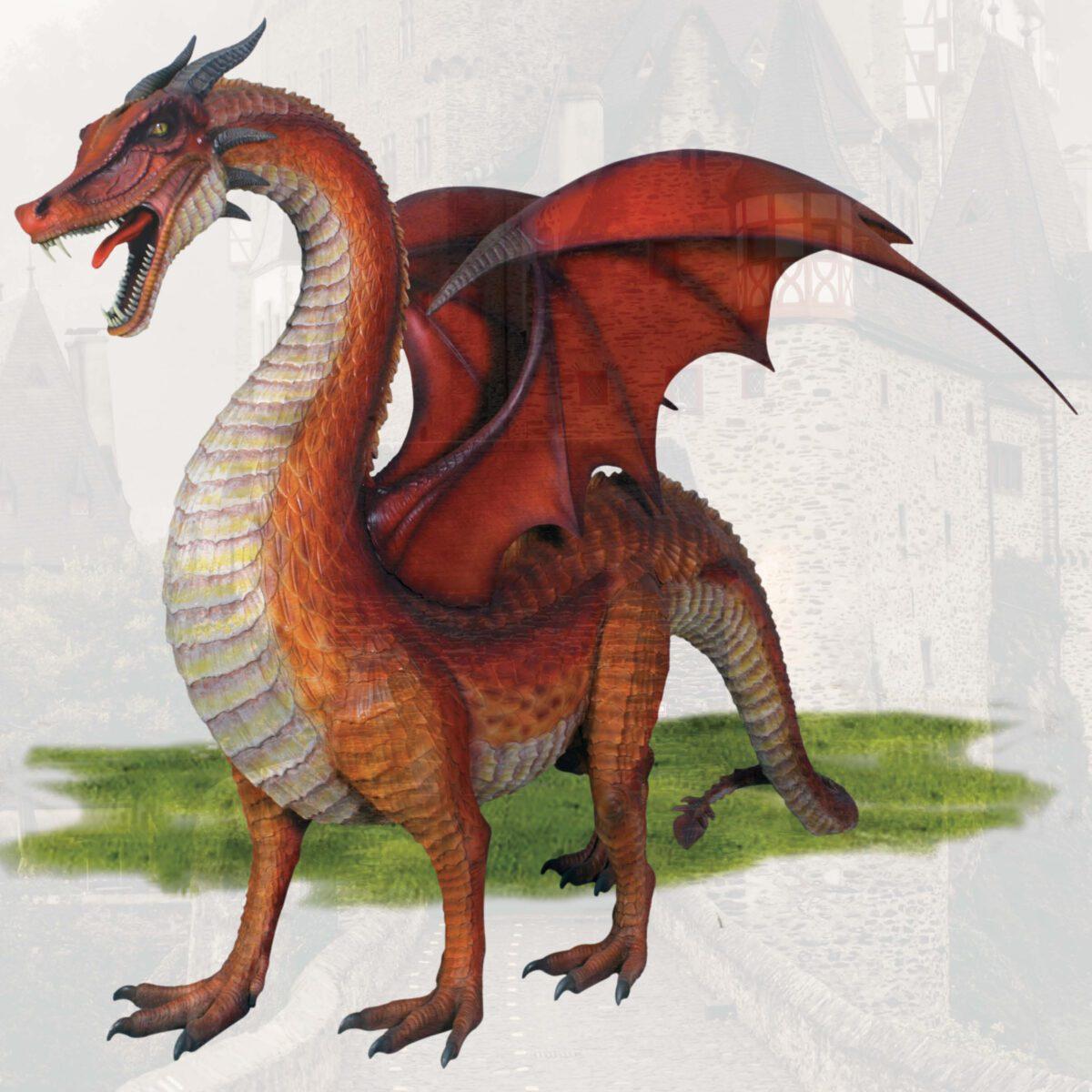
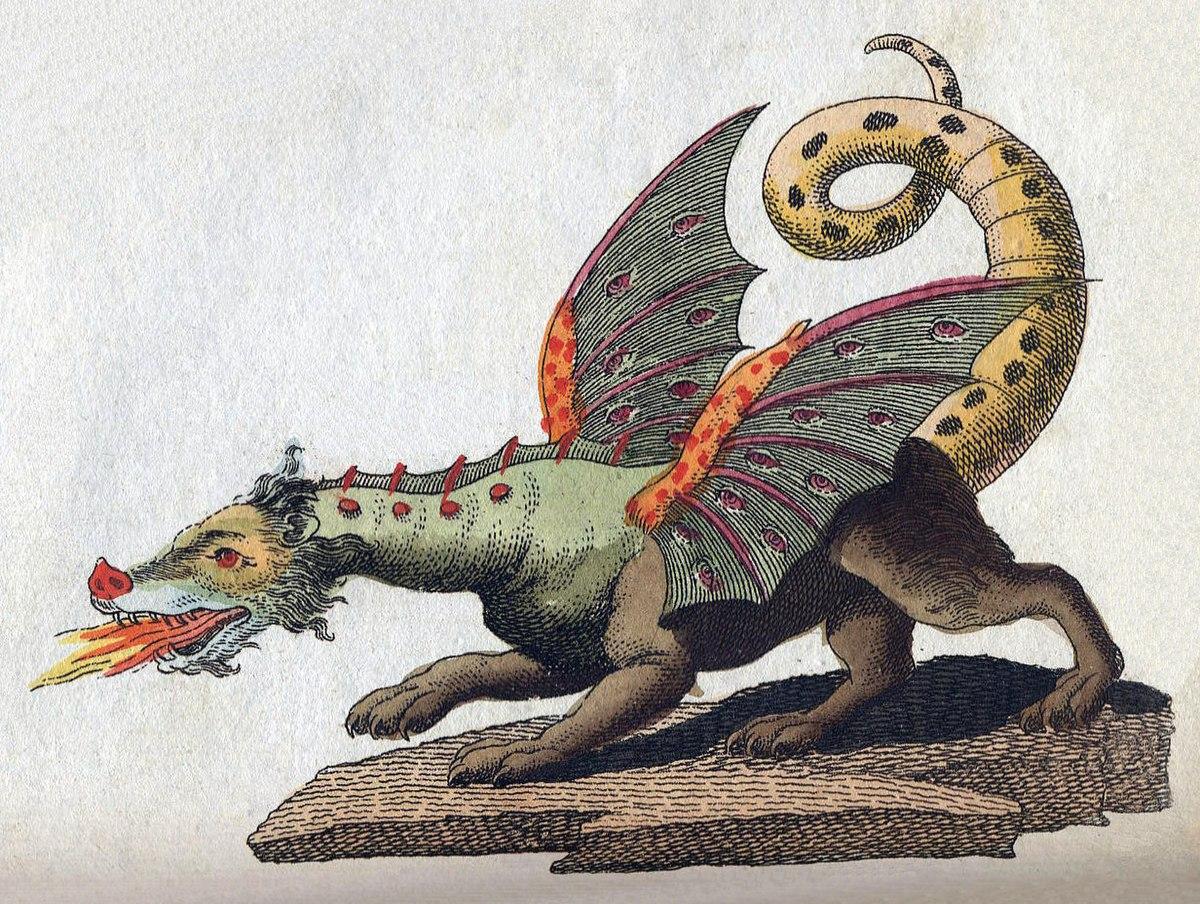
| Physical Traits | Serpentine, Multiple Claws, Water Affinity | Winged, Four Legs, Fire Breathing |
The influence of dragons in shaping modern Chinese identity goes beyond cultural pride; it reflects a collective aspiration for power, harmony, and global recognition. As China rises on the world stage, the symbolic power of the dragon becomes even more significant, resonating with the idea of a nation poised to reclaim its rightful place as a leader in global affairs. This unique emblem serves not only as a reminder of China’s rich heritage but also as a testament to its evolving identity in an increasingly interconnected world.
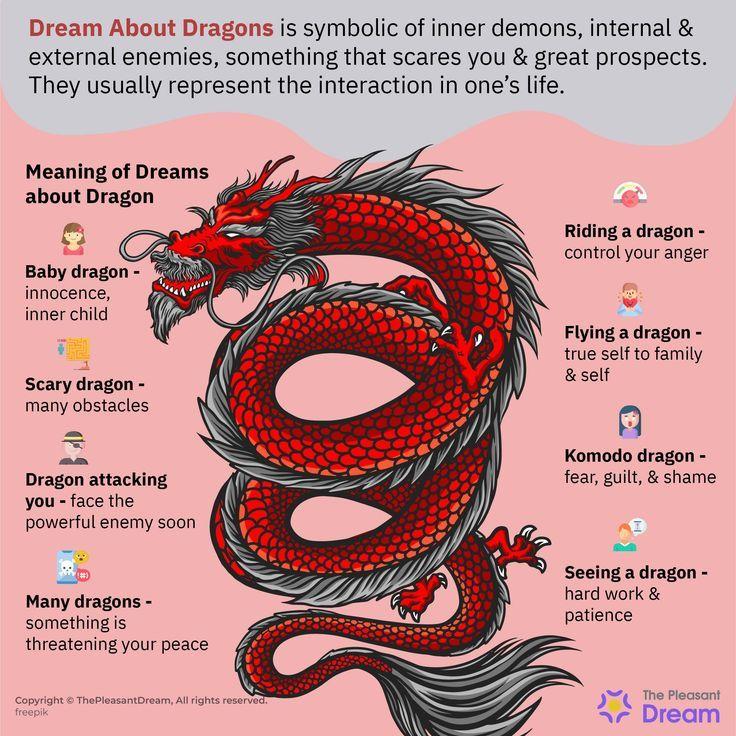
Recommendations for Engaging with Dragon Symbolism in Cultural Practices
Engaging with dragon symbolism within cultural practices can be a deeply enriching experience, particularly in the context of Chinese traditions.To unlock the profound meanings attributed to this legendary creature, one should consider the following approaches:
- Research Traditional Festivals: Participate in or observe festivals such as the Chinese New Year and the Dragon Boat Festival. These events feature dragon motifs prominently,allowing individuals to witness vibrant displays of culture and heritage.
- Explore Artistic Representations: Delve into various art forms—calligraphy, painting, and sculptures—that showcase dragons. Analyzing different interpretations unveils how dragons are intertwined with themes of power, wisdom, and protection.
- Learn about Cultural beliefs: engage with texts and folklore that encompass dragons in Chinese mythology. understanding their representation as auspicious symbols can deepen thankfulness for their historical significance.
Incorporating dragon symbolism into personal practices can also enhance one’s connection to these cultural elements:
- Create Personalized Amulets: Crafting or acquiring dragon-themed amulets can serve as a tangible connection to the power and protection these symbols represent.
- Integrate Symbolism into Home Decor: Utilize dragon motifs in home design, incorporating paintings, textiles, or ceramics that resonate with the significance of strength and prosperity.
- Reflect on Personal Traits: Meditate on the attributes associated with dragons, such as courage and wisdom. Identify ways to embody these traits in daily life, perhaps through journaling or creative expression.
Moreover, understanding the various meanings behind dragon symbolism can foster respectful engagement with the culture:
| Aspect of Dragon Symbolism | Associated Meaning |
|---|---|
| Power | Dragons are often seen as guardians and protectors, embodying immense authority. |
| Wisdom | They are thought to possess great knowledge and insight, guiding decisions. |
| Harmony | Dragons symbolize the balance of natural elements, reflecting harmony in life. |
| Prosperity | Associated with wealth, they encourage abundance and success in endeavors. |
Engaging thoughtfully with dragon symbolism adds layers of meaning and appreciation to cultural practices. By actively participating in communal traditions, elementally incorporating symbolic representations, and fostering personal reflections, one can cultivate a richer understanding of why dragons are esteemed as symbols of power in Chinese culture. These experiences not only honor the legacy of dragons but also create a personal narrative deeply rooted in tradition.
Closing Remarks
the dragon’s esteemed status as a symbol of power in China is deeply woven into the fabric of its cultural, historical, and spiritual landscape. From imperial emblems to the vibrant spectacles of the Lunar New Year, these magnificent creatures embody strength, authority, and good fortune. As we navigate the intricate tales and traditions surrounding dragons, we come to appreciate their role not only as mythical beasts but as potent symbols of resilience and hope. Whether soaring through the skies of ancient lore or gracing the banners of modern celebrations, dragons continue to inspire awe and reverence. Their legacy invites us to explore the enduring connections between mythology and cultural identity, reminding us that the stories we share shape the world we inhabit. In honoring the dragon, we acknowledge a profound narrative of power that resonates through time, binding past to present in a mesmerizing dance of heritage and belief.