
In a world teeming with virtual landscapes and endless multiplayer arenas, the allure of stealth-action gameplay invites players to embrace the shadows, mastering the art of subtlety and strategy. Among the pantheon of titles that have shaped this genre, the Dishonored series stands out as a masterclass in immersive storytelling and tactical gameplay. Developed by Arkane Studios, this beloved franchise seamlessly weaves intricate narratives with rich environments, allowing players to assume the roles of characters equipped with supernatural abilities and moral dilemmas. In this article, we delve into a extensive review of the Dishonored series, exploring its unique mechanics, evocative settings, and the captivating choices that keep players on the edge of their seats. Whether you’re a seasoned assassin or a newcomer to the world of Dunwall and beyond, join us as we unravel the complexities and charm of this innovative series, examining how it has redefined the stealth-action genre and carved out a lasting legacy in gaming history.
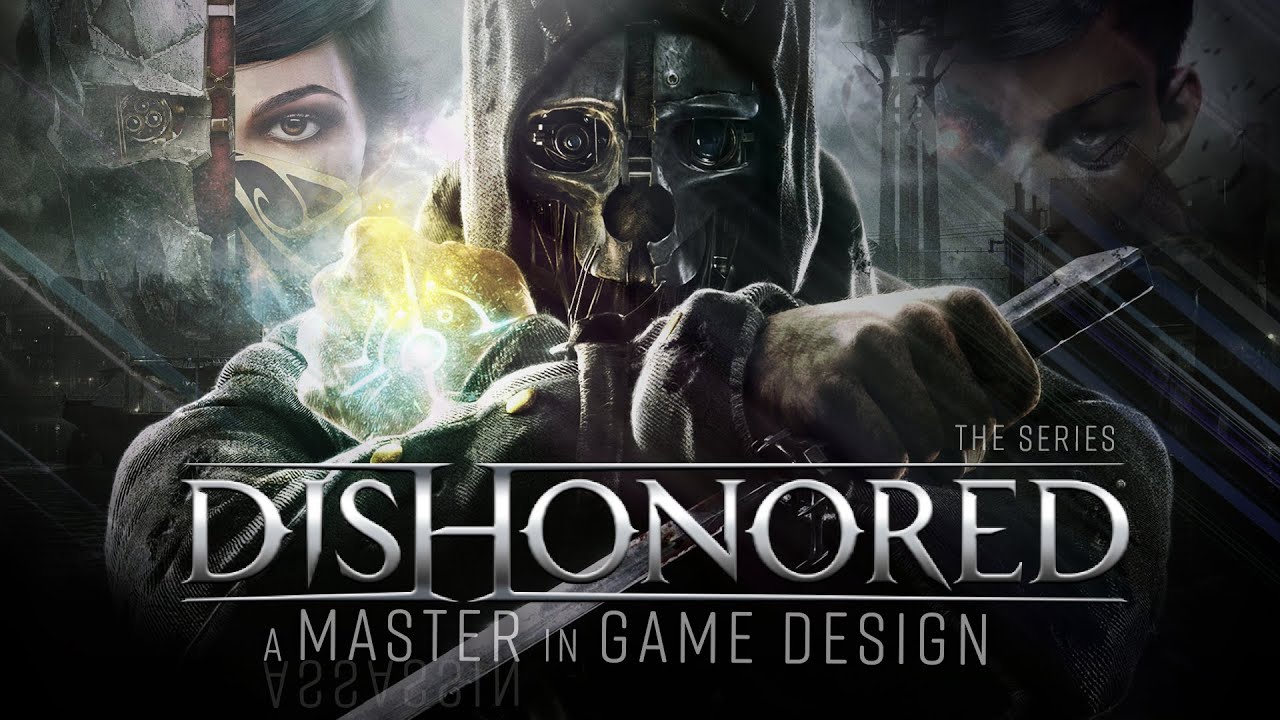
Exploring the Intricate World of Dishonored: A Setting Like No Other
In the realm of video games, few settings are as captivating as the dystopian city of Dunwall, where the Dishonored series unfolds. This industrial metropolis, steeped in a rich, dark history, creates an immersive backdrop that lures players into its intricacies.With its unique blend of steampunk aesthetics and supernatural elements, players are thrust into a world where the line between morality and survival blurs. The oppressive architecture and eerie ambiance echo the desperation of its citizens, underpinned by a narrative that intertwines political intrigue and personal vendetta.
At the heart of this universe lies a meticulously crafted lore that invites exploration.The artists and designers of Dishonored have gone above and beyond to populate this environment with a myriad of details that breathe life into the streets of Dunwall. From the glistening rooftops shadowed by ominous towers to the dark alleys teeming with secrets, the setting serves as both a playground and a cautionary tale. Players can explore:
- The Royal City of Dunwall: A sprawling network that links royalty and the disenfranchised.
- The Rat Plague: A disquieting disease that shapes societal decay and fuels the narrative.
- Whalers and the Outsider: Characters that embody the moral complexities within the world.
Dunwall isn’t just a setting; it functions as a character in its own right, affecting the choices players make throughout the game. Each new location reveals layers of history and intrigue, encouraging players to engage with their environment in creative ways. Whether scaling rooftops for a bird’s-eye view or sneaking through the shadows in search of vital resources, players find themselves surrounded by a compelling narrative that is woven seamlessly into the gameplay. The environmental storytelling is accentuated by:
| Element | Description |
|---|---|
| Visual Design | Steampunk vibes with intricate architectural details. |
| Cultural References | Influences from history, literature, and folklore. |
| Dynamic Soundscape | Ambient sounds enhance atmosphere and tension. |
This world not only serves as a backdrop for gameplay but also as a canvas where players can project their choices and actions. The consequences of these choices resonate throughout Dunwall, reinforcing the idea that every decision matters. Stealth mechanics intertwine with the environment, allowing for various play styles, each showcasing a different narrative viewpoint. Whether opting for swift, lethal tactics or avoiding confrontations entirely, players experience the profound effects of their actions on the peopel and places within this beautifully bleak universe.
Character Development and Player Choices in the Dishonored Series
The Dishonored series intricately weaves character development and player choices into its gameplay, creating a rich narrative tapestry that allows players to shape their experience. each protagonist,primarily Corvo Attano and Emily Kaldwin,offers unique trajectories and abilities,reflecting their personal growth and the story’s moral complexities. Throughout the games, players navigate through dilemmas that force them to weigh the consequences of their actions—whether choosing to engage in lethal methods or subtle, non-lethal strategies. This core mechanic fosters a sense of agency, where personal decisions resonate throughout the game’s world, influencing not only the characters but also the environment itself.
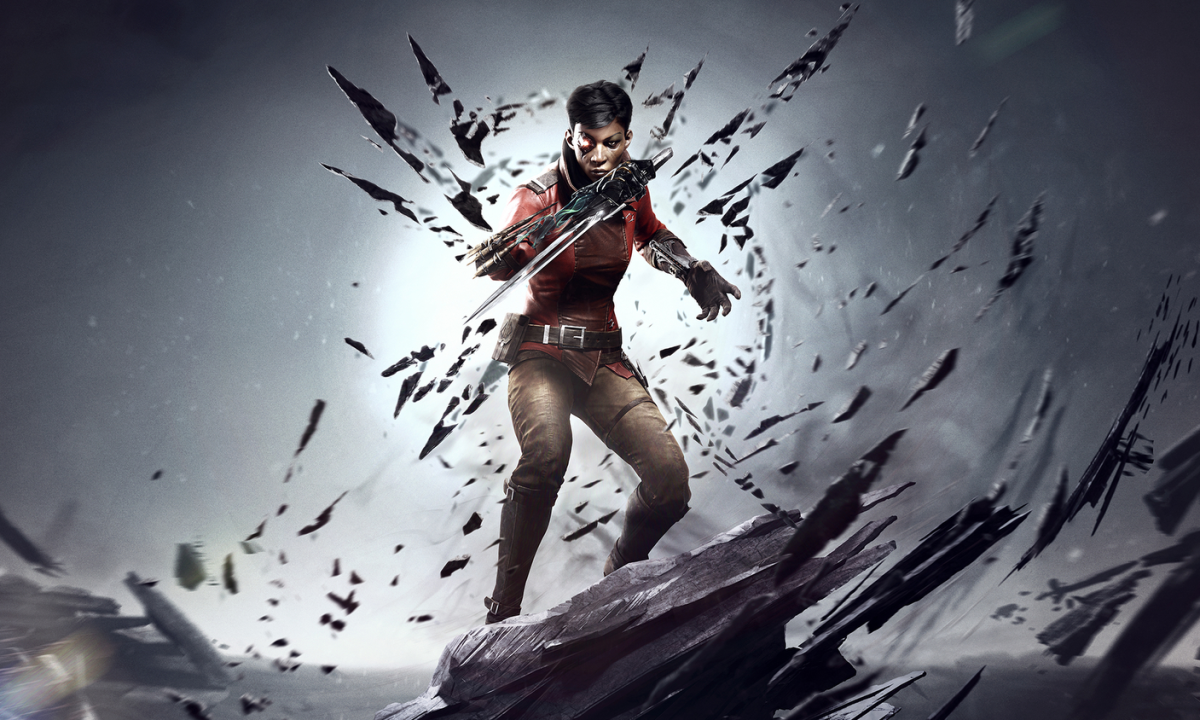
The relationships between characters are intricately connected to player choices, leading to dynamic interactions that evolve based on the decisions made. As an example, the character of Damon serves as a marker of player morality, adjusting his allegiance based on the degree of chaos instigated by the player. As players progress, they can observe significant shifts in dialog and behavior among NPCs, reflecting their role in society. Key NPCs, such as Lady Emily and The Outsider, also respond to the protagonist’s actions, offering magical abilities or moral wisdom that further deepen the expressive narrative:
| character | Response to Player Choices |
|---|---|
| Corvo Attano | Adopts harshness or compassion, affecting how others view him |
| Emily Kaldwin | Transforms from a sheltered princess to a decisive ruler based on player actions |
| The Outsider | Gives powers that are influenced by the moral path taken, shaping the gameplay |
Moreover, the world of Dishonored serves as a reflection of the player’s choices, showcasing the chaos or order created through their actions. This environmental storytelling manifests visibly in the deteriorating condition of Dunwall and later Karnaca,where the player’s approach affects the socio-political landscape. The game design incentivizes exploration and experimentation by granting character abilities that suit varying playstyles, whether tactical stealth or aggressive confrontations. In effect, players are not merely passive observers in a linear storyline; they are active participants in a living world that reacts and evolves based on their select path, reinforcing the importance of character development as a central theme. This level of interactivity sets the Dishonored series apart, cementing its legacy as a pioneering blend of rich storytelling and immersive gameplay.
Mastering Stealth and Combat: Gameplay Mechanics That Define Dishonored
The Dishonored series is renowned for its intricate gameplay mechanics that seamlessly blend stealth and combat, allowing players to approach each mission with their own unique strategy. At the core of this experience lies a dynamic world that reacts to the player’s choices,encouraging experimentation in how one can traverse through levels and interact with enemies.The game’s use of a “blink” ability allows players to teleport short distances, granting them the upper hand in avoiding detection or setting up tactical assassinations.This balance of movement and stealth is punctuated by the variety of skills and powers available to players, creating a rich tapestry of options that defines the gameplay experience.
The combat mechanics in Dishonored are equally engaging, offering players the chance to employ a wide array of weapons and gadgets. From the trusty sword to firearms and crossbows,players can opt for a lethal or non-lethal approach to their encounters. The game encourages a strategic mindset, as players can use environmental features to their advantage, such as luring enemies into traps or utilizing shadows to remain unseen. The interaction with NPCs and the environment forms an additional layer, allowing for creative plays and branching outcomes. Players are frequently enough faced with decisions that determine the consequences of their actions, creating a meaningful context for each combat encounter.
Another defining aspect is the Chaos System, which tracks the player’s choices throughout the game.This system adds depth to the gameplay, influencing everything from enemy behavior to the world state itself. Players who choose a violent path will face harsher repercussions, making further missions more challenging. Conversely, opting for stealth over combat can lead to a more peaceful resolution and a unique narrative experience. The complexities of the gameplay mechanics blend together to foster an immersive environment, where player agency drives the story forward. As they master the delicate balance of stealth and combat, players must constantly evaluate their options and adapt their strategies to ensure success in a world rife with political intrigue and supernatural elements.
Artistic Vision and sound Design: Crafting Immersive Experiences
At the heart of the series’ artistic direction is a distinctive aesthetic, combining steampunk elements with a touch of the surreal. This is achieved through striking visual contrasts, such as the interplay between light and shadow, and the use of an impressionistic art style that feels almost hand-painted.Players are treated to fleeting moments of beauty juxtaposed with stark, ofen brutal realities. Every character, from the enigmatic Corvo Attano to the complex Emily Kaldwin, is imbued with life through expressive animations and distinct designs. This attention to detail allows each character to contribute to a larger narrative, where their motivations and backgrounds enrich the gameplay experience considerably.

Complementing the visual artistry is an equally compelling sound design that meticulously constructs an atmosphere ripe for stealth and exploration. The audio serves to deepen emotional engagement, giving players the tools to navigate their environment shrouded in tension. The use of layered sounds—such as distant conversations, the echo of footsteps on cobblestones, and the unsettling hum of supernatural elements—ensures that players remain aware of their surroundings without overtly revealing their presence. The haunting score, often punctuated by soft piano melodies or frenetic orchestral swells, underscores critical moments, guiding players through both action-laden sequences and stealthy approaches alike.
Strategic Recommendations for New Players and Series Veterans
For newcomers stepping into the Dishonored universe, it’s crucial to familiarize yourself with the core mechanics that define the series. Start by embracing the game’s emphasis on choice; every action has consequences that can lead to varying outcomes. To enhance your experience:
- Experiment with powers: Each supernatural ability can dramatically change your approach to challenges. Test out stealth versus aggression.
- Observe enemy patterns: Taking the time to learn the routines of guards and civilians can provide you with opportunities for silent takedowns.
- Utilize the environment: Look for option routes and hidden pathways to navigate the levels without being detected.
Series veterans can deepen their strategies by revisiting the gameplay under new challenges. Consider a playthrough on the highest difficulty level or with a focus on a specific power set. Here are some tips to maximize your experience:
- Master the use of gadgets: Advanced players can rely on traps and gadgets in combination with powers for greater efficiency.
- Challenge yourself with no-kill runs: Limiting lethal force can lead to a more tactical experience as you find non-lethal methods to incapacitate your foes.
- engage with side missions: Exploring the side stories will not only enrich your understanding of the world but may provide unique rewards.
For both newcomers and veterans,adopting a flexible mindset toward gameplay can significantly enhance immersion. The series rewards creativity, so consider blending approaches. These strategic recommendations can serve as a guide:
| Strategy | Player Type | Tip |
|---|---|---|
| Stealth Focus | New Players | Keep to the shadows and use distractions. |
| Aggression | Veterans | Combine powers for explosive combat effectiveness. |
| Resource Management | all Players | Always keep track of items like elixirs and ammunition. |
| Adaptive Playstyle | All Players | Switch tactics based on changing situations and enemy types. |
Insights and Conclusions
As we draw the curtains on our exploration of the “Dishonored” series, it’s clear that these games have redefined what it means to navigate a world of shadows and subtlety. From the intricately designed environments to the rich narrative layers interwoven with choice and result, Arkane Studios has crafted a unique experience that resonates with both casual players and genre enthusiasts alike.The blend of supernatural abilities with strategic stealth-action creates a dynamic gameplay loop that invites multiple approaches and encourages creativity.
Whether you choose to embrace your powers or tread lightly as a silent observer, the roads of Dunwall and Karnaca offer a wealth of immersive storytelling waiting to be uncovered. So, whether you’re a seasoned assassin or a newcomer to the series, we hope this review has illuminated the nuanced intricacies that make the “Dishonored” series a standout in offline, stealth-action gaming. As you step into the shadows, remember: every choice shapes your destiny, and every whisper of the wind carries the weight of your actions. Happy gaming!