
In the shimmering embrace of Chinese jade and jewelry, dragons soar as emblematic creatures of power and protection, weaving a narrative rich in symbolism and cultural meaning. Since time immemorial,thes mythical beings,revered in ancient folklore,have found a profound connection with jade—a stone treasured not only for its beauty but also for its believed spiritual properties. This article embarks on a journey through the history of dragons in Chinese art and adornment, exploring their roles as auspicious symbols of strength, wisdom, and good fortune. From intricately carved pendants to elaborate bracelets,we will delve into the layers of meaning behind these majestic creatures,uncovering how they have influenced the craftsmanship and ideology of Chinese jewelry through the ages.Join us as we celebrate the enduring legacy of dragons in jade, a testament to the indelible bond between culture, nature, and artistry in the world of Chinese heritage.
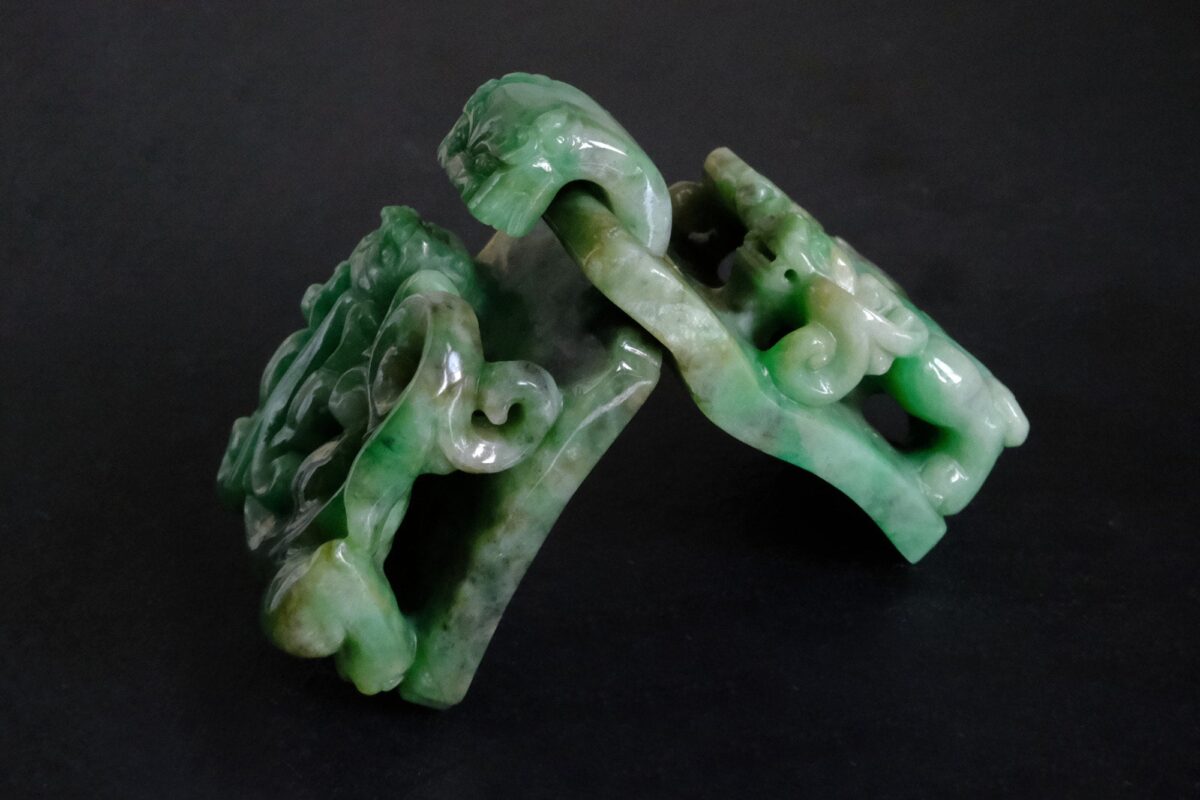
Exploring the Majestic Legacy of Dragons in Chinese Culture
Historically, the association of dragons with jade can be traced back to ancient dynasties. The Han dynasty, for example, saw the use of jade not only as a decorative element but also as a medium conveying wishes for good fortune and health. In this context, the dragon became an essential emblematic figure, encapsulating the emperor’s divine right to rule. Dragons in jade were often carved with swirling clouds and waves, reinforcing their connection with water and weather, elements considered vital for agriculture and prosperity.
The detailed craftsmanship involved in creating jade dragons reflects highly regarded skills of sculptors and artisans, who viewed their work as a form of spiritual devotion. Each piece played a role in rituals and ceremonies, believed to ward off evil spirits and attract good luck. The use of jade in jewelry also serves another crucial purpose—it is often passed down as heirlooms, creating a family lineage that carries not just the weight of material value, but an unspoken bond that transcends time. This deep-rooted connection transforms pieces of jade into totems of cultural identity, binding the wearer with their ancestors and the mysterious power of the dragon.
In the landscape of contemporary jewelry, the significance of dragons in jade remains potent. As artists and jewelers adapt traditional motifs, modern interpretations still retain the essence of what dragons represent in Chinese culture. Whether as an elegant pendant or a centerpiece in bridal jewelry, the dragon continues to be a cherished symbol of wealth, strength, and good fortune. Peopel wear these pieces not only for aesthetic appeal but as a way to express their heritage and imbue their lives with the virtues that dragons symbolize.
| Aspect | Significance |
|---|---|
| symbol of power | dragons are associated with emperors, representing authority and governance. |
| Good Fortune | Jade dragons are believed to bring luck and prosperity to their bearers. |
| Cultural identity | The tradition of jade carving keeps the stories and beliefs of ancestors alive. |
| Spiritual Protection | Wearing jade dragons is thought to ward off negative energies and evil spirits. |
Moreover, the artistic portrayal of the dragon in jade jewelry frequently enough includes elements like phoenixes and other mythical creatures, further enriching its narrative.This intricate interplay of symbolism illustrates the harmony between male and female energies,which is central to many traditions in Chinese philosophy. Each piece,whether adorned with additional motifs or crafted in unique styles,becomes a conversation starter—a bridge between eras,encapsulating the essence of a culture steeped in rich traditions.
As we delve deeper into the significance of dragons in jade and jewelry,it becomes clear that these works are more than just adornments. They are vestiges of cultural memory, embodiments of values, and symbols of prosperity. The legacy of dragons, alive in every intricately carved detail and shimmering facet of jade, speaks to the enduring spirit of Chinese civilization, reminding us that blessings and protection are eternally sought after, regardless of the age we live in.
The Intricate Artistry of Jade: Crafting Dragon-inspired Jewelry
The art of crafting jade jewelry, especially pieces inspired by dragons, embodies a rich tapestry of cultural significance, artistic mastery, and spiritual resonance. Jade, revered in Chinese culture as a stone of grate power and beauty, plays a pivotal role in the creation of dragon-themed adornments, which symbolize strength, protection, and good fortune.Artisans dedicate their lives to mastering the intricate techniques of jade carving, transforming raw stone into breathtaking sculptures that capture the essence of these mythical creatures.
Jade jewelry pieces, particularly those representing dragons, are often designed with meticulous attention to detail. The swirling, sinuous forms of dragons are artistically rendered, highlighting the creature’s symbolic dynamics—from auspiciousness to an embodiment of power. The green hues of jade,combined with the artistry of the carvings,evoke feelings of sophistication and mystique. Unique features of these dragon-inspired designs include:
- Intricate Carvings: Each piece often showcases elaborate patterns that reflect the skill of the artisan,with scales and claws distinctly defined.
- Symbolic Elements: Many designs incorporate other symbols,like pearls or clouds,that are associated with dragons,enhancing both the aesthetic and the meaning.
- Multi-Faceted Finishing: The finished products exhibit varying finishes—from glossy surfaces that gleam under light to matte textures that offer a more earthy feel.
crafting such jewelry requires immense skill and precision. Artisans typically begin with high-quality jade stones selected for their color and translucence. The crafting process often involves:
| Step | Description |
|---|---|
| Selection | Choosing the right jade stone based on purity, color, and size. |
| Carving | Using specialized tools to meticulously carve the jade into dragon shapes. |
| Polishing | Finishing the piece to enhance its luster and ensure a smooth texture. |
| Setting | Incorporating the jade piece into jewelry, such as pendants or bracelets. |
Moreover,the significance of dragon-inspired jade jewelry extends far beyond mere aesthetic appeal; it carries a connotation of status and cultural heritage. Traditionally, items featuring dragons were worn by emperors and nobility, signifying their divine right to rule.Today, wearing such pieces continues to be an expression of pride in cultural identity and a deep appreciation for craftsmanship.The act of gifting dragon jewelry is often laden with wishes of prosperity and protection for loved ones, thus intertwining personal desires with traditional meanings.
Ultimately, the craftsmanship of jade dragon jewelry serves as a bridge between ancient traditions and modern expressions of art.Each piece tells a story—not only of the dragon’s majestic symbolism in Chinese culture but also of the dedication and talent of the artisans who bring these mythical creatures to life through their intricate artistry. The combination of jade’s natural beauty with the powerful imagery of the dragon creates a compelling narrative, making these pieces not just accessories, but treasured legacies that connect generations.
Symbolism Unveiled: The Dragon as a Harbinger of Prosperity
Throughout Chinese culture, dragons are celebrated not merely as mythical creatures but as potent symbols of good fortune and prosperity. When depicted in jade and jewelry, the dragon plays a vital role in representing a bridge between the material and the spiritual, radiating energy that attracts wealth and abundance. The intricate artistry of jade carvings often emphasizes the dragon’s noble stature, showcasing its fierce loyalty, strength, and benevolence.
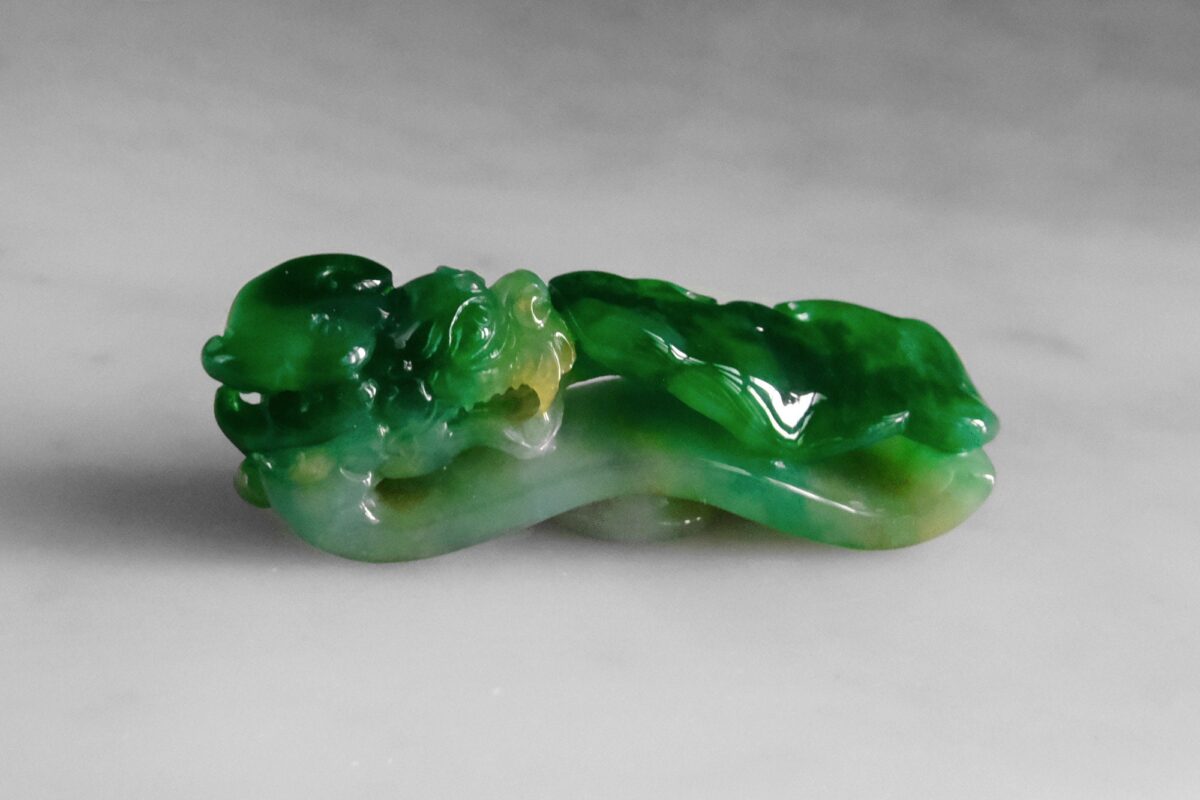
Jade, revered for its beauty and durability, harmonizes perfectly with the dragon’s symbolism. The green hue of jade, often associated with life and vitality, mirrors the dragon’s connection to nature and its role as a guardian of life’s treasures. In many cultures, the interplay of jade and dragon imagery signifies prosperity, protection, and fertility, making such pieces highly sought after as gifts for auspicious occasions like weddings or Lunar New Year celebrations.
The dragon’s presence in jewelry can frequently enough be categorized into several distinct forms, each embodying unique traits and meanings:
- Celestial Dragon: Associated with the heavens, this representation suggests a divine connection, promising the wearer heavenly blessings.
- Earth Dragon: Symbolizing grounding and stability, it reflects the nurturing aspects of nature, encouraging prosperity through resilience.
- Spiritual Dragon: Frequently enough seen in more abstract designs, it emphasizes the transformative power of spirituality, supporting the wearer’s journey towards enlightenment and abundance.
In the traditional context of Chinese culture, dragons have long been viewed as protectors of treasures, and their elegance is further enhanced when modeled in fine jewelry. A striking piece that features these majestic creatures can often be seen as a conversation starter and a testament to one’s heritage. This connection deepens the appreciation for the craftsmanship involved in each piece,as jewelry artisans meticulously carve and design to capture the very essence of dragons. the following table summarizes some of the key elements associated with dragon motifs in jade and jewelry:
| Element | Symbolism | Jade Type |
|---|---|---|
| eyes | Vigilance and Wisdom | Imperial Green Jade |
| Claws | Strength and Power | Translucent White Jade |
| Body | Fluidity and Versatility | Lavender Jade |
| Tails | Connection to the Earth | Dark Green Jade |
The intricate symbolism surrounding the dragon serves as an enduring reminder of cultural identity and values.The dragon’s multifaceted nature allows it to embody various psychological aspects of prosperity, urging individuals to embrace both their ambitions and responsibilities. as such, jade jewelry bearing the symbolism of the dragon not only elevates personal style but also instills a sense of empowerment and hope for a prosperous future.
Historical Narratives: Dragons in Ancient Chinese Dynasties
The significance of dragons in ancient Chinese culture spans numerous dynasties, symbolizing power, authority, and auspiciousness.In the context of jade and jewelry, the dragon motif is particularly poignant. Each representation tells stories of emperors, warriors, and divine protection. In ancient China, the dragon was not merely a mythological creature; it was a celestial symbol closely associated with the emperor, often referred to as the “Son of Heaven.” The integration of dragons into jade artifacts and jewelry pieces during various dynastic periods illustrates their deep-rooted importance in societal beliefs.
During the Shang Dynasty (c. 1600–1046 BC), the earliest verifiable artifacts adorned with dragon imagery emerged. Jade was carved into intricate shapes, where the dragon’s form symbolized authority and nurturance, believed to bestow strength and safety upon its possessor. The shapes frequently enough featured detailed scales and curling tails, reflecting the skillful craftsmanship of this period. Throughout the Zhou Dynasty (1046–256 BC), dragon symbolism expanded further, becoming associated with the concept of divine ruler. Dragons appeared on ceremonial jade objects used in rituals, reinforcing a connection with the heavens and signifying the emperor’s divine right to rule.
The Han Dynasty (206 BC–220 AD) saw a golden age of jade craftsmanship, where dragons became a staple symbol in jewelry pieces. Necklaces, bracelets, and rings featured the mythical creature, often as a protective amulet. The spiral dragons, depicted with elongated bodies and exaggerated features, emphasized auspiciousness and success. The jade bracelet, intricately designed with dragon motifs, was more than mere ornamentation; it signified the wearer as someone of high status and moral righteousness.Moreover, the dragon within jewelry was believed to attract good fortune and ward off evil spirits, making it a popular choice among nobility.
The cultural significance of dragons continued to evolve through the Tang Dynasty (618–907 AD) and into the Song Dynasty (960–1279 AD). During the Tang era, the wealth and power of the empire flourished, resulting in more elaborate jewelry designs featuring dragons entwined with phoenixes—the ultimate representation of balance between yin and yang. In the Song Dynasty, artistry reached new heights, with artisans skillfully combining jade with gold and silver, embellishing their pieces with exquisite dragon motifs.these dragons frequently enough symbolized harmony and prosperity, reflecting the dynasty’s commitment to cultural and artistic excellence.
| Dynasty | period (Approx) | Dragon Symbolism | Notable Jewelry Pieces |
|---|---|---|---|
| Shang | c. 1600–1046 BC | Authority & nurturance | Ceremonial jades |
| Zhou | 1046–256 BC | Divine Right to Rule | Ritual Objects |
| Han | 206 BC–220 AD | Protection & Success | Bracelets & Necklaces |
| Tang | 618–907 AD | Harmony between Yin & Yang | Gold, Silver, & Jade Jewelry |
| Song | 960–1279 AD | Cultural Excellence | Intricate Dragon Motifs |
Dragons in jade and jewelry form a narrative that encapsulates centuries of artistry, belief, and cultural evolution.as artifacts from ancient dynasties continue to be unearthed, scholars unravel the layers of historical significance embedded within each piece. The dragon, as a cherished emblem, not only showcases skilled craftsmanship and material value but also serves as a bridge to the past, linking modern society to its rich heritage. This interplay of heritage and artistry emphasizes the dragon’s enduring legacy in Chinese culture, underscoring its place not just in jewelry but in the broader tapestry of Chinese history.
Contemporary Trends: Incorporating Dragon Motifs in Modern Jewelry
In recent years, the allure of dragon motifs has found its way into contemporary jewelry design, blending ancient symbolism with modern aesthetics. The fascination with dragons transcends cultural boundaries, inspiring artisans to explore various interpretations. Notably, the dragon, a symbol of strength and auspiciousness in Chinese culture, is reimagined in diverse forms—from delicate engravings to bold statement pieces. Designers are embracing the versatility of the dragon motif, and in doing so, they breathe new life into traditional themes.
Modern jewelry pieces often incorporate dragon motifs in ways that appeal to current trends, focusing on minimalism and elegance. Some of the contemporary adaptations include:
- Subtle engravings: Engravings of dragons on sleek metal bands or pendants emphasize sophistication while paying homage to cultural heritage.
- Colorful enamel work: Utilizing vibrant colors in enamel to depict dragon designs adds a playful and youthful twist, making the jewelry more appealing to a younger audience.
- Mixed media: Combining jade, metals, and gemstones to craft dragon-themed jewelry creates unique textures and depths, highlighting the dragon’s dynamic nature.
Moreover, lasting materials are increasingly gaining traction in jewelry design, and dragon motifs are no exception. Artisans are conscious of their ecological footprint and are sourcing materials such as recycled metals, and ethically sourced gemstones, ensuring that elegance does not come at the cost of nature. This fusion of tradition and sustainability not only honors the ancient symbolism of dragons but also aligns with modern values of responsible consumerism.
| Jewelry Type | Description | Material |
|---|---|---|
| Pendants | Stylish dragon-shaped pendants that capture the mythos of dragons. | 925 Silver,Enamel |
| Rings | Elaborate rings featuring intricate dragon designs or motifs. | Gold, Mixed Gemstones |
| Bracelets | Delicate bracelets adorned with dragon charms, suitable for layering. | Recycled Metals, Jade |
As the world gravitates toward meaningful expression through fashion, incorporating dragon motifs in jewelry serves not only as a style statement but also as a personal symbol of strength, power, and protection. Each piece is a reminder of the rich cultural tapestry that informs modern design, connecting wearers to centuries of history and a hopeful vision for the future.This ongoing fascination with dragon motifs signifies a merging of artistry and symbolism that continues to evolve, paving the way for innovative expressions in the realm of jewelry.
Preserving Tradition: Caring for and Collecting Jade Dragon Artifacts
Preserving the rich heritage of jade dragon artifacts is crucial in safeguarding the cultural narrative of China. These stunning pieces not only reflect artistry and craftsmanship; they also embody deep symbolism, merging mythology with tangible craftsmanship.Many collectors and enthusiasts are motivated to care for their artifacts due to the significance of dragons in Chinese culture, where they represent power, strength, and good fortune. The act of collecting is as much about stewardship as it is about appreciation.
When it comes to the care of jade artifacts,several key practices ensure their longevity:
- Humidity Control: jade is sensitive to extreme humidity levels. It’s advisable to store these artifacts in a controlled environment to prevent cracking or discoloration.
- Gentle Cleaning: Use a soft, damp cloth for cleaning.Abrasive materials can scratch the surface, diminishing the jade’s luster.
- Avoid Direct Sunlight: Prolonged exposure to sunlight can fade the color and degrade the quality of jade over time.
- Regular Inspection: Periodically check for any signs of damage or wear. Early detection can help in preserving the integrity of these treasures.
A collection of jade dragon items becomes a narrative tapestry when enhanced by educational resources about their historical context and symbolic meanings. many collectors find value in understanding how these artifacts were made, the techniques used, and the stories they tell. Below is an illustrative table that outlines notable periods in jade craftsmanship along with the corresponding cultural themes:
| Period | Characteristics | Cultural Themes |
|---|---|---|
| Shang Dynasty (1600–1046 BCE) | Intricate designs, ritualistic usage | Spiritual and ancestral reverence |
| Han Dynasty (206 BCE–220 CE) | Expressive forms, increased accessibility | Wealth and status |
| tang Dynasty (618–907 CE) | Flourishing of artistic styles, more motifs | Cosmic symbolism and harmony |
| Ming Dynasty (1368–1644 CE) | Refinement and elegance | Imperial power and prosperity |
In addition to caring for jade artifacts, connecting with other collectors and experts can enhance one’s appreciation of these pieces. Engaging in local or online communities allows individuals to share insights about preservation techniques and historical knowlege. many collectors participate in specialized exhibitions or workshops, where they can interact with artisans and historians, fostering a deeper understanding of the artifacts they cherish. This communal approach enriches the experiance and ensures the continued celebration of jade dragons as an essential aspect of Chinese heritage.
Ultimately, preserving jade dragon artifacts is about honoring the past while simultaneously enriching the present and future. By taking proper care of these treasures, collectors play a pivotal role in maintaining the timeless cultural significance of jade in Chinese art. As these artifacts continue to be passed down through generations, they not only retain their beauty but also the stories and traditions that they represent. Every careful touch, every shared story, contributes to a living legacy that transcends time.
Final thoughts
the enchanting world of dragons in Chinese jade and jewelry unveils a rich tapestry of symbolism, history, and cultural significance that stretches across millennia. these mythical creatures, revered as harbingers of strength and good fortune, not only adorn exquisite pieces of craftsmanship but also embody the hopes and dreams of generations. As you delve into the intricacies of jade carving and jewelry design, you discover that each dragon figure is not merely an ornament but a storyteller, whispering tales of resilience, prosperity, and harmony.
As we continue to appreciate the artistry behind these timeless creations, let us also recognize the deep-seated traditions they represent, bridging the past with the present. Whether you find yourself captivated by their beauty or intrigued by their lore, dragons in Chinese jade and jewelry invite us to explore the intersection of culture, art, and identity—an invitation worth accepting as we forge ahead into a future that embraces a rich tapestry of heritage.